
A Strategic Expansion of Maritime Defense Collaboration
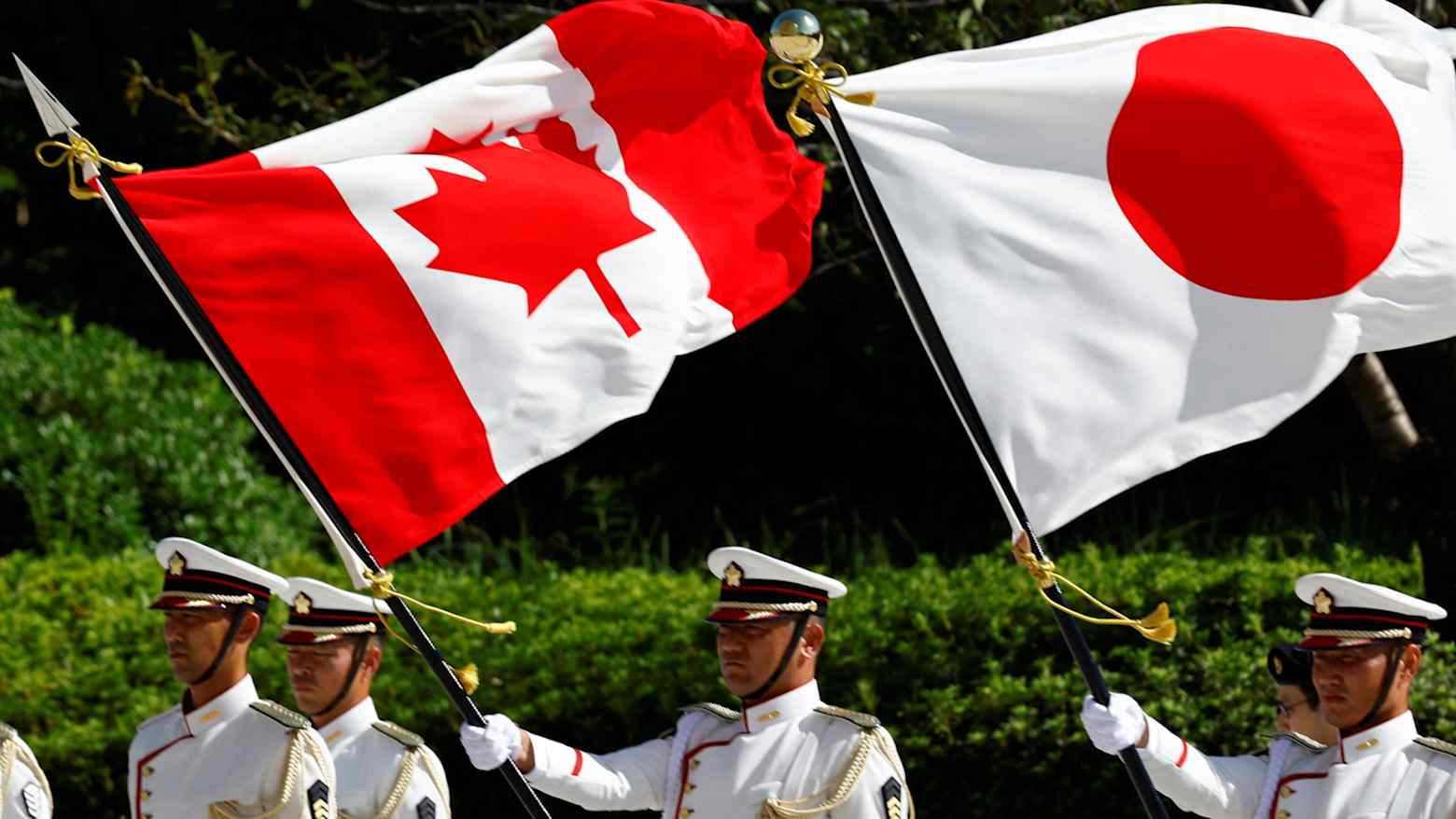
Canada is rapidly accelerating its military cooperation and intelligence exchanges with Japan. According to an interview by Nikkei Asia, Canadian defense officials are increasing their maritime footprint within East Asian waters. This structural shift forms part of Ottawa’s broader strategic pivot toward the Indo-Pacific arena. Consequently, both democratic nations are standardizing their joint naval operations to address growing security anxieties. This bilateral movement creates a more integrated framework for tracking advanced underwater and aerial maneuvers across deep Pacific corridors.
Calling for Strategic Discipline Toward Regional Powers
The expansion of Western defense capabilities is accompanied by explicit institutional warnings regarding regional escalation. Specifically, Canada’s top military leadership has called for strict operational discipline when encountering Chinese naval assets. Defense strategists argue that Western forces must remain firm without causing accidental confrontations during routine freedom of navigation transits. Therefore, the strategic emphasis balances robust deterrence with cold diplomacy. This approach aims to prevent sudden flashpoints while asserting international maritime rights within contested sea lanes.
The Strategic Importance of Global Shipping Corridors
The evolving Canada-Japan defense ties are directly linked to the long-term protection of global economic interests. For instance, the strategic stability of the Taiwan Strait and the South China Sea impacts daily transcultural supply chains. Moreover, any military blockade or disruption in these shipping corridors could trigger profound economic shocks for Western markets. As a result, maintaining open communication channels and visible deterrent postures is vital for global price stability. Western alliances view these active oceanic deployments as essential insurance for keeping maritime trade functional.
Integrating Middle Power Capabilities into Broader Alliances
This deepening bilateral relationship highlights the growing responsibility of middle powers in managing global security architectures. Traditionally, regional deterrence in East Asia has relied almost exclusively on the extensive military presence of the United States. However, nations like Canada are now stepping up to integrate their capabilities directly with frontline allies like Japan. Furthermore, this shifting dynamic aligns perfectly with broader goals championed by organizations like NATO and the G7. This collective defense model provides a more distributed buffer against unilateral territorial revisions.
Logistical Bottlenecks and Institutional Realities
Despite high diplomatic ambitions, Canada faces substantial logistical bottlenecks regarding sustained long-range military deployments. For example, operating advanced combat fleets thousands of miles from domestic naval bases strains maintenance pipelines and limits crew rotations. In addition, the Canadian military must balance its Indo-Pacific presence with its ongoing defense commitments in the Arctic and Eastern Europe. Therefore, translating high-level defense agreements into permanent, credible deterrence requires deep institutional reforms and significant funding increases.
International Relevance
The tightening of defense ties between Canada and Japan carries immense implications for global governance, international law, and the contemporary balance of power. By expanding its military presence in East Asia, Canada signals that Indo-Pacific stability is no longer just a regional issue, but a core component of transatlantic security architecture. Furthermore, the explicit focus on military discipline underscores the fragile nature of international crisis management when superpowers operate in close proximity. This collaboration sets a vital precedent for how middle powers can coordinate to defend the rules-based international order, protect vital trade chokepoints, and uphold maritime laws against unilateral assertions of sovereignty worldwide.
Reference: Nikkei Asia. (2026, June 25). Canada calls for discipline with China as it beefs up Japan defense ties. https://asia.nikkei.com/politics/international-relations/canada-calls-for-discipline-with-china-as-it-beefs-up-japan-defense-ties