
A Crucial Shift in the Political Landscape
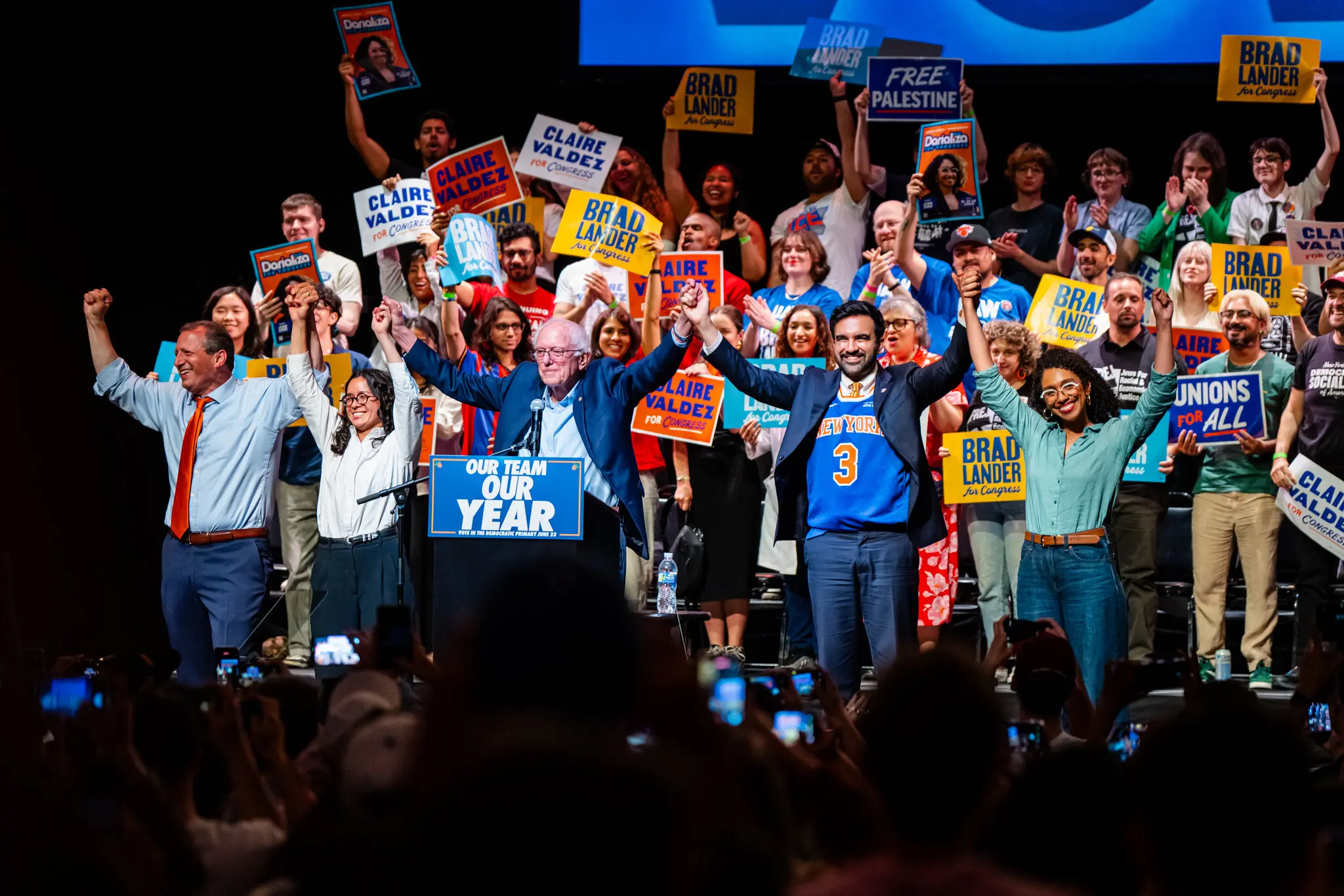
The progressive wing of the Democratic Party is navigating a complex and challenging electoral landscape. According to a detailed political report by The New York Times, shifting voter priorities are reshaping internal party dynamics. Specifically, prominent progressive candidates are encountering organized opposition from centrist factions and well-funded political action committees. Consequently, these unfolding contests highlight a critical institutional debate regarding the future direction and message of the party.
The Challenge of Local Electoral Battles
The primary point of contention centers on balancing national progressive ideals with immediate local concerns. For instance, in several high-profile municipal and state primaries, candidates are struggling to connect broad systemic platforms with daily voter anxieties. In addition, critics argue that an overemphasis on polarizing national issues can alienate moderate working-class communities. Therefore, progressive strategist groups are advising campaigns to adjust their communication frameworks to focus heavily on tangible economic benefits.
Navigating Campaign Finance and Institutional Barriers
Securing sufficient financial resources remains a substantial structural hurdle for grassroots progressive campaigns. For example, traditional corporate-backed donors frequently favor moderate candidates who support status quo economic policies. Furthermore, the immense influx of outside spending by political committees places immense pressure on localized fundraising networks. As a result, progressive operatives must rely heavily on small-dollar donations and extensive volunteer networks to maintain a competitive presence on the airwaves.
Demographic Realities and Coalitions
The changing dynamics also underscore the vital importance of building diverse, multi-generational voting coalitions. Traditionally, progressive platforms have drawn strong enthusiasm from younger voters and urban activist networks. However, maintaining high turnout among these specific demographics during non-presidential primary cycles presents a persistent operational challenge. Moreover, successful campaigns must bridge the gap between progressive ideology and the pragmatic expectations of long-standing minority voting blocs.
Future Strategic Trajectories
Despite these electoral headwinds, progressive leaders view these primary challenges as vital moments for ideological refinement. Policymakers emphasize that the core issues of economic equity, healthcare access, and climate action remain deeply popular with the broader electorate. However, translating that general ideological support into clear electoral victories requires superior campaign discipline and message adjustments. Therefore, the outcomes of these current primary battles will directly signal the progressive movement’s resilience and future national influence.
International Relevance
The internal political debate within the U.S. Democratic Party carries profound implications for global political movements and international policy trends. As the world’s largest economy navigates deep domestic ideological divides, the strategic victories or defeats of progressive factions directly shape the global discourse on economic inequality, climate governance, and social welfare models. Furthermore, the outcome of these internal party struggles determines the long-term predictability of American trade policies and international climate commitments. By showcasing the practical challenges of sustaining grassroots movements against institutional capital, these primary contests provide vital lessons for democratic parties and progressive organizations worldwide as they adapt to evolving voter expectations in a highly polarized era.
Reference: The New York Times. (2026, June 24). Democratic progressive primary candidates face steep hurdles. https://www.nytimes.com/2026/06/24/us/politics/democratic-progressive-primary-candidates-mamdani.html