
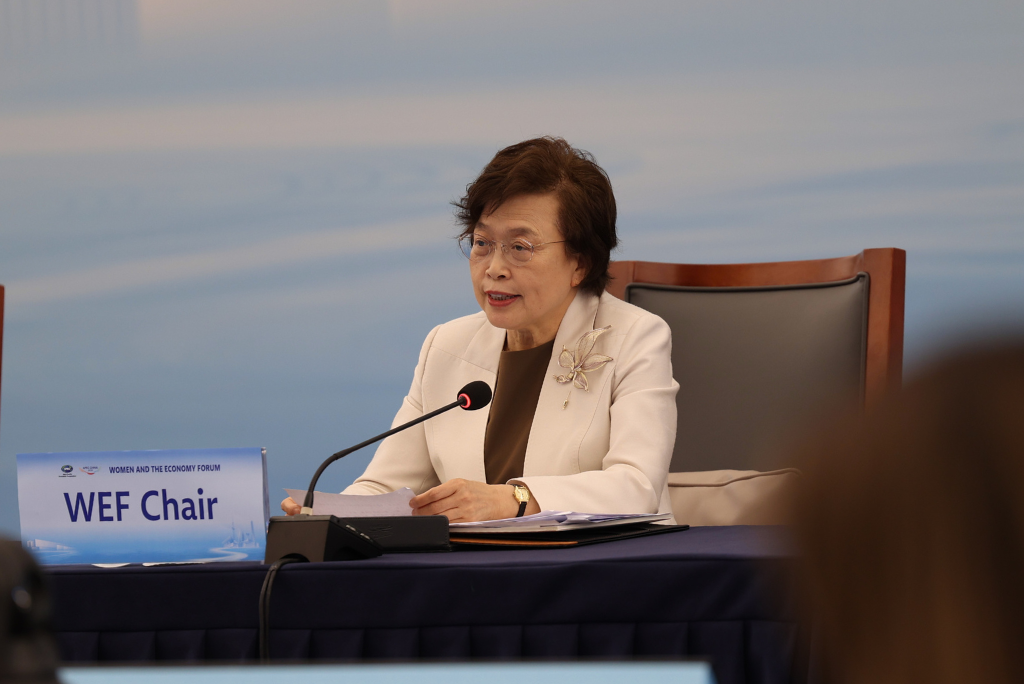
At the APEC 2026 Women and the Economy Forum in Shanghai, regional ministers mapped out a strategic framework focused on digital transformation, female leadership in the AI era, and the recognition of the care economy.
In a global landscape shaped by economic uncertainty and rapid technological advancements, the member economies of the Asia-Pacific Economic Cooperation (APEC) have voiced a unanimous message: sustainable and prosperous growth is impossible without the full, equitable, and active participation of women.
During the recent High-Level Policy Dialogue on Women and the Economy held in Shanghai, China, the Chair’s Statement was released. This document outlines the key commitments shared by ministers and delegates across the region under the guiding theme: “Advancing Women’s Economic Empowerment to Prosper Together in the Asia-Pacific.
Here is an analysis of the 5 strategic pillars defined during the forum to accelerate gender equality in today’s economy:
1. Leading the Digital Transformation and Artificial Intelligence
With the massive breakthrough of Artificial Intelligence (AI) and rapid digitalization, the gender gap in technological skills risks widening. The APEC statement urges member economies to guarantee the effective and meaningful participation of women and girls in the tech sector. The goal is clear: ensure that women are not just users, but leaders in designing and making decisions for the innovations shaping the future.
2. Inclusion in Decision-Making and Sustainable Development
Green growth and low-carbon development require a female perspective in leadership spheres. Ministers agreed on the urgency of promoting more women into management and governance positions, ensuring that the benefits derived from economic and technological modernization are distributed equitably.
3. Future-Proof Jobs, Work Flexibility, and Well-being
The ongoing transformation of labor markets requires adaptive policies. The forum emphasized the need to promote laws and initiatives that expand employment opportunities for women through:
- Flexible work arrangements.
- Support for new forms of employment emerging from the digital economy.
- Strategies that facilitate a healthy balance between work and family life.
4. Women’s Entrepreneurship and Global Value Chains
Micro, Small, and Medium Enterprises (MSMEs) led by women are vital drivers of economic resilience. The statement underscores the importance of breaking down barriers to financing, international markets, and capacity-building tools, helping women-owned businesses actively integrate into regional trade and global value chains.
5. Recognition of the Care Economy
One of the most crucial takeaways was the call to value family support infrastructure and quality care systems. APEC encourages economies to grant greater recognition to care work, both paid and unpaid, and to foster a balanced sharing of household responsibilities to reduce the disproportionate burden historically carried by women.
According to the forum’s leadership, the region’s ultimate goal is to turn gender equality into “a common value and a code of conduct” shared across the Asia-Pacific. Amid global tensions and technological transitions, equipping women with the necessary tools is the smartest strategy to secure stability and shared prosperity for tomorrow.
Reference
Asia-Pacific Economic Cooperation. (2026, May 17). Chair’s Statement on the APEC Women and the Economy Forum. https://www.apec.org/press/news-releases/2026/chair-s-statement-on-the-apec-women-and-the-economy-forum