
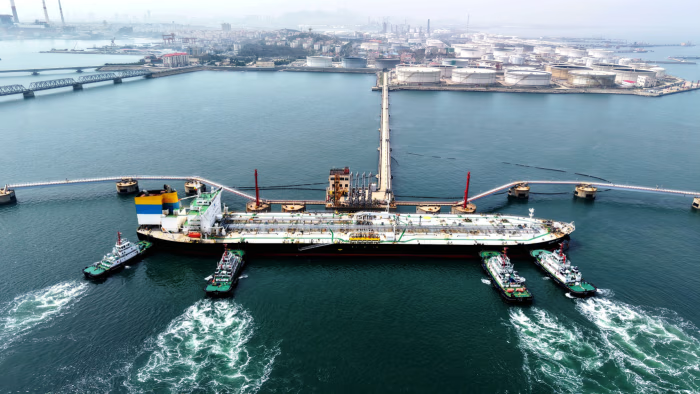
China Reduces Oil Imports
China’s sharp reduction in crude oil imports has helped stabilize global energy markets during the Iran war. According to The Wall Street Journal, Chinese crude imports fell from around 11 million barrels a day in recent years to 7.8 million barrels a day in May. This decline has reduced pressure on global oil supplies at a time when the Strait of Hormuz remains severely disrupted.
A Missing Three Million Barrels
The report highlights a major question in global energy markets: what happened to the three million barrels of oil that China would normally import each day. This missing volume is roughly equal to the combined daily oil consumption of France and Italy. Instead of creating visible disruption inside China, the reduction has been absorbed through lower oil demand, reduced refining activity and the use of existing reserves.
Reserves, Electric Vehicles and Rail Travel
Several factors explain China’s lower oil demand. Before the Iran war, Beijing had built large reserves by stockpiling cheaper Russian and Iranian oil. In addition, electric vehicles and high-speed rail have reduced the need for gasoline and short-haul flights. Chinese refiners have also cut operations, especially in petrochemical production, where crude oil is used to make materials such as plastics and industrial goods.
Risks for Manufacturing
The strategy may not be sustainable for long. The Wall Street Journal notes that China is beginning to face shortages of ethylene and other chemical feedstocks, which could raise manufacturing costs. If China needs to increase oil imports again, global prices could rise, especially while the Strait of Hormuz remains constrained. This means the current stability in oil markets may depend partly on how long Beijing can keep drawing on reserves and reducing industrial demand.
International Relevance
Overall, the report shows how China’s energy choices can affect the entire global economy. Lower Chinese oil imports have helped prevent a sharper rise in prices, even during a major Middle East crisis. For this reason, the issue matters internationally: China’s role as the world’s largest oil importer connects its domestic demand, strategic reserves, industrial activity and transportation shifts with inflation, energy security and global economic stability.
Reference: The Wall Street Journal. (2026, June 11). China is propping up the world economy by importing a lot less oil. https://www.wsj.com/business/energy-oil/china-is-propping-up-the-world-economy-by-importing-a-lot-less-oil-f12d7813