
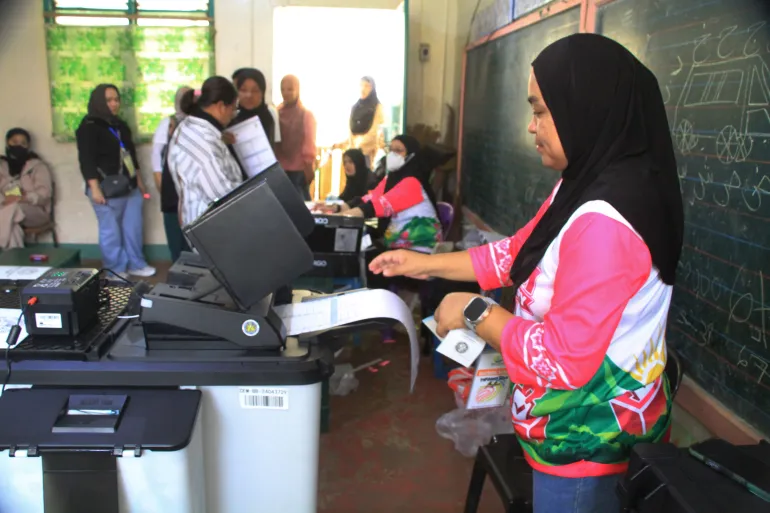
The first landmark parliamentary elections in an autonomous southern region ended in a hung parliament, as no single political party secured an absolute majority. Main rival political factions, which emerged from a historic peace movement, each captured roughly thirty percent of the available seats. Consequently, leadership figures from both major parties acknowledged that forming a governing coalition with smaller political groups is now unavoidable.
Despite minor shooting incidents and sporadic violence near polling stations, election authorities described the overall voting process as generally peaceful. Security forces remain deployed across key districts to maintain regional stability while official results are finalized. The peaceful political transition remains crucial for residents who previously endured decades of armed conflict and mass displacement.
Local communities hope that the new parliamentary government will prioritize regional economic recovery and fulfill long-awaited reconstruction promises. Many residents impacted by past conflicts continue to wait for government compensation to rebuild destroyed homes and infrastructure. Furthermore, political stability is considered essential to prevent former combatants from abandoning the peace process amid ongoing economic challenges.
In conclusion, while the historic elections mark a significant transition toward democratic governance, successful stability depends on rival factions forming a cohesive coalition to address lingering economic hardship and uphold peace promises.
Reference
Lo, B. (2026, September 15). Election in Philippines’ Bangsamoro region ends in hung parliament. Al Jazeera. https://www.aljazeera.com/news/2026/9/15/election-in-philippines-bangsamoro-region-ends-in-hung-parliament