
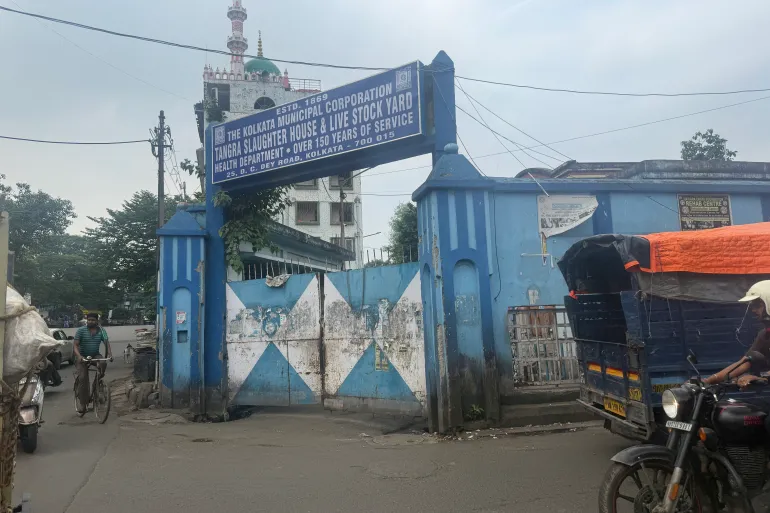
Political rhetoric around cattle protection and dietary choices has intensified significantly ahead of regional elections in an eastern state. Leaders from the national ruling party have mounted aggressive campaigns against cattle smuggling and beef consumption, framing the trade as a major threat to social harmony. Meanwhile, regional ruling figures defend local dietary diversity, accusing opposition politicians of exploiting religious sentiment for political polarization.
The political focus on beef restrictions heavily impacts marginalized communities, including minority populations and low-income workers dependent on the leather and meat industries. Right-wing vigilante groups have increasingly intercepted cattle transport trucks, sparking tensions and sporadic violence along trade corridors. Small business owners report facing growing harassment, operational disruptions, and severe economic losses due to heightened ideological polarization.
Critics argue that framing dietary habits as major social threats serves primarily as a strategy to mobilize voters along religious lines. Regional civil society groups emphasize that cattle trade remains essential for rural livelihoods, agricultural logistics, and local culinary traditions. Despite mounting opposition from local communities, campaign rhetoric around cultural protection continues to dominate the regional political discourse.
In conclusion, while national political figures use anti-beef campaigns to consolidate conservative support, the escalating rhetoric deepens social polarization and threatens traditional livelihoods across the state.
Reference
Arshia. (2026, September 15). ‘More dangerous than drugs’: BJP’s war on beef in India’s West Bengal. Al Jazeera. https://www.aljazeera.com/features/2026/9/15/bjp-effect-beef-is-vanishing-from-indian-bengal-forcing-diet-changes