
Electronic Waste and Strategic Competition
Electronic waste has become an important issue in the strategic rivalry between the United States and China. Rare earth elements are essential for technologies such as electric vehicles, wind turbines, smartphones, data centers, radar systems, missiles and fighter jets. Therefore, control over these minerals is not only an economic advantage. It is also a key factor for national security and technological independence.
China’s Control of Rare Earths
According to Chatham House, the United States remains highly dependent on China for rare earth minerals and permanent magnets. This vulnerability became clear in 2025, when Beijing imposed export controls on several rare earth elements and related magnets. Although a temporary trade truce was later reached between Donald Trump and Xi Jinping, the structural problem was not solved. Instead, it was only postponed.
China continues to dominate the most important parts of the rare earth supply chain. In particular, it has strong control over processing, separation and magnet manufacturing. As a result, the United States remains exposed to possible trade restrictions and supply disruptions in strategic sectors.
Electronic Waste as a Domestic Alternative
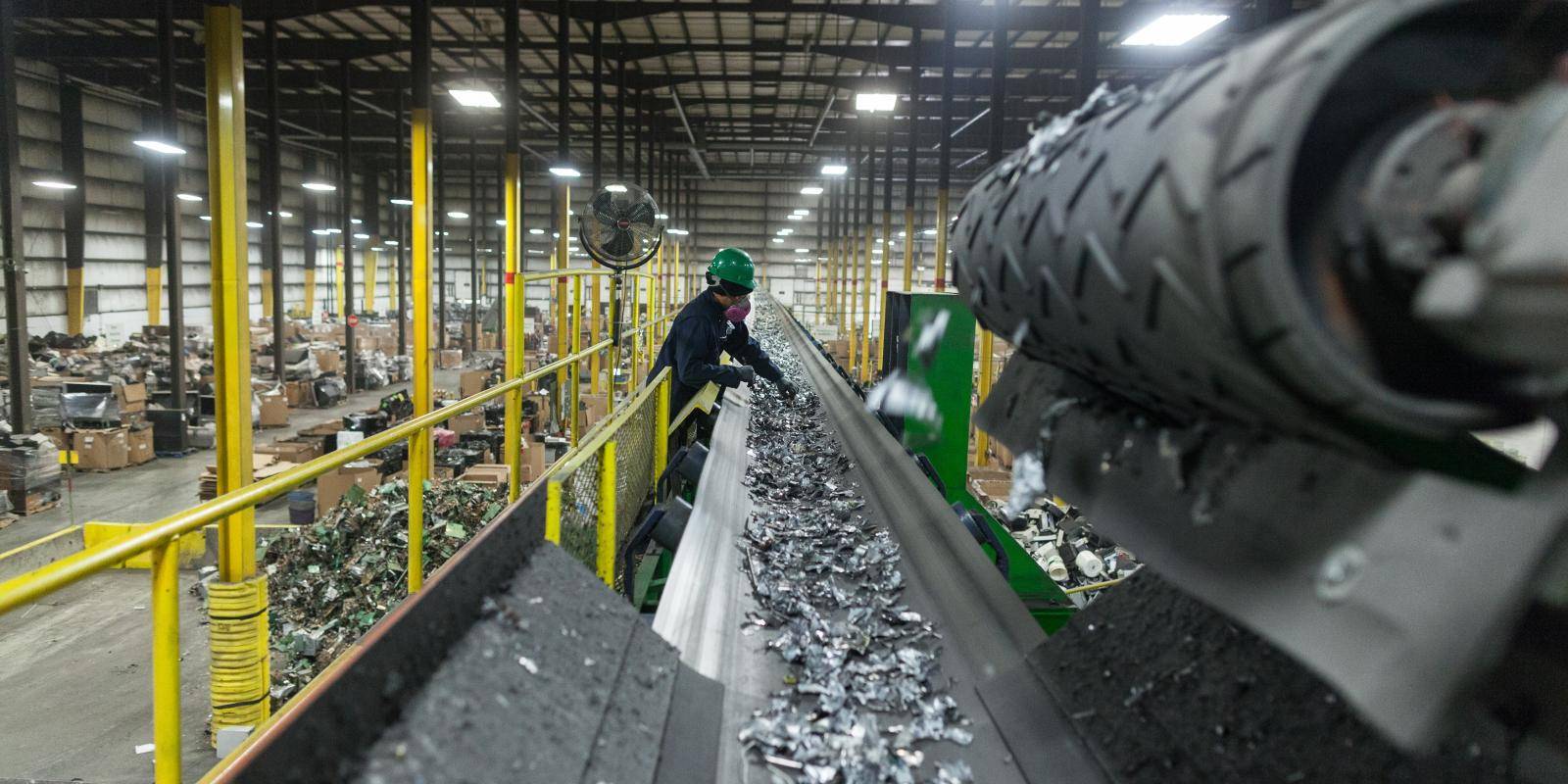
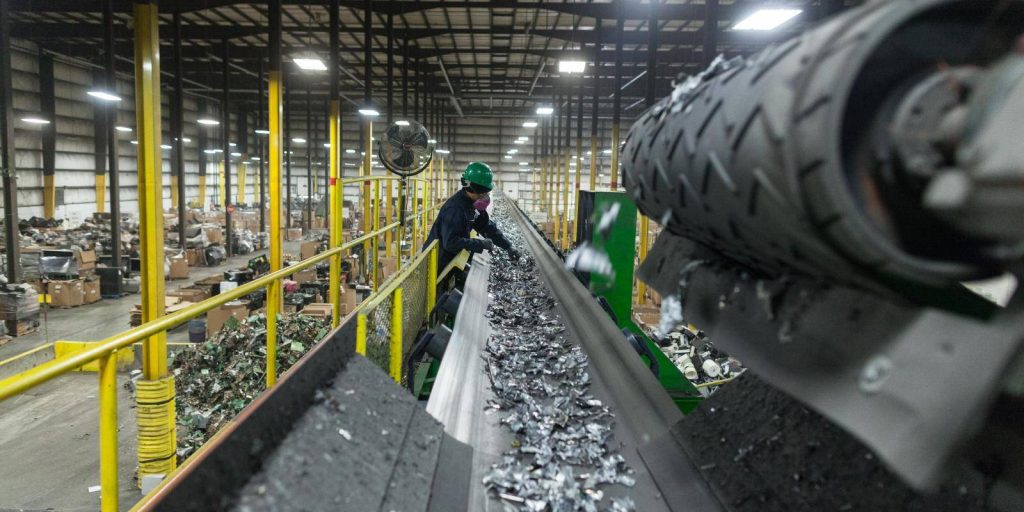
However, Chatham House argues that the United States has an underused domestic alternative: electronic waste. Discarded devices such as hard drives, motors and electronic components contain neodymium magnets and other valuable materials. These resources could be recovered, recycled and reintegrated into the national economy.
In 2022, the United States generated around 7.2 million tons of electronic waste. Yet much of this material ended up in landfills or was exported abroad. As a result, strategic resources were lost instead of being reused inside the country.
Why Recycling Matters
In this context, recycling electronic waste could become more than an environmental solution. It could also serve as an industrial and geopolitical strategy. By recovering critical minerals from domestic waste, the United States could reduce part of its dependence on China. In addition, it could strengthen supply chains and support a more circular economy.
International Relevance
Overall, Chatham House’s analysis shows that technological security no longer depends only on innovation or industrial capacity. It also depends on stable access to critical minerals. For this reason, electronic waste could become a strategic resource for the United States.
In a context of growing geopolitical rivalry, recovering rare earth materials from domestic waste may help Washington build more resilient supply chains. At the same time, it could reduce risks linked to China’s dominance in critical minerals.
Reference: Chatham House. (2026, May 14). Rare earths are on Trump’s agenda in China. But US electronic waste offers an untapped source at home. https://www.chathamhouse.org/2026/05/rare-earths-are-trumps-agenda-china-us-electronic-waste-offers-untapped-source-home