
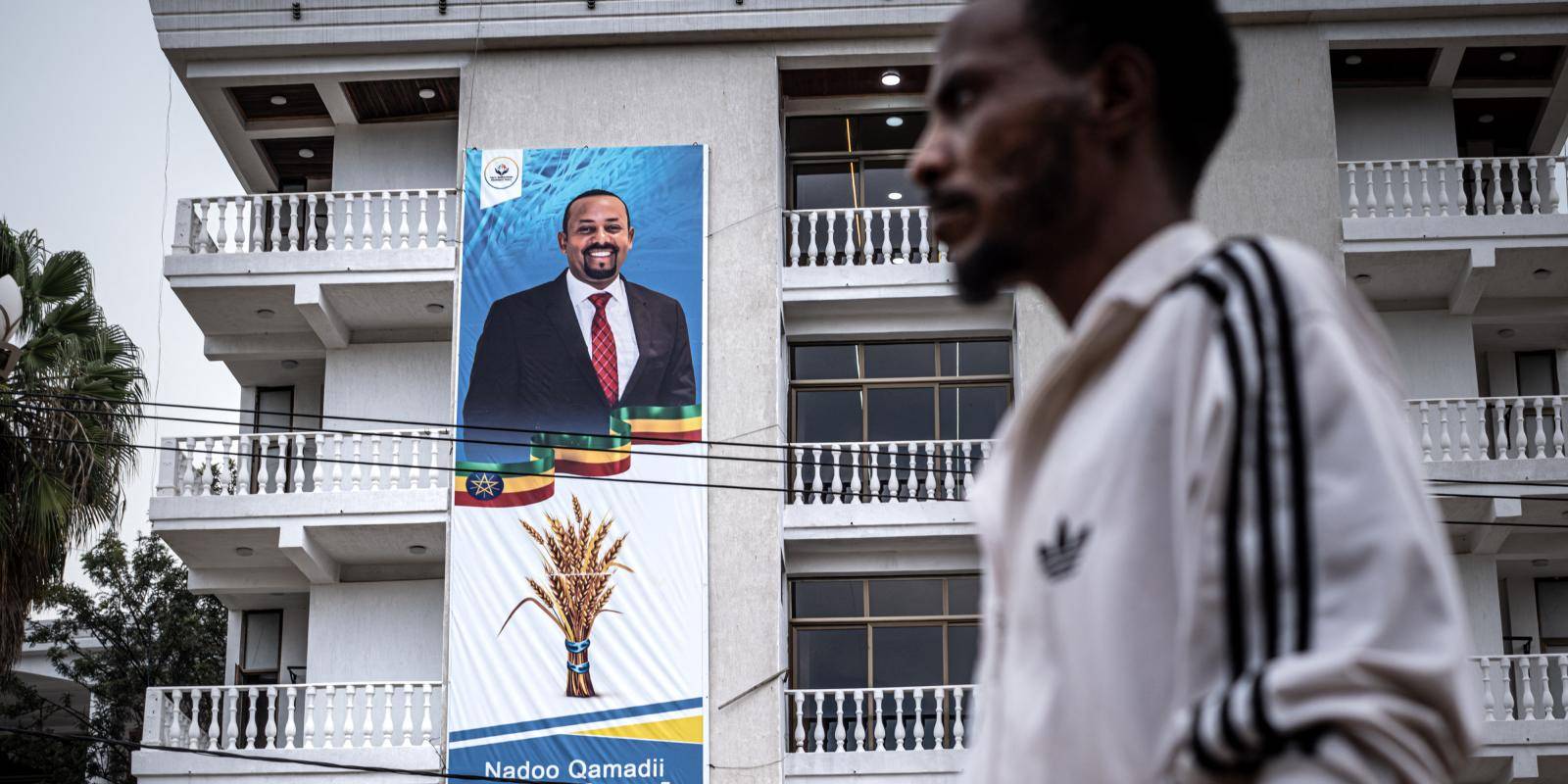
Ethiopia’s elections are unfolding in a context of deep internal fragmentation and growing regional instability, making political competition far less about choice than about managing conflict. Prime Minister Abiy Ahmed is expected to secure a strong victory through his Prosperity Party, yet the vote takes place amid unresolved violence in regions such as Tigray, Amhara and Oromia, where armed groups and weak political inclusion continue to challenge federal authority. The election therefore functions less as a moment of democratic consolidation and more as a mechanism to reaffirm state control under highly constrained conditions.
Behind the electoral process lies a fragmented political landscape in which opposition parties are weakened, excluded, or absent, and in some cases replaced by armed resistance movements. The lack of meaningful political pluralism limits voter choice and reinforces perceptions that elections serve elite bargaining rather than open competition. This dynamic is intensified by the exclusion or disengagement of actors in conflict-affected regions, particularly in Tigray, where the post-war settlement remains fragile and increasingly contested.
Tensions in Tigray illustrate how fragile the broader political settlement remains. The 2022 Pretoria Agreement, which ended the civil war, has been increasingly strained by disputes over regional authority and the legitimacy of transitional administrations. Recent moves by the Tigray People’s Liberation Front to reassert control over regional institutions have deepened mistrust between local and federal authorities, raising concerns about a possible return to armed confrontation.
At the same time, violence in Amhara and insurgent activity in Oromia continue to destabilize large parts of the country. Armed groups challenge federal authority while also shaping local perceptions of legitimacy and protection. These overlapping conflicts make it difficult for the state to guarantee security during the electoral process and weaken confidence in the long-term stability of political institutions.
The internal crisis is closely tied to regional dynamics. Ethiopia’s strained relations with Eritrea and Sudan add another layer of risk, as alliances and rivalries across the Horn of Africa intersect with domestic conflicts. Shifting regional alignments increase the possibility that local disputes could escalate beyond national borders, turning internal instability into broader geopolitical confrontation.
Ultimately, the elections do not resolve the underlying tensions shaping Ethiopian politics. Instead, they highlight the gap between formal democratic procedures and the reality of fragmented authority, armed contestation, and unresolved regional grievances. Without progress on both internal reconciliation and regional diplomacy, electoral processes risk reinforcing instability rather than producing genuine political resolution.
Reference: Soliman, A. & Abate Demissie, A. (2026, May 28). Ethiopia needs more election calm amid internal and regional conflict. https://www.chathamhouse.org/2026/05/ethiopia-needs-more-election-calm-internal-and-regional-conflict