
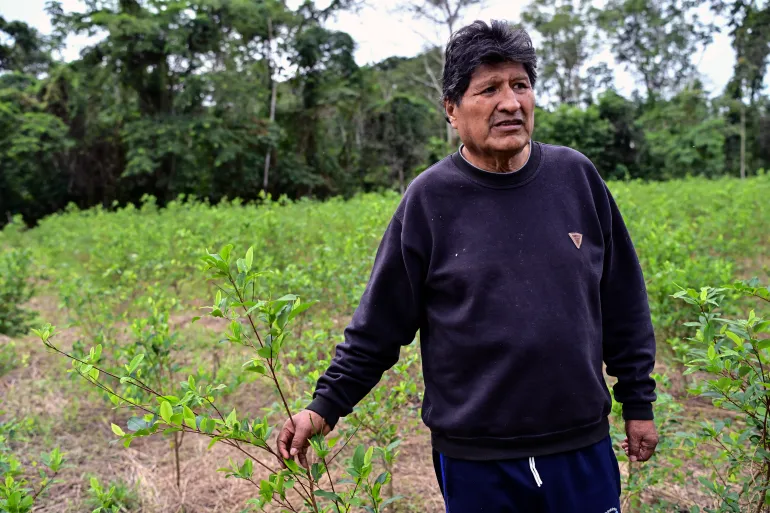
Political tensions in Bolivia surged following the issuance of a new Evo Morales arrest warrant, prompting strong defiance from the former president and his supporters. Reporting from Al Jazeera indicates that judicial authorities issued the warrant over ongoing legal charges, which Morales dismisses as politically motivated persecution by the current administration. Consequently, indigenous groups and social movements loyal to the former leader have organized blockades and rallies across major transit corridors.
Political Confrontation and Legal Allegations
The latest judicial directive represents a sharp escalation in the long-standing feud within Bolivia’s ruling political coalition. Prosecutors contend that the legal proceedings follow standard constitutional procedures regarding criminal allegations.
“These judicial measures represent a clear attempt to eliminate political competition and suppress indigenous social movements,” stated Morales supporters during public demonstrations.
Specifically, the political rift between Morales and current government leadership has fractured the country’s left-wing political base ahead of upcoming electoral cycles.
Social Mobilization and Economic Disruption
Furthermore, supporter-led road blockades threaten key agricultural supply chains, creating fuel and food distribution bottlenecks across urban centers. Business associations and civil society groups have voiced growing concern over the economic fallout from prolonged civil unrest.
Therefore, resolving the judicial standoff through transparent legal mechanisms remains critical for preserving national stability. Moving forward, the political confrontation will shape Bolivia’s democratic governance and judicial credibility.
Al Jazeera. (2026, July 30). Evo Morales defiant after new Bolivia arrest warrant. Al Jazeera Media Network. https://www.aljazeera.com/news/2026/7/30/evo-morales-defiant-after-new-bolivia-arrest-warrant