
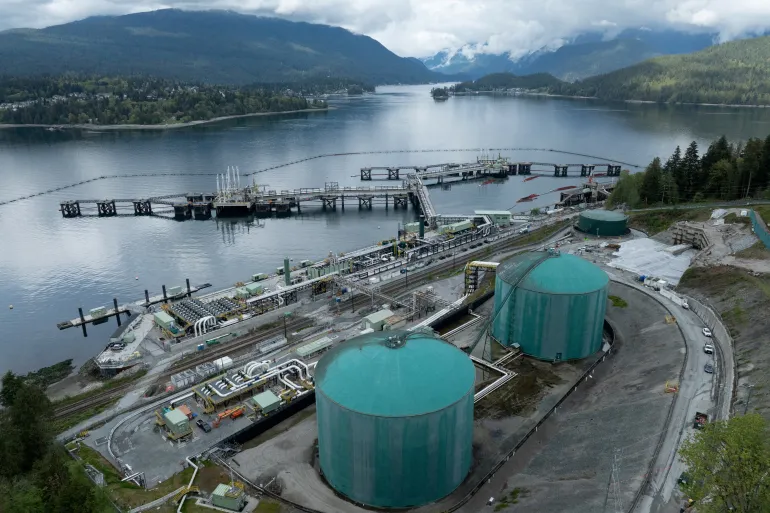
As geopolitical conflict in the Middle East severely restricts energy transit through the Strait of Hormuz, rising Japan Canadian crude oil shipments reflect urgent regional diversification efforts across Asian energy markets. According to reporting by Al Jazeera, Japanese refiner Eneos secured a major oil cargo chartered via Exxon Mobil from Canada’s Trans Mountain pipeline expansion (TMX) terminal in Vancouver. Consequently, Asian economies are turning to North American energy suppliers to stabilize domestic fuel stocks and offset rising import costs.
Chokepoint Disruption and TMX Market Expansion
Historically, Japan imported over 90 percent of its crude oil requirements through the Middle East maritime corridor. However, persistent transit risks forced Japanese policymakers to revise national growth projections downward while securing alternative supply lines.
“Asian buyers are aggressively reallocating capital toward Canadian heavy crude as Middle Eastern supply guarantees diminish,” noted international energy trade analysts.
Specifically, exports via TMX to Asian destinations reached nearly 77 percent of Vancouver’s total oil shipments this year.
Trade Relations and Refining Adaptations
Furthermore, Canadian leadership affirmed that energy exports remain reliable commodities rather than geopolitical bargaining chips during ongoing tariff discussions. Although adapting Japanese refining infrastructure to process heavier Canadian crude grades presents technical challenges, long-term supply stability outweighs temporary operational costs.
Therefore, establishing multi-regional supply agreements remains essential for securing national energy security. Moving forward, Canadian pipeline infrastructure will play a pivotal role in supplying Pacific Rim energy markets.
Al Jazeera. (2026, July 30). Japan turns to Canadian crude as Asia feels Hormuz supply pinch. Al Jazeera Media Network. https://www.aljazeera.com/news/2026/7/30/japan-turns-to-canadian-crude-as-asia-feels-hormuz-supply-pinch