
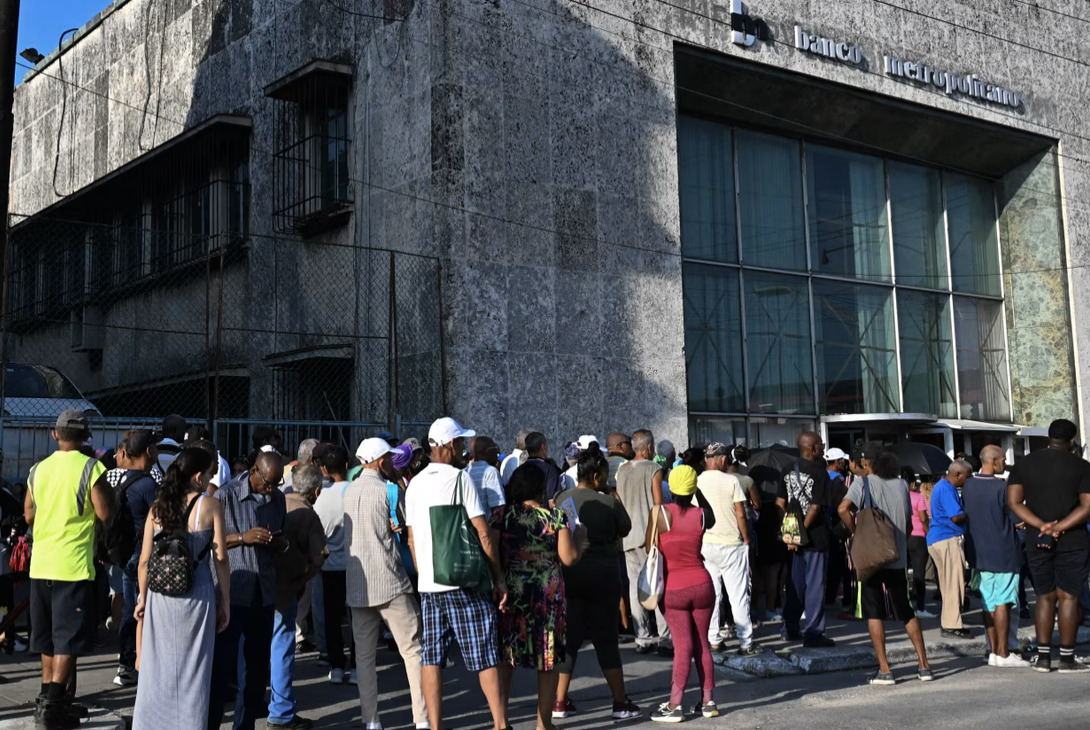
International businesses are rapidly abandoning Cuba, delivering a devastating blow to the island’s already collapsing economy. Driven by a combination of severe domestic crises and intensifying pressure from the Trump administration, major corporations are pulling out across multiple sectors. Cuba’s central bank announced that Mastercard and Visa transactions by non-U.S. foreign visitors will be suspended, while Spanish hotel giants Iberostar and Meliá are surrendering the management of over two dozen hotels combined. The exodus also includes major airlines canceling flights due to jet-fuel shortages and Canadian operator Royalton Hotels & Resorts ceasing operations entirely.
The Corporate Exodus and Economic Collapse
The departure of these foreign corporations removes a critical source of hard currency and business expertise for the communist state. One of the most significant potential exits is Sherritt International, a Canadian mining company that has extracted tens of thousands of tons of nickel and cobalt from eastern Cuba for decades. Facing extreme uncertainty, Sherritt has suspended operations and is attempting to dissolve its joint ventures.
These corporate retreats are accelerating alongside a broader economic unraveling. Following a U.S. oil blockade triggered by the capture of Venezuelan leader Nicolás Maduro, Cuba is suffering from severe fuel shortages, curtailed public transportation, and hours-long blackouts. The Cuban peso has plummeted to roughly 620 to the dollar on the informal market, sparking widespread citizen protests and driving hundreds of thousands to flee the island.
U.S. Sanctions and Strategic Pressure
The primary catalyst for this sudden corporate retreat is Washington’s intensified sanctions campaign designed to extract political and economic concessions from Havana. In May, President Trump signed an aggressive executive order directly targeting GAESA, Cuba’s military-owned conglomerate, which controls an estimated 40% of the national economy. This includes many of the hotels operated through partnerships with the departing foreign chains.
The sanctions also specifically targeted Moa Nickel, the joint venture between Sherritt and Cuba’s state-owned nickel company. By threatening secondary sanctions, the U.S. executive order effectively forces foreign investors into an impossible choice: either sever ties with entities tied to Cuba’s military and intelligence services or face crippling financial penalties themselves. As these companies leave, they create a massive economic void that few international investors are currently willing to fill.
Reference
Dubé, R., Coletta, A., & Acosta, D. (2026, junio 6). Foreign businesses are fleeing Cuba as its economy collapses. The Wall Street Journal. https://www.wsj.com/world/americas/foreign-businesses-are-fleeing-cuba-as-its-economy-collapses-f9b369bf