
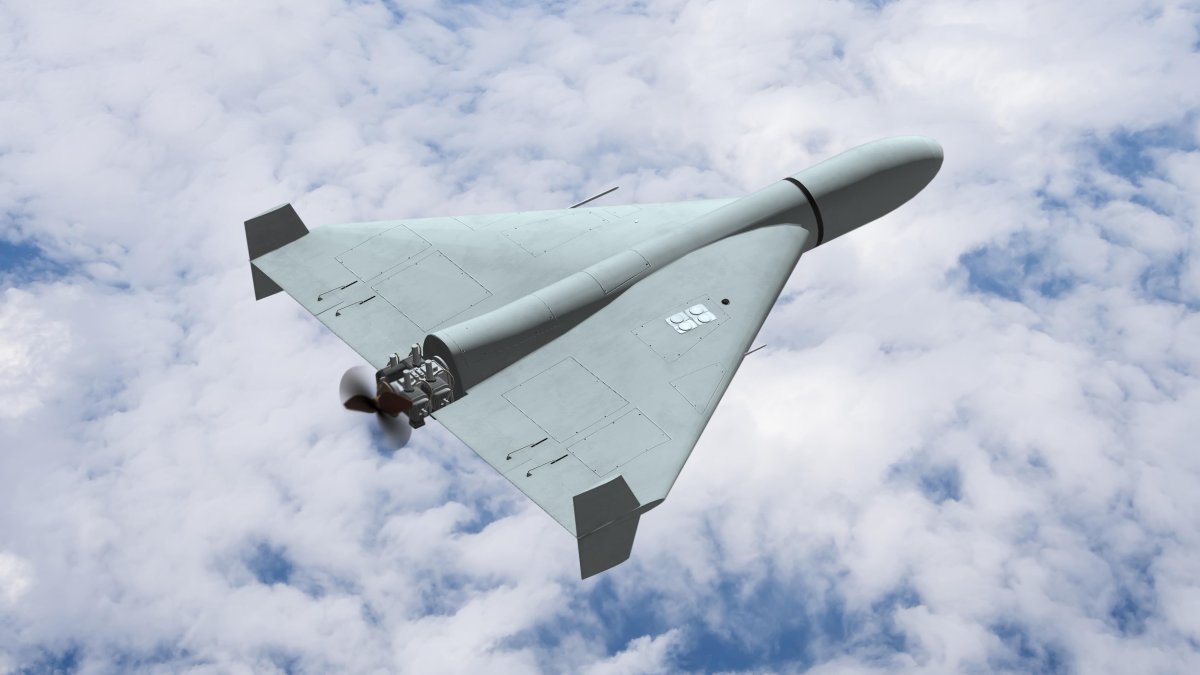
A major defense study reveals how rapid technical adaptation transformed simple long-range attack drones into continuously evolving weapon platforms. Domestic manufacturing facilities modified imported designs to reduce reliance on foreign supply chains and lower production costs. Combat feedback directly drove frequent engineering iterations, resulting in multiple parallel production models with distinct operational features.
Engineering teams continuously updated the drones’ navigation, communications, airframes, and payloads to bypass enemy electronic warfare systems. Simple field modifications, such as stealth coatings or external cellular modems, were quickly tested and integrated into standard factory assembly. Advanced multi-antenna satellite receivers and alternative propulsion options were gradually introduced to increase guidance accuracy and resilience.
This dynamic development model highlights a broader strategic shift in modern industrial warfare toward continuous, iterative weapon modification. Production flexibility and short design cycles now matter more than static, highly sophisticated technological designs. Consequently, foreign defense establishments face challenges in adapting their traditional procurement systems to match such rapid wartime adaptation.
In conclusion, the strategic evolution of these attack drones demonstrates that modern military advantage relies heavily on rapid industrial iteration and continuous battlefield adaptation.
Reference
Bondar, K., & Errera, N. (2026, September 4). From Shahed to Geran: How Russia Continues to Reinvent the One-Way Attack Drone. CSIS; Center for Strategic and International Studies. https://www.csis.org/analysis/shahed-geran-how-russia-continues-reinvent-one-way-attack-drone