
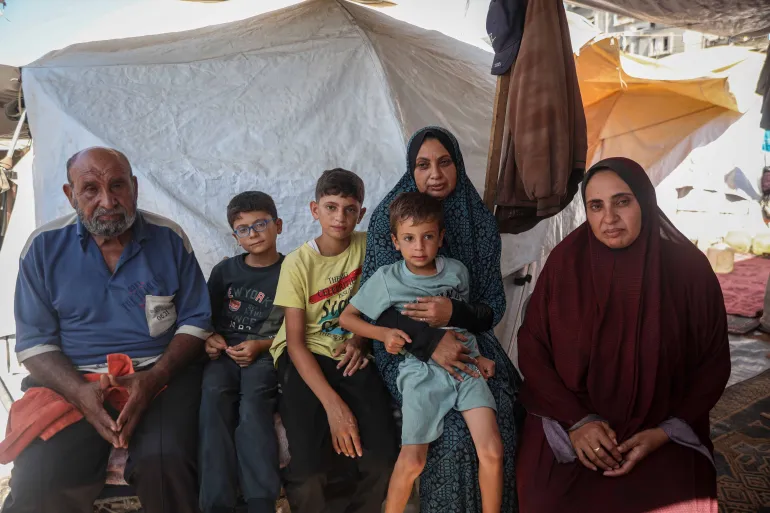
Displaced families across the region face severe difficulties in securing daily food due to erratic humanitarian assistance and extreme inflation. Community kitchens, which provide a primary lifeline for impoverished residents, have seen their daily meal outputs drop by more than half. Funding shortfalls and skyrocketing operational costs have forced many charitable kitchens to close or reduce their schedules to a few days per week.
Displaced guardians caring for orphaned children must constantly stretch insufficient food portions to feed large households. Without regular sources of income, many families rely entirely on unpredictable aid parcels consisting mainly of processed canned goods. Fresh items such as vegetables, fruits, and meat have become unaffordable luxuries for the vast majority of local households.
The lack of nutritional diversity is taking a heavy toll on the physical health of young children and vulnerable residents. Medical professionals note that diets high in sodium and missing essential nutrients are causing kidney issues and other chronic health complications. Adults frequently skip meals altogether to ensure that children consume whatever limited food is available.
In conclusion, while charitable relief prevents immediate starvation, severe food insecurity and reliance on canned goods are creating a secondary health crisis among displaced families.
Reference
Maram Humaid. (2026, September 6). Seven mouths, one meal: Feeding a family through Gaza’s food crisis. Al Jazeera. https://www.aljazeera.com/features/2026/9/6/seven-mouths-one-meal-feeding-a-family-through-gazas-food-crisis