
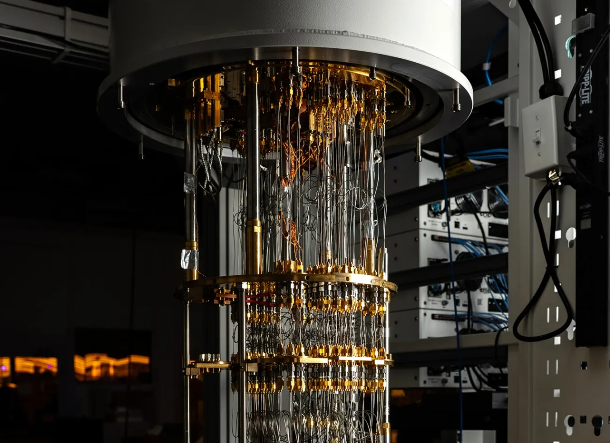
Wall Street’s exploration of quantum computing has shifted from expectations of rapid disruption to a long-term strategic bet, as progress has revealed a wide gap between ambition and current capabilities. About three years ago, Goldman Sachs formed a dedicated quantum research team and partnered with Amazon, but internal analysis indicated that solving a key portfolio optimization problem might demand “millions of years of computation” and hardware with at least “8 million logical qubits,” compared with today’s machines that offer fewer than 100 qubits. This sobering reality, combined with broader cost-cutting, prompted Goldman to dismantle its quantum unit and scale back its efforts in the field.
By contrast, JPMorgan Chase has doubled down, assembling more than 50 specialists to work on quantum applications in optimization, machine learning, and cryptography, accepting near-term uncertainty in exchange for a potential future competitive edge. The bank reports incremental gains, such as using Quantinuum’s Helios processor to enhance data processing and collaborating with Amazon on algorithms that help identify uncorrelated assets to strengthen diversification and risk management.
Other financial institutions maintain exploratory programs: UBS has trained roughly 50 quantitative analysts, BBVA applies quantum methods to portfolio optimization, and Credit Agricole focuses on predicting credit downgrades. HSBC has even reported up to a 34% improvement in certain bond-trading forecasts using IBM quantum hardware, although these results rely on relatively small datasets, highlighting both the promise and the constraints of current systems.
The technological center remains with firms like Google, IBM, and Rigetti Computing, which are building the underlying hardware and software that banks may eventually depend upon. Quantum-related stocks surged in 2024 before cooling as timelines lengthened and investor attention shifted back to artificial intelligence, reflecting a reassessment of how soon meaningful commercial impact might arrive. Even the most optimistic participants now frame quantum progress in multi-year horizons, yet financial institutions continue selective engagement to preserve a potential strategic advantage as the technology gradually matures.
Reference
Nguyen, K. P. (2026, April 27). Goldman pulls back after 8 million qubit reality check, JPMorgan presses on. Yahoo Finance. https://finance.yahoo.com/sectors/technology/articles/goldman-pulls-back-8-million-185000531.html