
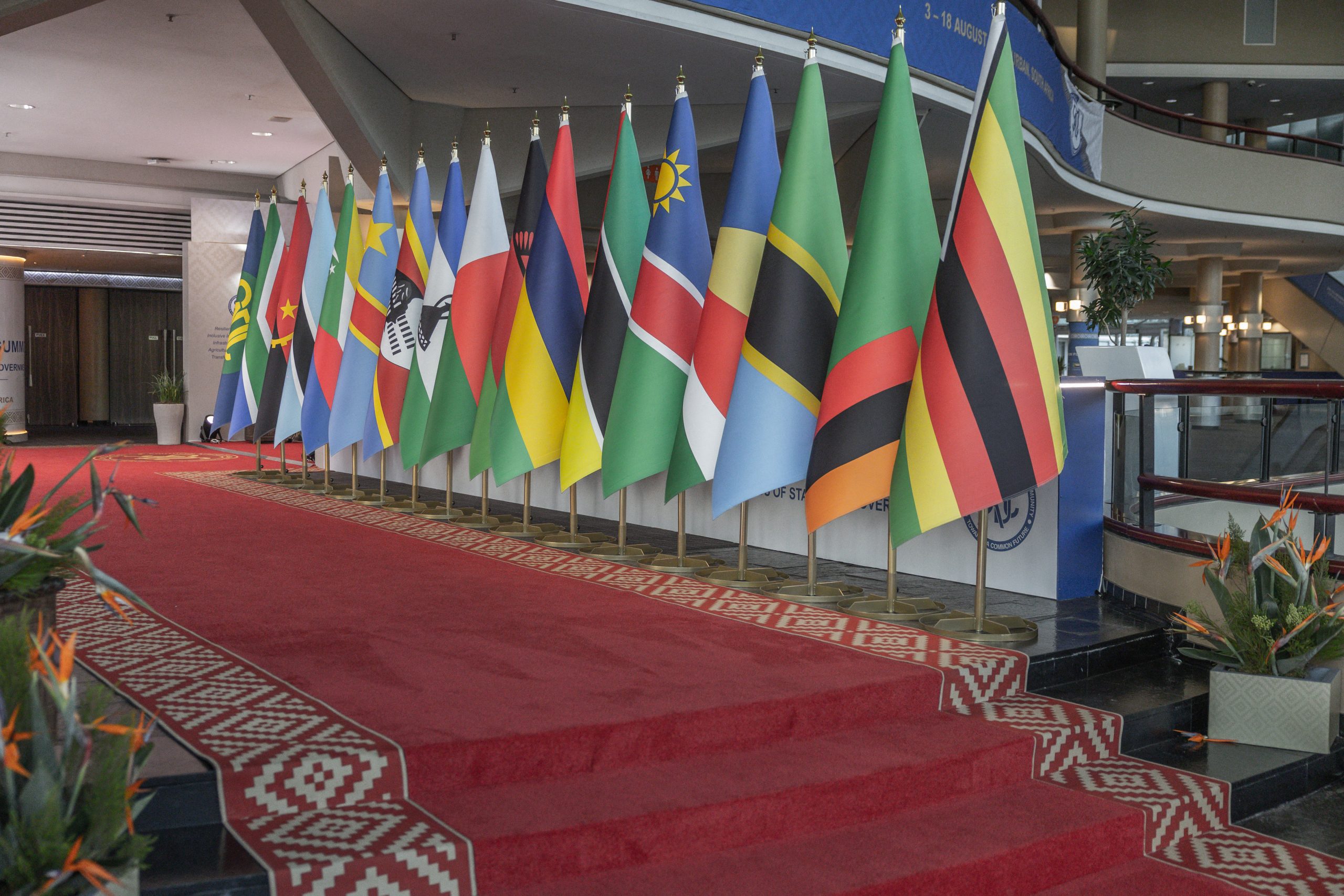
The debate surrounding global governance highlights the evolving role of the Global South. Specifically, it focuses on how African nations navigate a fractured international order. Ahead of the 79th United Nations General Assembly (UNGA), African leaders face complex geopolitical dynamics.
African diplomacy has shifted from passive participation to active agenda-setting across international forums. For instance, continental institutions continue to demand structural reforms within the UN Security Council. Furthermore, African nations actively champion climate finance frameworks and sovereign debt restructuring.
However, an analysis by Aloysius Uche Ordu for the Brookings Institution shows that multilateral gridlock complicates these continental priorities. Instead of relying on traditional consensus, African diplomacy must navigate escalating rivalry among global powers.
Strategic Priorities and Multilateral Obstacles
African leaders use high-level diplomatic forums to advance targeted regional objectives. In this context, continental strategy focuses on expanding representation while addressing economic vulnerabilities. Consequently, African statecraft targets systemic inequities in global governance.
Under current geopolitical tensions, African agenda-setting faces three major structural challenges:
- Governance Reform: African nations demand permanent seats on the UN Security Council. Therefore, achieving institutional equity remains central to continental multilateral strategy.
- Financial Architecture: Debt distress limits economic growth across developing nations. As a result, African leaders push for comprehensive reform of international financial institutions.
- Climate Finance: The continent bears severe climate impacts despite low emissions. Consequently, securing predictable climate adaptation funding remains a non-negotiable diplomatic priority.
Implications for Global International Relations
Therefore, international institutions must adapt to African strategic agency. Instead of viewing the continent as a passive bloc, major powers must engage African nations as equal diplomatic partners. For example, the inclusion of the African Union in global decision-making bodies reflects this shifting balance.
In addition, maintaining coalition unity remains essential for African diplomatic success. For instance, aligned positions strengthen bargaining power during complex multilateral negotiations. Furthermore, continental leadership must continue bridging divisions between competing global powers.
As a result, the future of effective multilateralism depends on integrating African priorities into core global governance frameworks.
Reference
Ordu, A. U. (2026, August 31). UNGA 2026: How Africa is setting agendas amidst strained multilateral consensus. Brookings Institution. https://www.brookings.edu/articles/unga-2026-how-africa-is-setting-agendas-amidst-strained-multilateral-consensus/