
Brookings. Commentary Podcast
The Brookings podcast How Long Will China’s Real Estate Crisis Last? analyzes the scale, causes, and implications of the ongoing China real estate crisis duration.
The discussion highlights how the real estate sector—representing nearly one-third of China’s economic demand and a dominant share of household wealth—has entered a prolonged adjustment with significant domestic and global consequences.
Structural drivers of the China real estate crisis duration
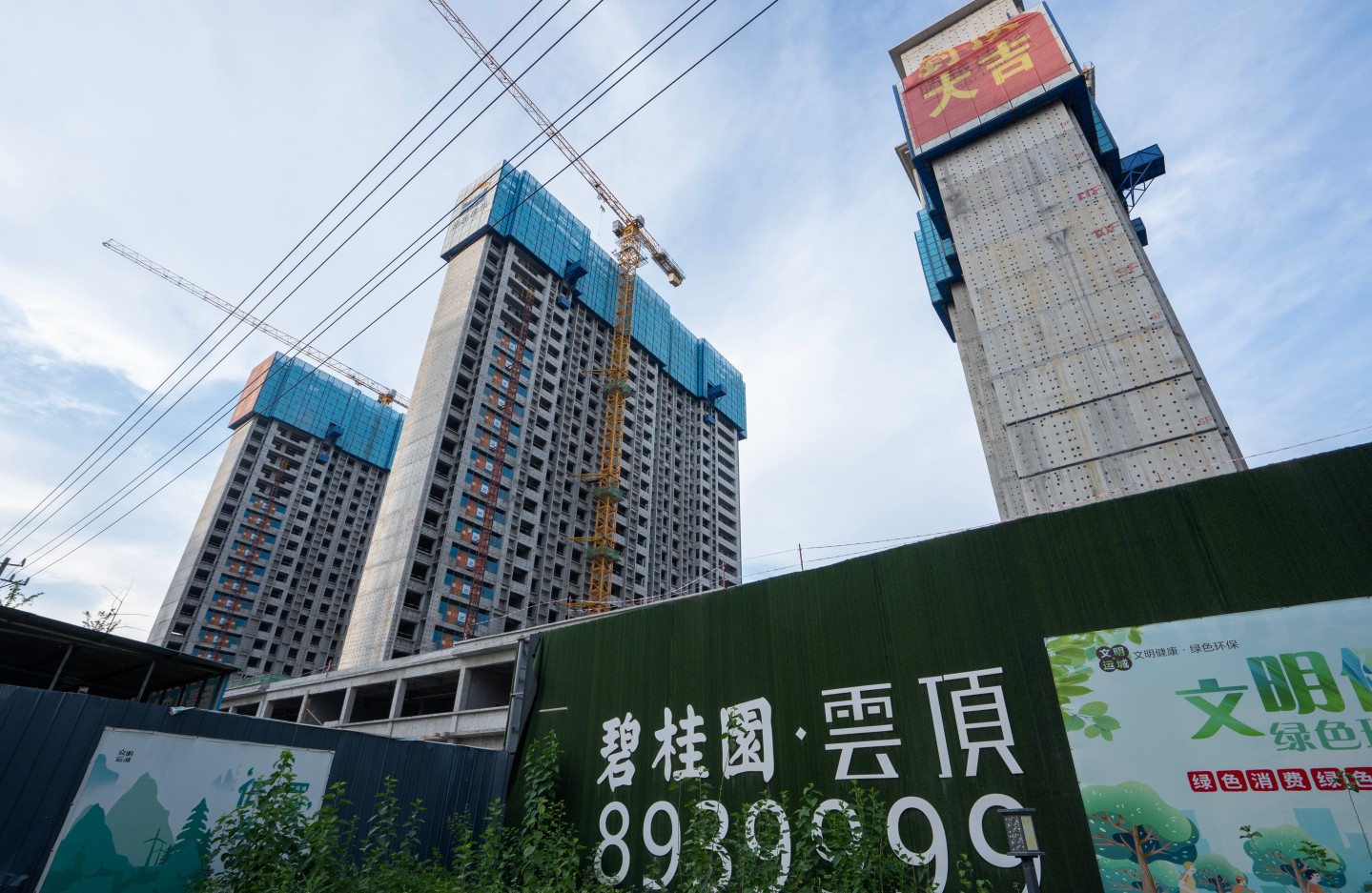
The China real estate crisis is rooted in a prolonged period of overbuilding and overinvestment. Real estate and infrastructure became central to China’s growth model, leading to housing supply levels comparable to advanced economies despite lower income levels.
This imbalance reflects diminishing returns from excessive investment. While financial factors matter, the discussion emphasizes that physical overbuilding is the fundamental trigger of the downturn.
The comparison with Japan’s 1990s real estate collapse suggests that such crises can persist for a decade or more, indicating that China’s adjustment may still be far from complete.
Wealth effects and uneven regional impacts
A key feature shaping the China real estate crisis duration is the role of housing in household wealth. Chinese households allocate around 70% of their assets to real estate, making price declines particularly impactful.
As housing prices fall, households reduce consumption due to perceived wealth losses, amplifying the economic slowdown. In addition, sentiment effects further intensify this response, with negative expectations reinforcing reduced spending.
The crisis is also geographically uneven. Smaller “tier three” cities, which experienced significant overbuilding and population outflows, face deeper and more persistent declines compared to major urban centers.
Policy constraints and global implications
Policy responses have focused on stabilizing local government debt and supporting financial conditions. However, structural challenges remain, particularly the difficulty of shifting China’s growth model toward consumption.
The China real estate crisis also has global implications. The sector’s slowdown reduces demand for construction-related imports and contributes to a decline in global investment.
Given China’s size, these effects extend beyond domestic markets, influencing global trade balances and economic activity.
Conclusion
The discussion suggests that the China real estate crisis duration is likely to be prolonged, shaped by structural imbalances and slow adjustment dynamics.
Its scale and persistence make it a central factor in both China’s economic trajectory and broader global economic trends.
Reference
Milesi-Ferretti, G. M., Rogoff, K., Yang, Y., Eberly, J., & Steinsson, J. (2026). How long will China’s real estate crisis last? Brookings Institution. https://www.brookings.edu/articles/how-long-will-chinas-real-estate-crisis-last/