
The Middle East war impact on the global economy is being transmitted through three main channels: energy prices, supply chains, and financial markets. Although the shock is global, its effects are highly uneven across regions. Countries’ exposure depends on their energy dependence, fiscal capacity, and economic resilience.
Middle East War Impact on Energy Markets
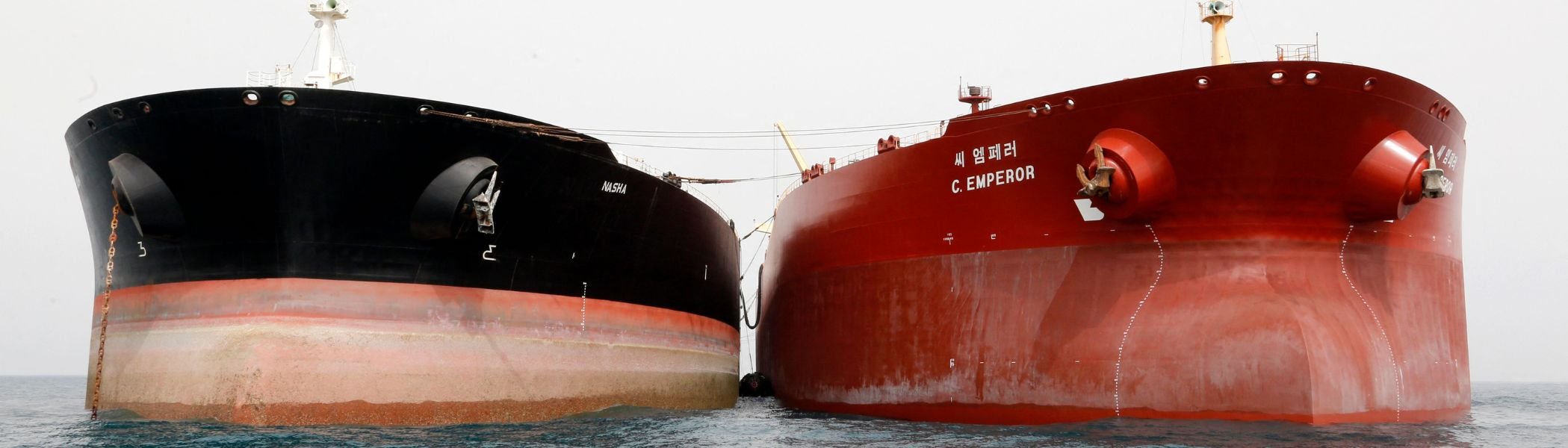
Energy is the primary channel through which the Middle East war impact spreads globally. The disruption of the Strait of Hormuz—through which roughly 25 to 30 percent of global oil and 20 percent of liquefied natural gas flows—has triggered one of the largest shocks to energy markets in history .
For energy-importing economies, this acts as a sudden increase in costs, reducing national income and increasing inflation. Countries in Asia and Europe are particularly exposed due to their reliance on imported fuel. In contrast, some energy-exporting countries may benefit from higher prices, although this depends on their ability to maintain exports amid the conflict.
Supply Chains and Trade Disruptions
The Middle East war impact also extends to global supply chains. Shipping routes have been disrupted, forcing rerouting of vessels and increasing transportation and insurance costs. These delays affect not only energy supplies but also critical inputs such as fertilizers.
Approximately one-third of global fertilizer trade passes through the Strait of Hormuz, and disruptions are occurring at a crucial moment in the agricultural cycle. This raises concerns about lower crop yields and higher food prices in the coming months. Additionally, shortages of other materials—such as helium and components used in manufacturing—are adding further pressure on global trade systems.
Inflation Pressures and Economic Strain
Rising energy and food prices are fueling inflation across regions. Historically, such supply shocks lead to higher prices and slower growth, and current conditions follow this pattern. The Middle East war impact is particularly severe in low-income countries, where food represents a large share of household consumption.
If elevated prices persist, inflation expectations could become unanchored. This would lead to wage increases and higher production costs, making it more difficult for central banks to stabilize prices without slowing economic activity further. As a result, many economies face renewed cost-of-living pressures.
Financial Markets and Global Conditions
Financial markets have also reacted to the Middle East war impact. Equity prices have declined, bond yields have increased, and volatility has risen across both advanced and emerging markets. These shifts have tightened financial conditions, making borrowing more expensive for governments and businesses.
The effects vary by region. Economies with strong financial systems and larger reserves are better positioned to absorb shocks. In contrast, low-income countries and those with high debt levels face greater risks, including currency depreciation and reduced access to external financing.
Reference
Adrian, T., Azour, J., Chalk, N., Gourinchas, P.-O., Kammer, A., Selassie, A. A., Srinivasan, K., & Valdés, R. (2026). How the War in the Middle East Is Affecting Energy, Trade, and Finance. International Monetary Fund. https://www.imf.org/en/blogs/articles/2026/03/30/how-the-war-in-the-middle-east-is-affecting-energy-trade-and-finance