
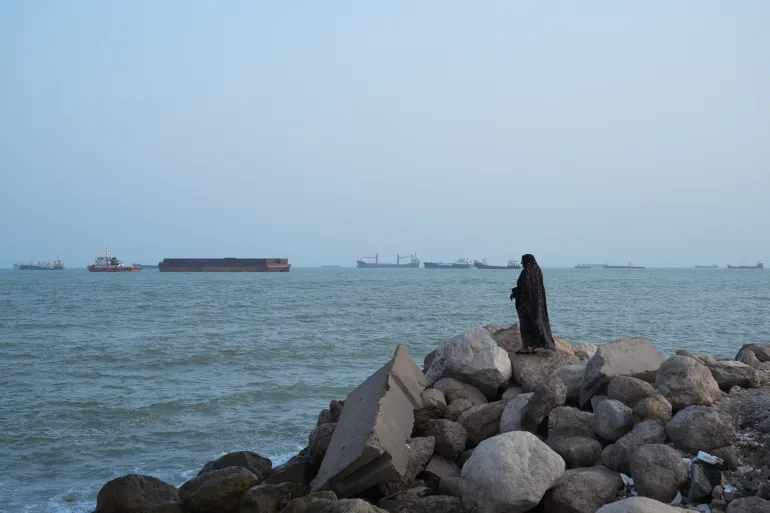
Recent statements by Iranian and U.S. officials have renewed attention on the Strait of Hormuz, one of the world’s most strategically significant maritime routes. The dispute emerged after the U.S. President Donald Trump claimed that the United States maintains “total control” over the waterway, a statement that Iranian authorities strongly rejected. Tehran responded by asserting that the strait remains under its control and emphasizing its influence over maritime traffic in the area. These competing claims reflect the broader rivalry between the two countries and highlight the symbolic and strategic importance of the passage.
The Strait of Hormuz as a Strategic Lever
Beyond the political rhetoric, the dispute reflects the broader role of the Strait of Hormuz as a strategic bargaining tool. Iranian officials have linked the normalization of maritime traffic through the strait to changes in U.S. policies and behaviour, using the waterway as leverage in ongoing diplomatic tensions. By emphasizing its influence over the route, Iran seeks to strengthen its negotiation position and demonstrate its capacity to affect regional security dynamics. This strategy underscores how geography can be transformed into political power, particularly in regions where economic and security interests are deeply interconnected.
Implications for Global Energy Markets
The situation also highlights the vulnerability of global energy supply chains to geopolitical tensions. The Strait of Hormuz serves as a key passage for a significant share of the world’s oil exports, making any disruption a matter of international concern. Reduced maritime activity and uncertainty regarding freedom of navigation have raised concerns among governments, energy, producers, and financial markets. As a result, developments in the strait have implications that extend far beyond the Middle East, influencing global energy prices and economic stability.
Consequences for Global Energy Security
The confrontations between Iran and the United States demonstrates that contemporary geopolitical competition is fought not only through military capabilities but also through strategic narratives and control of critical infrastructure. While Washington seeks to project strength and deterrence, Tehran aims to reinforce its image as an indispensable regional actor capable of shaping developments in one of the world’s most important maritime chokepoints. The episode illustrates how strategic geography continues to play a decisive role in international relations and how disputes over key transit routes can have far-reaching consequences for regional stability and global energy security.
Referencia:
Al Jazeera. (2026, August 13). Iran says Strait of Hormuz under its control, rejects Trump claims.