
Oil costs push Japan into a trade deficit
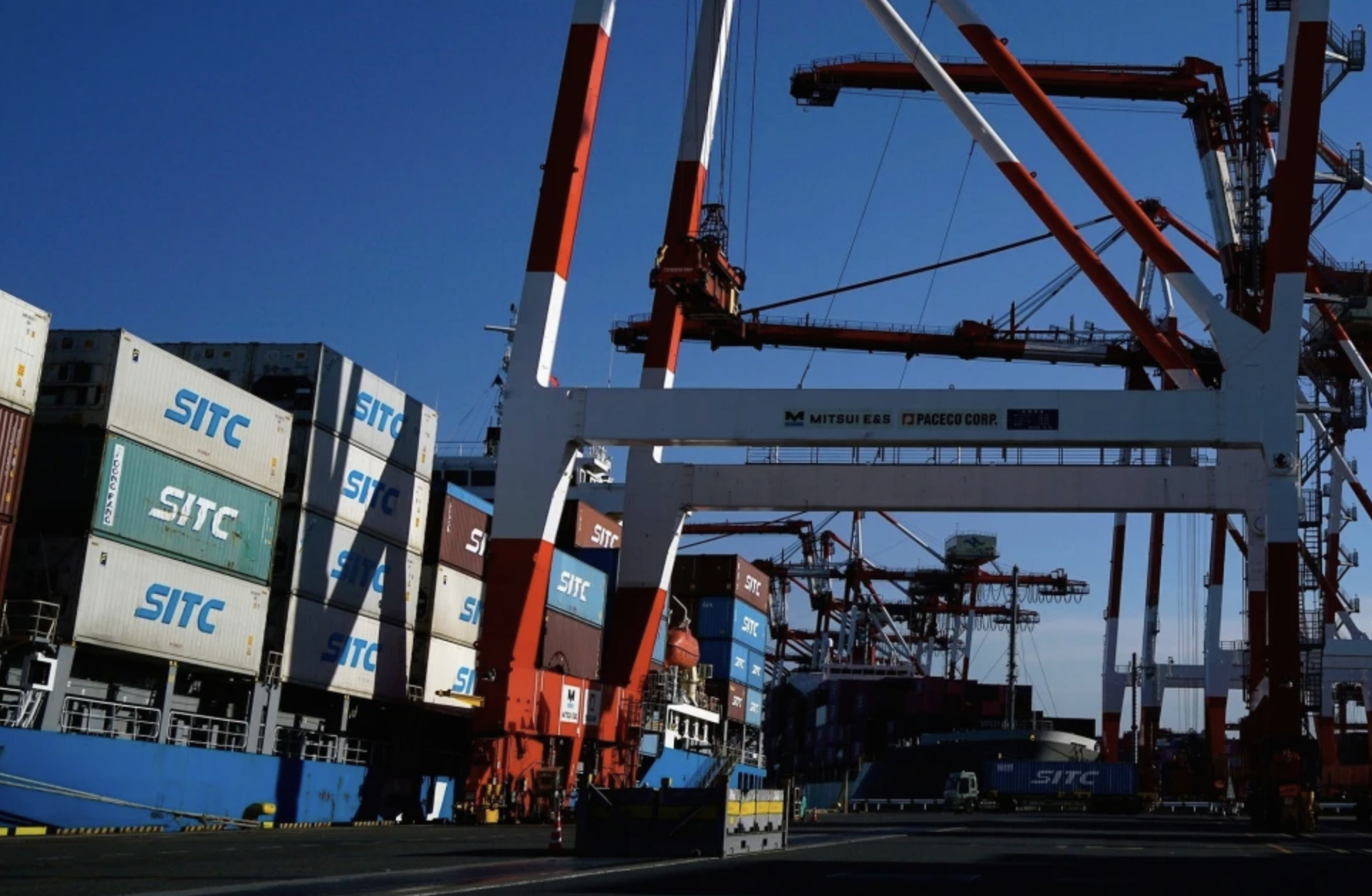
Japan recorded a trade deficit of 2.81 trillion yen, or $17.8 billion, during the first half of its fiscal year. Government data linked the imbalance to soaring oil import prices caused by the war in Iran.
Preliminary Finance Ministry figures showed exports rising 18.4% from a year earlier to 63.5 trillion yen between April and September. Imports increased 20.4% to 66.3 trillion yen. Both totals reached record highs.
Energy disruption raises costs across the economy
Because Japan imports virtually all its oil, restricted access to the Strait of Hormuz has forced the country to use more expensive shipping routes. Higher energy prices also affect plastic goods and transportation costs.
Meanwhile, Brent crude climbed from $70 per barrel in February to about $110. Analysts do not expect prices to ease soon. September alone produced a 536.6 billion yen deficit, marking a fifth consecutive month of shortfalls.
Although the monthly gap fell from 1.1 trillion yen in August, imports still grew 18.9% from the previous year. Exports rose 16.7% during the same period.
Weak yen prompts monetary and fiscal responses
A weaker yen is adding to Japan’s import burden, with the U.S. dollar recently trading near 150 yen. The Bank of Japan has gradually raised borrowing costs partly to support the currency.
Last month, the central bank increased its benchmark rate from 1.0% to 1.25%, its highest level in 31 years. Its monetary policy board meets again next week, while its inflation target remains around 2%.
Separately, Prime Minister Sanae Takaichi’s government has emphasized coordination with the central bank. It is also proposing a food tax reduction from 8% to 1% to help lower-income families manage rising prices. Parliament is debating the measure.
References
Kageyama, Y. (2026, October 21). Japan records a trade deficit as oil imports soar because of conflict in the Middle East. AP News. https://apnews.com/article/japan-trade-oil-imports-exports-war-c2265fa62a4511229dd83693d94d32e2