
Regional Economic Integration and Value Chains
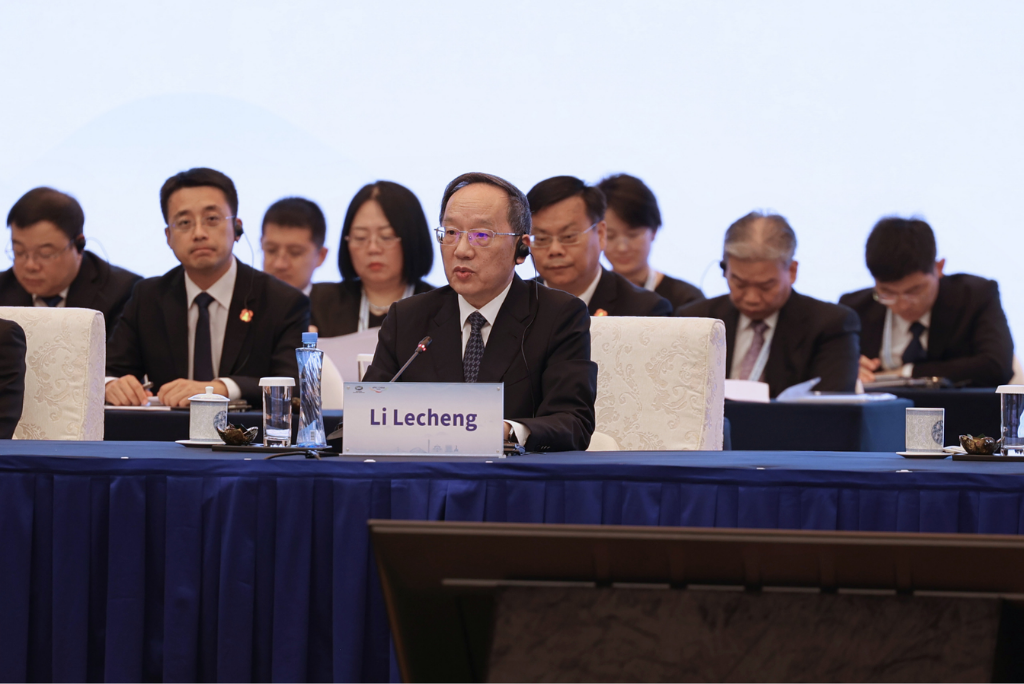
Micro, small, and medium enterprises (MSMEs) represent the foundational structure of economic activity throughout the Asia-Pacific region. Consequently, China’s Minister of Industry and Information Technology, Li Lecheng, issued a comprehensive statement outlining strategic priorities during the 32nd APEC SME Ministerial Meeting in Guangzhou.
Specifically, member economies emphasized the imperative of integrating smaller businesses deeper into global value chains. Therefore, regional policymakers are prioritizing industrial clusters and specialized economic zones to accelerate enterprise growth. Furthermore, these collaborative hubs allow smaller firms to share resources, reduce production overhead, and meet international trade standards effectively.
Supply Chain Resilience and Structural Adaptation
Enhancing supply chain resilience remains a central objective for maintaining long-term economic stability across APEC member economies. Specifically, ministers reaffirmed that MSMEs face heightened vulnerability to geopolitical shocks, logistics disruptions, and market fluctuations. Consequently, the chair’s statement called for targeted policy interventions to strengthen operational agility among regional businesses.
Furthermore, participating governments pledged to streamline regulatory procedures, lower institutional transaction costs, and eliminate cross-border trade friction. As a result, these joint structural reforms aim to shield smaller enterprises from unexpected market volatility while driving sustainable economic growth.
Reference
Asia-Pacific Economic Cooperation. (2026, September 5). Minister Li’s statement on the 32nd APEC Small and Medium Enterprises Ministerial Meeting. APEC Secretariat. https://www.apec.org/press/news-releases/2026/0905_SMEMM_MA