
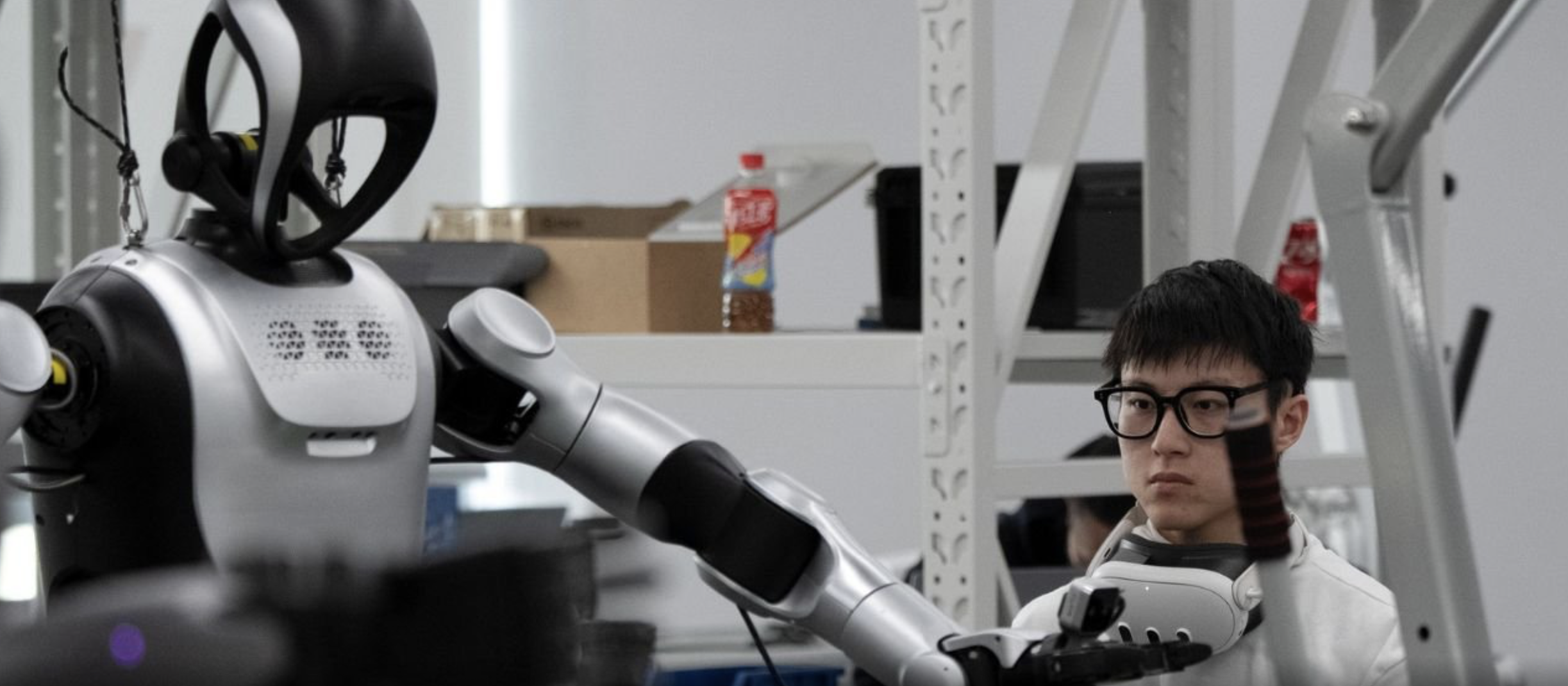
Transformation of Jobs
First, technological change has long altered labour markets and now AI accelerates that shift. Consequently, some jobs disappear while others emerge, creating opportunities and challenges at once. Moreover, new tasks and occupations appear alongside automation.
Growing Demand for Skills
In fact, one in ten job postings in advanced economies now asks for new skills. In emerging markets, the figure is one in twenty. In particular, professional, technical and management roles show high demand.
IT capabilities make up more than half of these new-skill requirements. Additionally, healthcare needs telecare and digital health skills. Meanwhile, marketing increasingly calls for social-media expertise.
Uneven Effects on Workers
As a result, nearly 40% of global jobs face some AI change. In turn, that elevates anxiety about job loss and declining prospects. Jobs needing emerging skills often pay more than others.
For instance, roles requiring multiple new skills can pay up to 15% higher in the UK. However, this wage premium benefits mainly high, and low, skill workers.
Meanwhile, many routine middle-skill jobs shrink. Specifically, roles exposed to AI show lower employment levels over time. That creates a tougher environment for young people starting careers.
Policy and Global Readiness
Yet these trends are shaped by policy choices. A Skill Imbalance Index helps where skill demand exceeds supply. Countries with high demand but low supply must invest in education.
By contrast, those with abundant talent need to stimulate innovation. Emerging economies must boost both skill development and job creation. Broadly, policies should support retraining, mobility and workforce engagement.
Competition policy also matters to prevent talent concentration. Social protection can help people through job transitions.
Education for the AI Era
Thus, education systems must change for an AI-driven economy. Students need cognitive, creative and technical skills that complement AI.
Workers at risk of displacement require retraining access. Some countries already lead in skill readiness with strong lifelong learning.
Ultimately, labour markets will be reshaped by both AI and human skills. Success depends on preparing people and making AI’s gains inclusive.
Source:
International Monetary Fund. (2026, January 14). New skills and AI are reshaping the future of work. IMF Blogs. https://www.imf.org/en/blogs/articles/2026/01/14/new-skills-and-ai-are-reshaping-the-future-of-work