
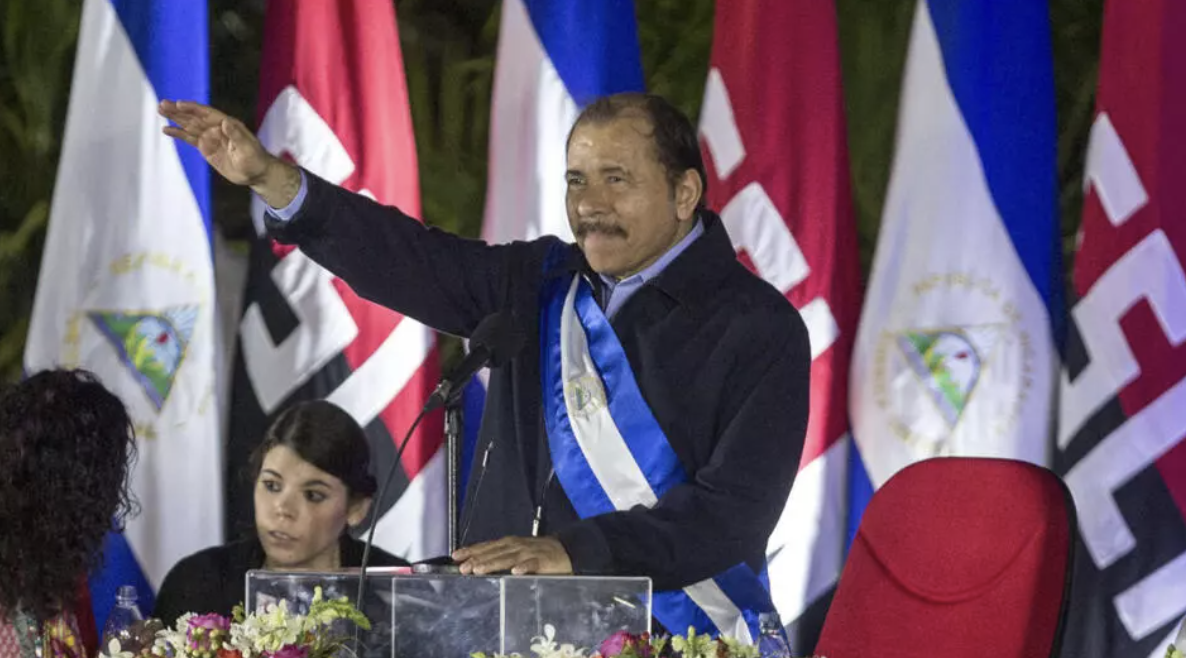
A controversial Nicaragua Ortega reform has cleared its first parliamentary vote. The National Assembly approved the constitutional amendment on Tuesday, September 1.
Specifically, the reform bans opposition parties from participating in future elections. In addition, the measure extends presidential terms from six to seven years. Consequently, democratic nations across the Americas strongly condemned the legislative decision.
The proposal directly strengthens executive control under co-presidents Daniel Ortega and Rosario Murillo. For this reason, the regime aims to eliminate political competition permanently.
In fact, Ortega publicly declared that traditional elections would end to prevent opposition rule. Meanwhile, a second mandatory vote will take place in January before full ratification. Therefore, the ruling party continues consolidating absolute authority over national institutions.
Foreign governments reacted swiftly against the authoritarian constitutional changes. Indeed, the United States urged the international community to isolate the Nicaraguan government.
Furthermore, Panama withdrew its ambassador from Managua in immediate protest. Because political repression escalated after the 2018 anti-government demonstrations, thousands of citizens fled the country. As a result, international organizations continue monitoring human rights violations across Nicaragua.
Reference
France 24. (2026, September 2). El Parlamento de Nicaragua aprueba en lo general una reforma que veta a la oposición de las elecciones. France 24. https://www.france24.com/es/am%C3%A9rica-latina/20260902-el-parlamento-de-nicaragua-aprueba-en-lo-general-una-reforma-que-veta-a-la-oposici%C3%B3n-de-las-elecciones