
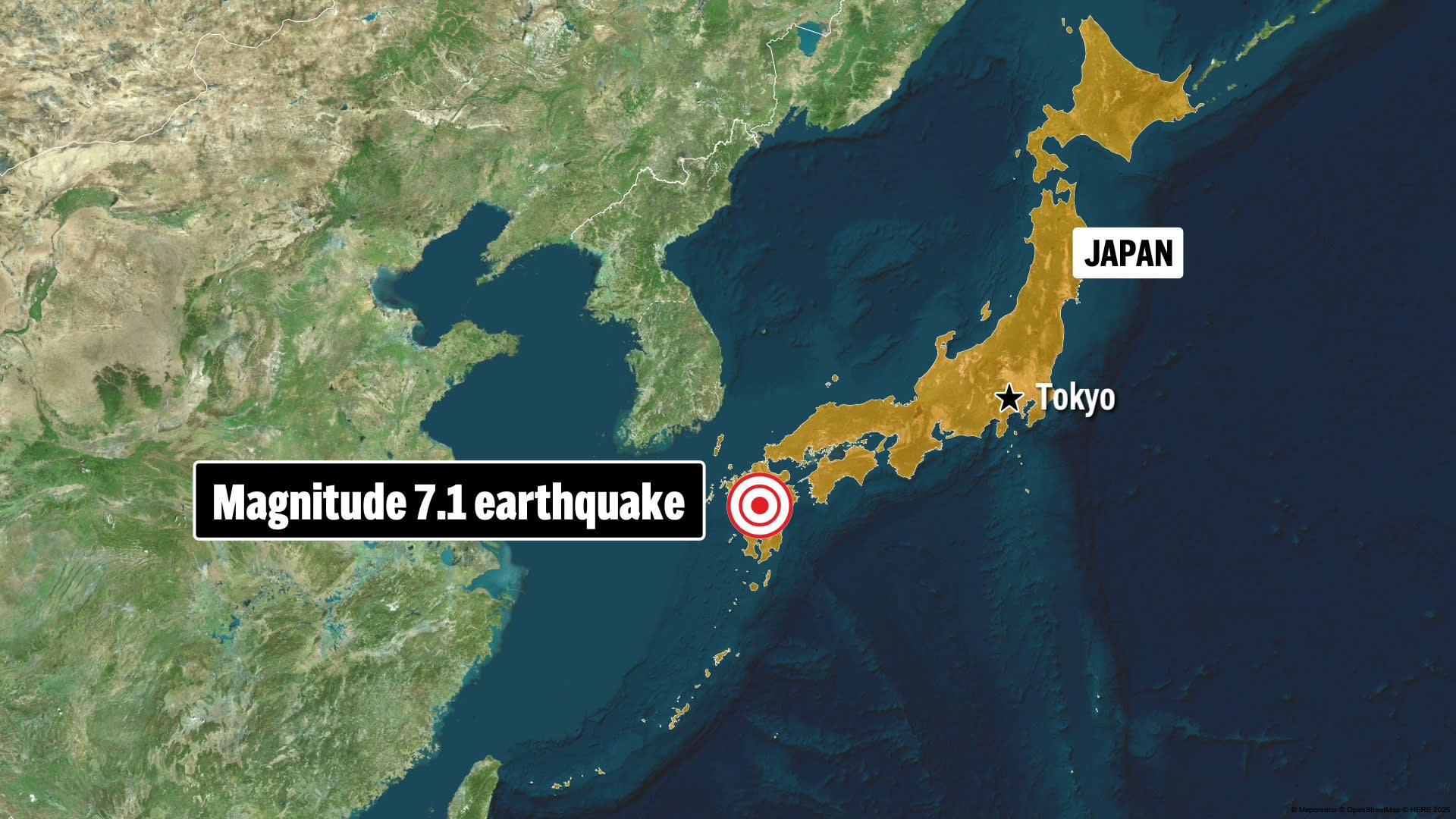
Southern Japan Faces Another Major Seismic Emergency
Nikkei Asia documents the aftermath of the powerful 7.1-magnitude earthquake that struck Kumamoto Prefecture on Japan’s Kyushu Island. The earthquake caused widespread structural damage, disrupted transportation and electricity services, and prompted emergency rescue operations across the region. Authorities also issued a tsunami advisory immediately after the quake, although it was later lifted once the immediate threat had passed.
Rescue Operations Continue Amid Aftershocks
Emergency personnel, firefighters and members of Japan’s Self-Defense Forces were deployed to search for survivors trapped in collapsed buildings and damaged infrastructure. Rescue efforts focused on heavily affected locations, including commercial buildings and residential areas, while officials warned residents to remain alert for powerful aftershocks and possible landslides. As rescue operations continued, authorities confirmed fatalities, injuries and missing persons, emphasizing that the situation remained dynamic.
Infrastructure and Industry Suffer Significant Disruptions
The earthquake temporarily halted rail services, closed regional airports and damaged highways throughout Kyushu. Several manufacturing facilities, including plants operated by major technology and automotive companies, suspended production while safety inspections were conducted. These disruptions highlight Japan’s importance within global manufacturing and demonstrate how natural disasters can rapidly affect international supply chains.
Japan’s Disaster Preparedness Put to the Test
Japan remains one of the world’s most earthquake-prone countries due to its location on the Pacific Ring of Fire. Decades of investment in seismic-resistant infrastructure, early warning systems and emergency preparedness have strengthened the country’s capacity to respond to disasters. Nevertheless, events such as the Kumamoto earthquake illustrate that even highly prepared nations continue to face significant humanitarian and economic challenges when major earthquakes occur.
Global Implications of Natural Disasters
Beyond the immediate humanitarian impact, earthquakes in Japan often have international economic consequences. Temporary interruptions in semiconductor production, automotive manufacturing and logistics can affect businesses and supply chains worldwide. The disaster also reinforces the importance of international cooperation in disaster response, scientific research and infrastructure resilience.
International Relevance
Overall, Nikkei Asia highlights how the Kumamoto earthquake represents not only a national emergency but also an event with global implications. The disaster underscores the importance of resilient infrastructure, effective emergency management and international collaboration in reducing the impact of natural hazards. For the OGU, the topic is internationally relevant because it connects disaster risk reduction, public safety, economic resilience and global supply chains.
Reference: Nikkei Asia. (2026, July 29). In Focus: Powerful magnitude 7.1 earthquake jolts Kumamoto. https://asia.nikkei.com/photos/in-focus-powerful-magnitude-7.1-earthquake-jolts-kumamoto