
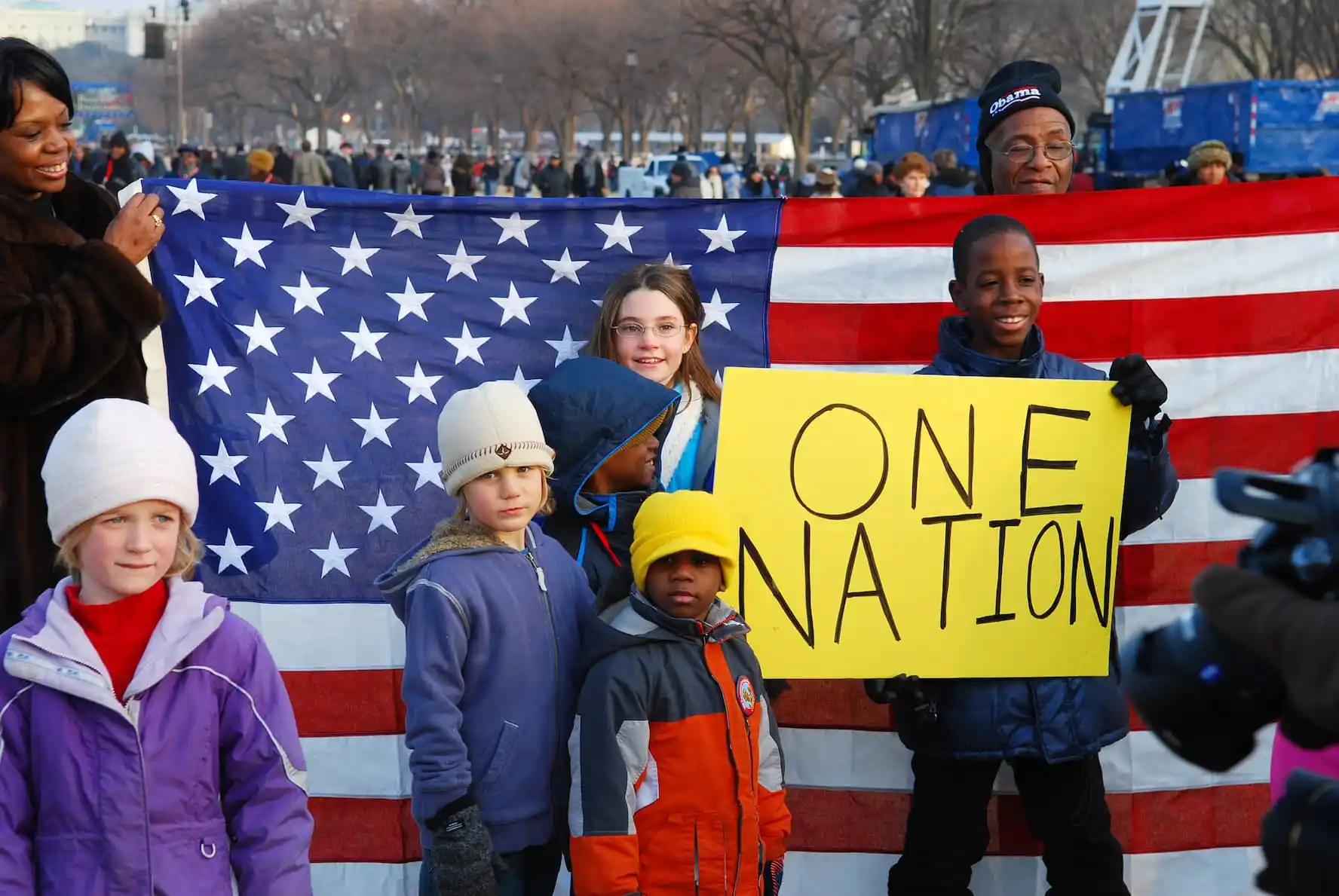
The idea that protest changes policy has been supported by decades of civic activism and academic research. According to the Brookings Institution, protests are most effective when communities remain organized after public demonstrations end. Rather than relying on one-time events, successful movements build long-term advocacy, strengthen local organizations, and continue engaging with policymakers.
Why Organization Matters
Brookings explains that sustained civic engagement is more likely to produce meaningful policy reforms than short-lived demonstrations. For example, research on the Black Lives Matter movement found that cities with consistent community organizing adopted reforms such as civilian oversight, restrictions on the use of force, and implicit bias training. However, passing legislation is only the first step. Communities must also monitor implementation to ensure reforms are effectively enforced.
Diverse Coalitions Strengthen Social Movements
The article also emphasizes that diversity plays a critical role in successful civic movements. In addition, broad coalitions that include different racial, generational, and social groups create stronger political support. As a result, policymakers face greater public pressure to respond to community demands. Young people are especially important because they often become long-term participants in civic engagement and democratic participation.
Challenges to Civic Engagement
Furthermore, Brookings identifies several threats that can weaken community organizing. These include restrictions on peaceful protest, limits on voting rights, reduced civic education, declining support for nonprofit organizations, and increased digital surveillance. Because of these challenges, the article argues that protecting democratic institutions is essential for preserving the public’s ability to influence government decisions.
Overall, the evidence presented by Brookings suggests that protest changes policy when communities stay engaged beyond public demonstrations. Ultimately, long-term organization, inclusive coalitions, and continued legislative advocacy help transform civic activism into durable public policy. This approach strengthens democratic accountability while encouraging governments to respond more effectively to citizens’ concerns.
Reference
Ray, R. (2026, June 29). Protest changes policy when communities stay organized. Brookings Institution. https://www.brookings.edu/articles/protest-changes-policy-when-communities-stay-organized/