
The Russian military has largely lost the strategic initiative in Ukraine as the material and human costs of its campaign continue to rise dramatically. Quantitative data reveals that since the full-scale invasion began in February 2022, Russia has suffered approximately 1.4 million total casualties, including as many as 450,000 battlefield deaths. This death toll is more than four times greater than all United States military fatalities across all conflicts combined since World War II. By mid-2026, Russia’s monthly casualty rate has surpassed 30,000.
Outstripping its domestic recruitment rate of roughly 27,000 new soldiers per month. Driven heavily by Ukraine’s widespread deployment of advanced, artificial intelligence (AI)-enabled drones. The battlefield casualty ratio has shifted dramatically to nearly eight Russian casualties for every one Ukrainian casualty.
On the ground, Russia’s offensive has effectively stalled, recording some of the slowest rates of military advance observed in any global conflict over the past century. Averaging a mere 50 to 90 meters per day across critical sectors like Kostiantynivka, Pokrovsk, and Sloviansk. Furthermore, Russia experienced its first net territorial losses since August 2024. Ceding a net total of roughly 400 square kilometers of Ukrainian territory during April and May of 2026. This tactical stagnation is compounded by a highly coordinated Ukrainian air interdiction campaign.
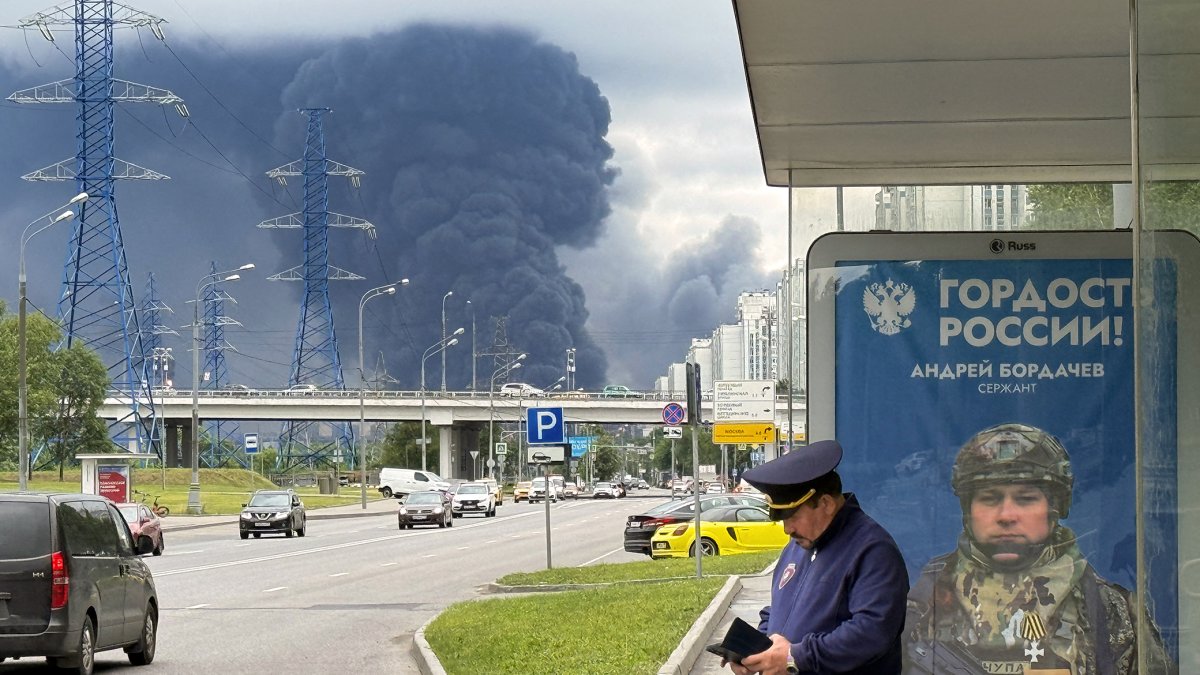
Utilizing short-, medium-, and long-range drone and missile strikes, Ukraine has successfully targeted Russian energy infrastructure, military command nodes. And manufacturing facilities deep within the Russian interior, including major urban centers like Moscow and St. Petersburg. Consequently, the domestic toll on everyday Russian citizens has mounted. Characterized by an underperforming economy, localized fuel shortages, infrastructure disruptions in Crimea, increased taxation, and severe state crackdowns on internal dissent.
In conclusion, the escalating losses in blood and treasure demonstrate that Russia’s military campaign has reached an unsustainable trajectory. That threatens its long-term domestic and strategic stability. The combination of staggering human attrition, historically stagnant ground advances, and successful deep-theater strikes by Ukraine. Has eroded Russia’s operational advantages. While these factors have not completely crippled Moscow’s war machine. Ultimately, they reveal that the immense cost of pursuing Vladimir Putin’s regional objectives. Is placing an unprecedented compounding strain on Russia’s military capacity, economic health, and internal security.
Reference
Jones, S. G., & McCabe, R. (2026, July 2). Russian Blood and Treasure: The Ballooning Costs of Putin’s War. CSIS; Center for Strategic and International Studies. https://www.csis.org/analysis/russian-blood-and-treasure-ballooning-costs-putins-war