
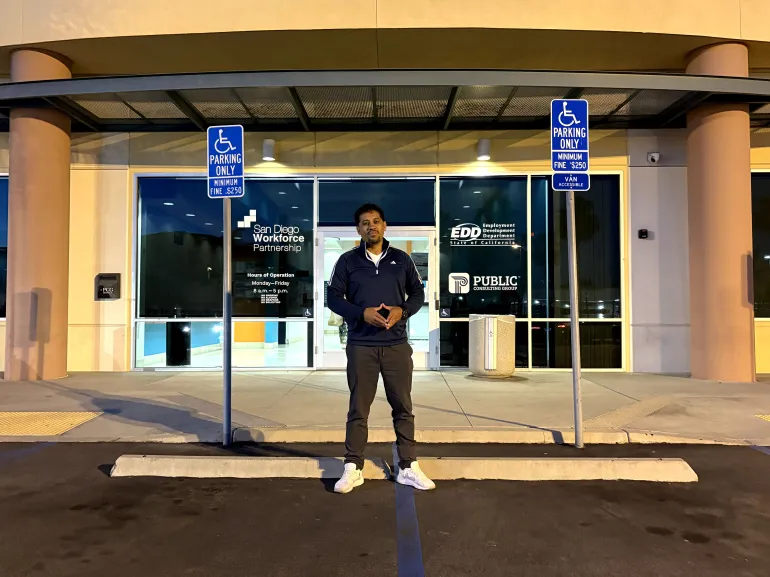
US Navy veteran Benito Miranda Hernandez, who completed three tours of duty during the Iraq War. Is now facing deportation to Mexico after being detained by Immigration and Customs Enforcement (ICE). Hernandez, who was brought to the United States as an infant. Served in the military under the widely publicized promise that his service would guarantee expedited US citizenship. However, bureaucratic delays during his deployments postponed his citizenship interview until two years after his discharge. By that time, struggling with post-service trauma and the difficulties of civilian reintegration, Hernandez had incurred a drug conviction. Which led to the denial of his citizenship application. Immediately upon completing his years-long prison sentence, and despite having recently secured a green card for permanent residency, ICE agents detained him at the prison gates.
Hernandez’s situation reflects a broader national trend under current federal policies prioritizing the deportation of immigrants with criminal records. Veteran advocacy groups report a sharp rise in ICE detentions and deportations targeting non-citizen veterans. Who frequently suffer from untreated mental health issues and substance abuse stemming from their military service. Recruiters continue to utilize the promise of citizenship to address military staffing shortages. Yet the federal government fails to track the veteran status of detainees properly, leaving many to fall through the cracks of the immigration system. While several protective legislative measures are pending in Congress, advocacy groups argue that the current system treats immigrant service members as disposable. Stripping them of their humanity for combat without providing the structural support necessary to transition safely back into civilian life.
In conclusion, the detention of veterans like Hernandez exposes a systemic contradiction within American military recruitment and immigration policy. By failing to honor the path to citizenship promised to foreign-born service members, the government alienates individuals who risked their lives for the nation. This crisis highlights a profound ethical failure, showing that without explicit legislative protections. Ultimately, the systemic trauma of warfare combined with aggressive deportation policies will continue to penalize the very immigrants who answered the call to serve.
Reference
Oakes, A. (2026, July 5). This immigrant served in the US military. Now he faces deportation. Al Jazeera. https://www.aljazeera.com/news/longform/2026/7/5/this-immigrant-served-in-the-us-military-now-he-faces-deportation