
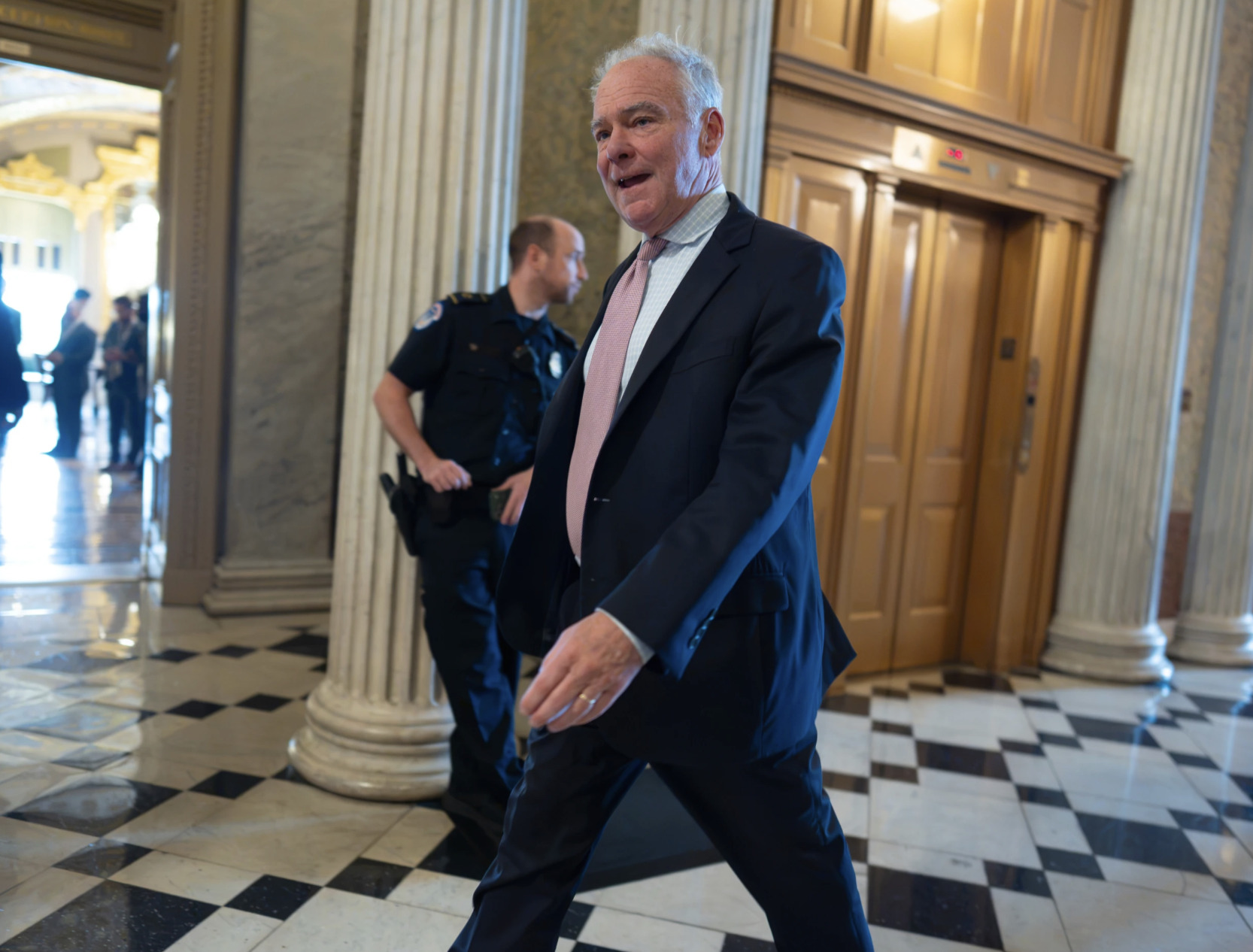
Narrow Defeat for the War Powers Resolution
The United States Senate voted down a measure aimed at ending American military action against Iran. Lawmakers rejected the war powers resolution despite growing public unease over the conflict. This proposal sought to require President Donald Trump to withdraw armed forces unless Congress authorized military action. While the legislative effort fell short, it exposed deep constitutional tensions over executive military power.
Party lines largely held during the vote, though several lawmakers broke ranks. Republican Senator Rand Paul voted alongside Democrats to support the measure. In contrast, Democratic Senator John Fetterman joined most Republicans in opposition. Supporters argued that sustained military intervention required explicit legislative consent. Opponents maintained that the president had constitutional authority to conduct the ongoing operations.
Rising Fuel Costs and Midterm Anxiety
Economic fallout from the seven-month campaign has increased political pressure ahead of the midterm elections. Energy prices have surged, with diesel costs nearly doubling to surpass six dollars per gallon. These elevated costs place severe burdens on rural families and small businesses. Consequently, several lawmakers expressed alarm about voter anger over domestic living expenses.
Growing voter frustration sparked difficult discussions within the Republican conference. Senator John Kennedy urged the president to deliver an address explaining the war strategy and endgame. Other conservative senators insisted that military operations should continue despite economic friction. Senator Josh Hawley argued that Congress should prioritize inflation rather than limiting military command. Democratic leaders criticized Republicans for reacting slowly to rising household costs.
Legislative Friction and Executive Pushback
Confronting presidential war authority remains an uphill battle on Capitol Hill. Although the House previously passed a similar resolution with bipartisan support, the Senate blocked final approval. Earlier attempts to check military actions also collapsed under intense White House lobbying. During past efforts, presidential pressure quickly dismantled fragile bipartisan coalitions among lawmakers.
Representative Pramila Jayapal strongly criticized the Senate outcome as a dismissal of public opinion. She argued that most Americans want the conflict to end swiftly. While war powers resolutions cannot defund military campaigns directly, they register sharp legislative disapproval. Lawmakers expect the war and its economic consequences to dominate upcoming congressional campaigns.
References
Mascaro, L. (2026, September 24). Senate rejects resolution to halt the Iran war as gas prices upend midterms. AP News. https://apnews.com/article/war-powers-iran-senate-trump-a3f88638b0b3a77ec7ac318f85e55887