
The Transition from Imminent Strike to Coercive Diplomacy 2.0
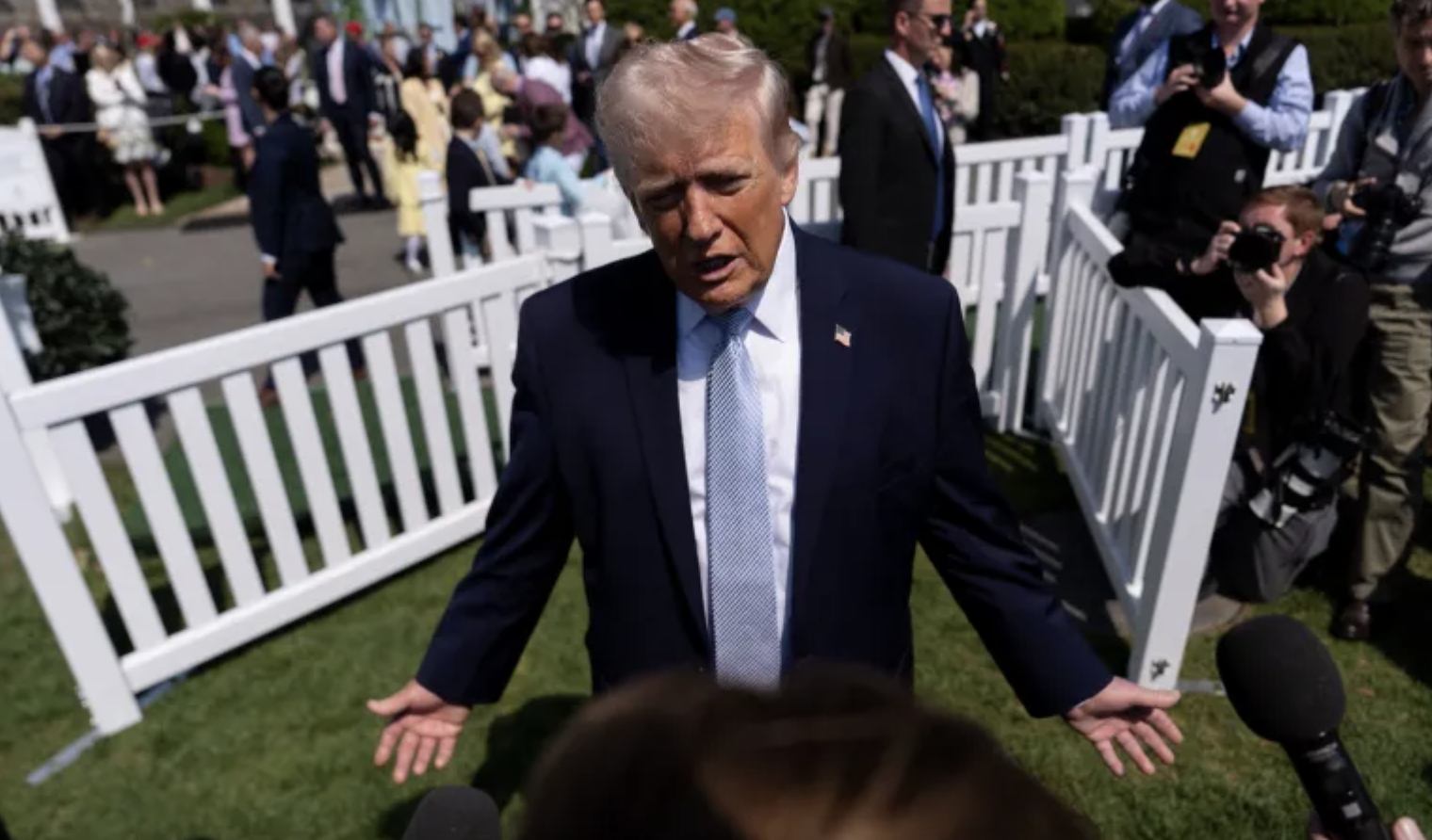
In the final hours before the “Bridge Day” deadline (Article #87), the U.S. administration has transitioned from an active bombing posture to a formal two-week suspension of all kinetic operations against the Iranian mainland. This decision follows a series of “dire threats” and intensive back-channel negotiations. Consequently, the threat of immediate infrastructure decimation has been replaced by a Conditional Moratorium. This suggests that the administration is shifting its strategy from “Shock and Awe” to a “Slow-Motion Siege,” betting that the psychological relief of the pause, combined with the ongoing blockade, will empower the pragmatic factions within Tehran to force a diplomatic surrender without the U.S. having to fire a shot.
Origins and the “Rational Actor” Gamble
Originally, the U.S. military was prepared for a total blackout of the Iranian grid by midnight. However, the origin of this suspension lies in a last-minute intervention by regional intermediaries and, reportedly, a secret communication from the Iranian leadership signaling a willingness to discuss the “15-Point” framework (Article #87). For April 2026, this pause represents a gamble on Rational Actor Theory: the U.S. is giving the Iranian regime a two-week window to “choose a future,” essentially forcing them to stare at the abyss they just narrowly avoided. Furthermore, the report emphasizes that the suspension is “highly conditional,” with the U.S. carrier groups remaining in strike positions, ensuring that the “Stone Age” remains only one order away.
The Structure of the “Suspension Framework”
The structure of this two-week window is organized around three specific pillars:
- Freeze-for-Freeze: A quiet understanding that Iran will not escalate its maritime harassment in the Strait of Hormuz while the bombing is paused.
- Verification Access: A demand for immediate, unhindered IAEA or neutral party access to specific sites to prove that enrichment has not spiked during the crisis.
- The “Domestic Lever”: By publicizing the pause, the U.S. is signaling to the Iranian public that their infrastructure is safe only as long as their government continues to talk. Moreover, the article highlights the “Institutional Friction” in Washington, where hardliners in the Pentagon fear that this pause will allow Iran to reorganize its “Passive Defense” systems and better hide its mobile missile launchers.
Synthesis of Brinkmanship and the “False Peace” Paradox
The successful utilization of this two-week window now faces a paradox where the “absence of war” does not equate to the “presence of peace.” This objective is essential to understand because it illustrates how Strategic Patience can be as aggressive as a kinetic strike. If the deadline passes without a signed treaty, the subsequent “Phase 2” strikes will likely be even more severe to compensate for the lost momentum. Simultaneously, there is a clear intent among European allies to use this “breathing room” to launch a massive humanitarian aid corridor, even while the U.S. maintains the blockade. Ultimately, the Al Jazeera report provides a stable warning: a two-week pause is not a peace deal; it is a timed countdown that has simply been reset.
Reference
Al Jazeera. (2026, April 7). Trump suspends Iran bombing for two weeks following dire threats. Al Jazeera Breaking News. https://www.aljazeera.com/news/2026/4/7/trump-suspends-iran-bombing-for-two-weeks-following-dire-threats