
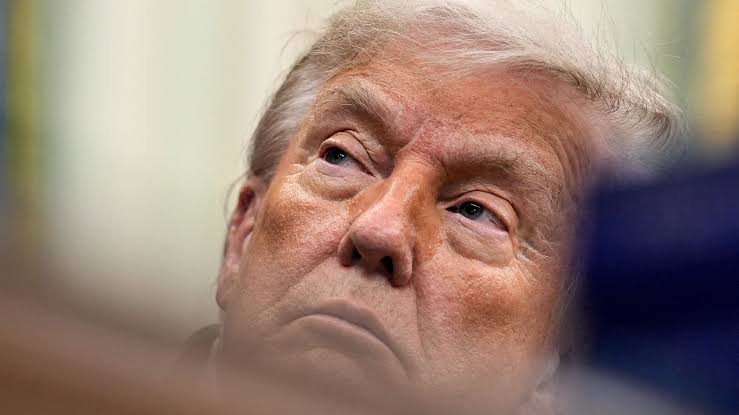
The tech sector influence has expanded significantly during the Trump administration. According to the article, several leading technology executives joined President Donald Trump on his recent trip to the Middle East. As a result, they secured multi-billion-dollar agreements involving artificial intelligence, data centers, and other emerging technologies. These developments highlight the growing relationship between government and the technology industry.
The Middle East visit created new business opportunities for major technology firms. In addition, the agreements focused on advanced AI systems, digital infrastructure, and large-scale investment projects. These contracts demonstrate how global demand for artificial intelligence continues to increase. Consequently, American technology companies are strengthening their international presence while expanding their commercial influence.
The article also notes that several prominent technology executives now hold important positions within the administration. For example, some oversee policies related to artificial intelligence, cryptocurrency, and space exploration. Because of these appointments, the private technology sector has gained a stronger voice in shaping national policy. This close relationship may accelerate innovation, but it also raises questions about governance and accountability.
However, the growing tech sector influence also creates new policy challenges. Governments must balance technological innovation with transparency, competition, and public oversight. Furthermore, expanding cooperation between political leaders and technology companies requires clear regulations that protect both economic growth and the public interest.
Overall, the article illustrates how the tech sector influence continues to grow through international partnerships and increased participation in government. Ultimately, the combination of major AI investments, global business expansion, and public leadership positions could shape the future of technology policy for years to come.
Reference
Lynch, D. J. (2026, July 1). North America trade faces uncertainty as Trump declines to renew USMCA in its current form. The New York Times. https://www.nytimes.com/2026/07/01/business/economy/usmca-north-america-trade.html