
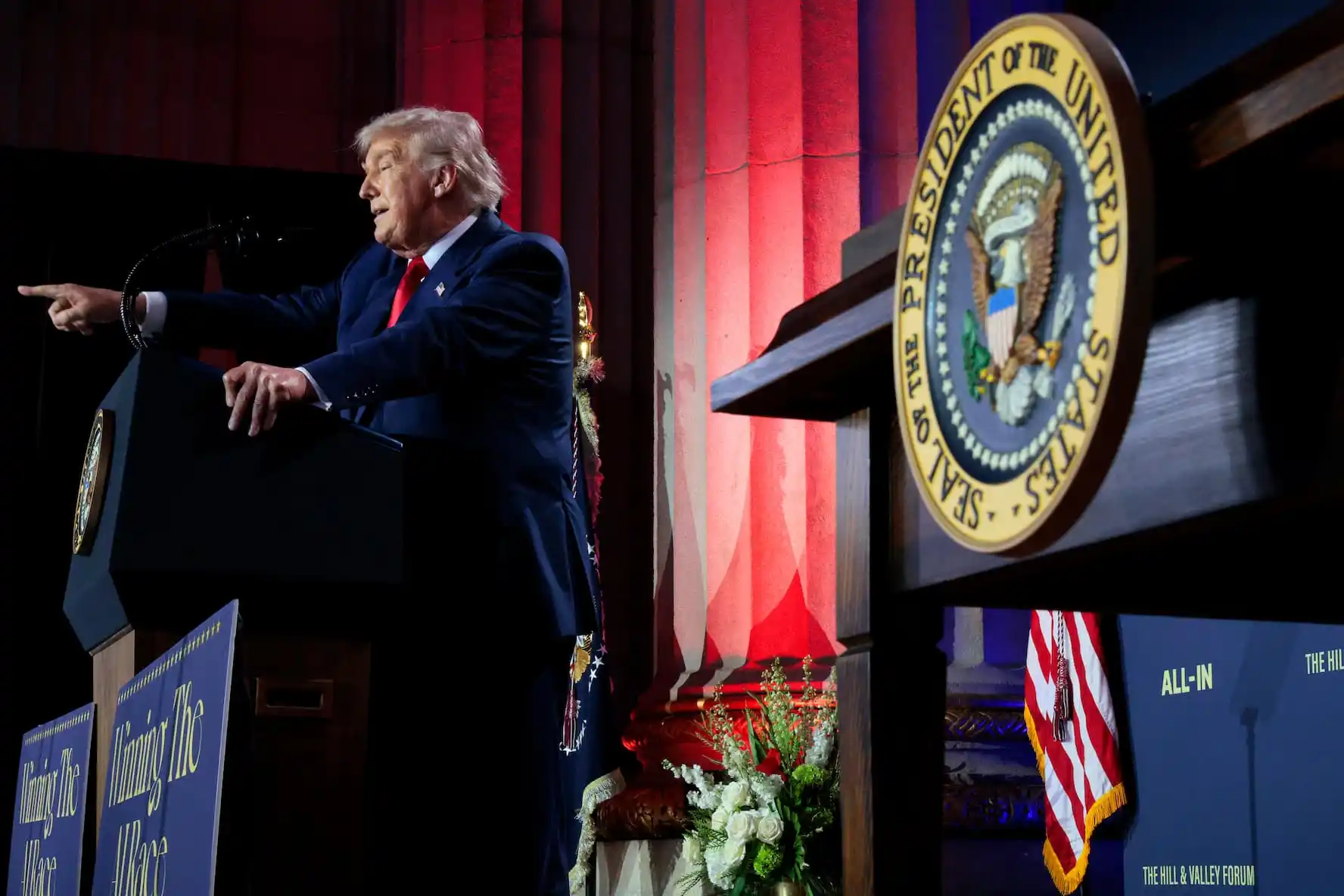
The Anthropic AI embargo has sparked debate about the future of American leadership in artificial intelligence. According to the Brookings Institution, the Trump administration’s decision to restrict exports of Anthropic’s latest AI models may weaken the United States’ position in the global AI market. Rather than strengthening U.S. competitiveness, the policy could encourage international customers to seek alternative technologies developed outside the United States.
How the Export Restrictions Affect U.S. Competitiveness
The Brookings article explains that advanced AI models are becoming an important export for the United States. However, limiting access to these technologies may reduce confidence among foreign governments, businesses, and researchers. As a result, international partners could accelerate investment in competing AI systems developed in Europe or Asia instead of relying on American companies.
Balancing National Security and Innovation
The administration introduced the restrictions because of national security concerns surrounding advanced AI capabilities. Nevertheless, the article argues that broad export controls should be carefully balanced with economic objectives. In addition, unpredictable restrictions may discourage long-term investment and reduce the attractiveness of U.S. AI products in global markets.
Brookings also notes that successful technology leadership depends on trust and reliable international partnerships. Therefore, export policies should protect sensitive technologies without creating unnecessary uncertainty for legitimate users. A stable regulatory environment would help American companies compete while supporting responsible AI development.
Global Competition Is Increasing
The article highlights that other countries continue investing heavily in artificial intelligence. Meanwhile, governments around the world are developing domestic AI capabilities and expanding their own technology industries. Because of this, restrictive export policies may unintentionally strengthen foreign competitors by encouraging customers to adopt alternative AI platforms.
Brookings argues that innovation remains one of the United States’ greatest competitive advantages. Consequently, policies should encourage responsible exports while addressing legitimate security risks through targeted measures rather than broad restrictions. This approach could better preserve both national security and economic leadership.
Overall, the Anthropic AI embargo demonstrates the difficult balance between protecting national security and promoting technological innovation. Ultimately, Brookings concludes that export controls should be carefully designed to safeguard sensitive AI capabilities without reducing the global competitiveness of American technology companies.
Reference
Kerry, C. F. (2026, July 1). The Trump administration’s embargo on Anthropic’s latest models scorches its hopes to export American AI. Brookings Institution. https://www.brookings.edu/articles/the-trump-administrations-embargo-on-anthropics-latest-models-scorches-its-hopes-to-export-american-ai/