
AI’s Economic Ascension and the Bubble Risk
AI currently propels major stock market indexes and is deeply woven into economic momentum, attracting high investor expectations and meteoric valuations.
However, the excitement around AI increasingly blurs lines between tangible value and speculative optimism.
Government Support and Market Dynamics
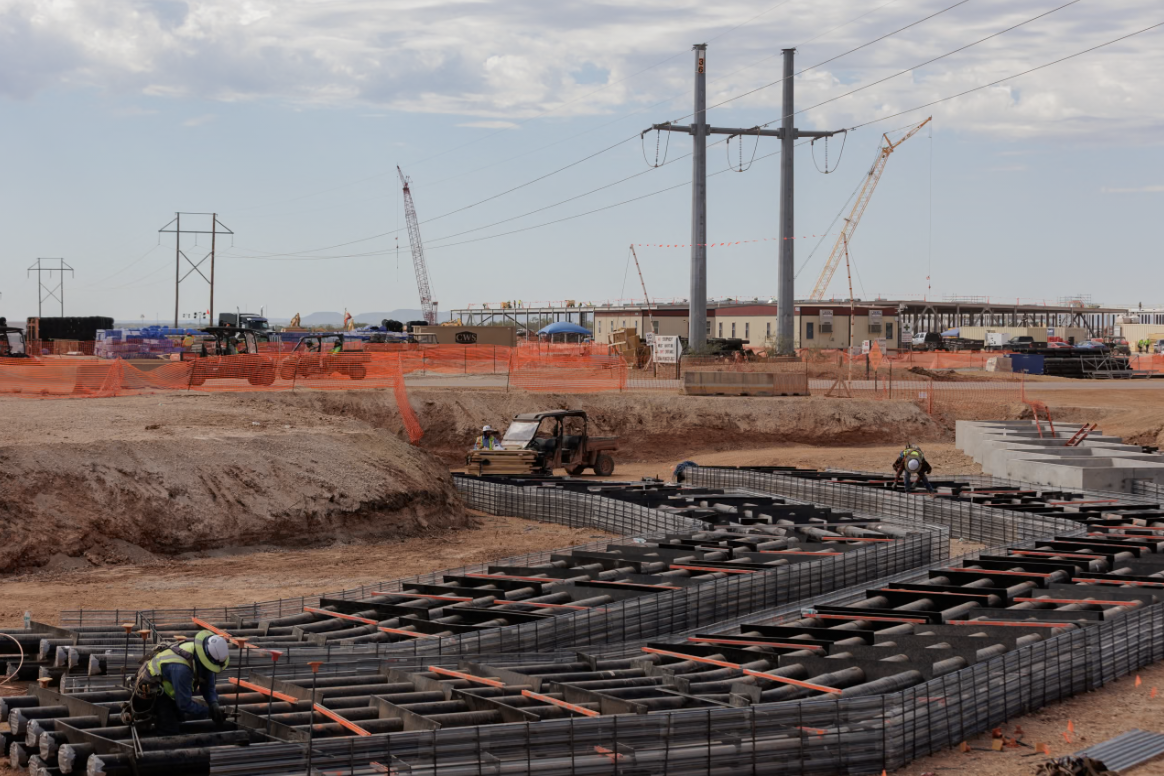
Initially, expanded land access and expedited permits lowered barriers for new data centers and power infrastructure.
In addition, federal equity stakes in semiconductor and lithography firms signal heightened industrial policy focus on AI success.
Consequently, this coordinated support has driven unprecedented capital expenditures in computing and data infrastructure.
Infrastructure Costs and Tariff Headwinds
Despite support, rising input costs challenge firms building data networks and electrification systems.
Specifically, steep tariffs on metals and imported components inflate construction expenses for utilities and data hubs.
Moreover, battery storage costs face heavier levies due to reliance on foreign manufacturing.
Labor Shortages and Immigration Policies
Simultaneously, stricter visa policies and border enforcement reduce access to skilled technical and construction labor.
Thus, companies struggle to fill critical roles from engineers to electricians, slowing project timelines.
Indeed, nearly a quarter of trade workers historically arrived from abroad, emphasizing current workforce gaps.
Broader Construction Market Pressures
Furthermore, overall construction activity has declined, tightening competition for skilled workers across sectors.
As residential starts dip and commercial builds shrink, AI infrastructure must compete for scarce labor.
Policy Shifts and Future Outlook
Looking ahead, proposed housing initiatives may further strain labor availability for AI projects.
Addressing these bottlenecks could involve expending temporary work visas and streamlining craft worker permits.
Otherwise, rising costs and workforce shortfalls may temper AI’s growth expectations.
Value vs. Investment Reality
Ultimately, AI’s long-term impact depends on proving that massive investments deliver measurable economic returns.
Yet, cost barriers and slower deployment timelines may expose overstretched investor enthusiasm.
Source:
O’Neil, S. K. (2026, January 29). The AI bubble is getting closer to popping. Council on Foreign Relations. https://www.cfr.org/articles/the-ai-bubble-is-getting-closer-to-popping