
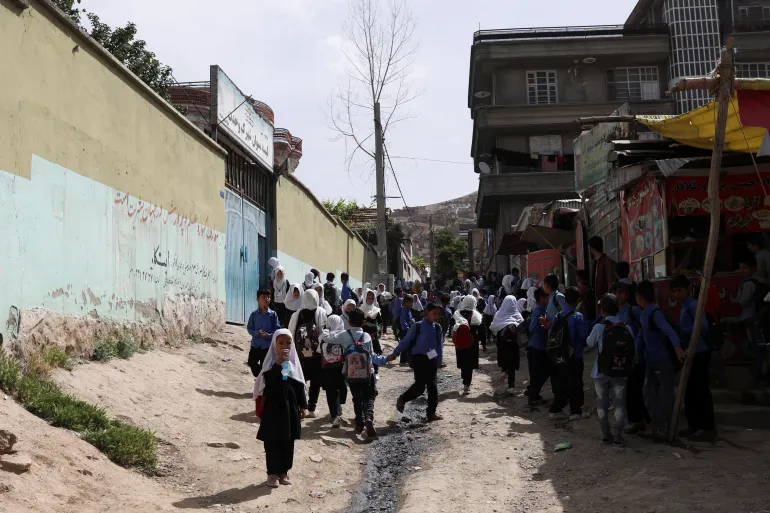
The global financial architecture forces developing nations across the Global South to prioritize external debt service over funding public education, putting the future of hundreds of millions of children at risk. More than 100 countries—representing billions of people- now allocate significantly more budget to servicing international debt obligations than to educating their populations. In low-income states, debt payments routinely surpass education budgets multiple times over, leading to overcrowded classrooms, severe teacher shortages, crumbling infrastructure, and rising dropout rates.
This structural imbalance stems from a system where creditors hold legally enforceable claims on state revenues. Whereas human rights and international development goals lack binding enforcement mechanisms. As a result, developing nations experience vast net capital outflows to external lenders, while foreign education aid simultaneously declines. Proposed solutions like debt-for-education swaps offer minor relief, but they fail to challenge the underlying doctrine that prioritizes financial returns over social investment.
In conclusion, the current debt system sacrifices long-term human development and economic productivity to satisfy short-term creditor demands. Overcoming this crisis requires systemic reform, including comprehensive debt cancellation, automatic payment suspensions during emergencies, and a binding international framework under the United Nations to ensure social rights take precedence over financial speculation.
Reference
Kapoor, I. (2026, July 25). The Global South is being forced to choose creditors over children. Al Jazeera. https://www.aljazeera.com/opinions/2026/7/25/the-global-south-is-being-forced-to-choose-creditors-over-children