
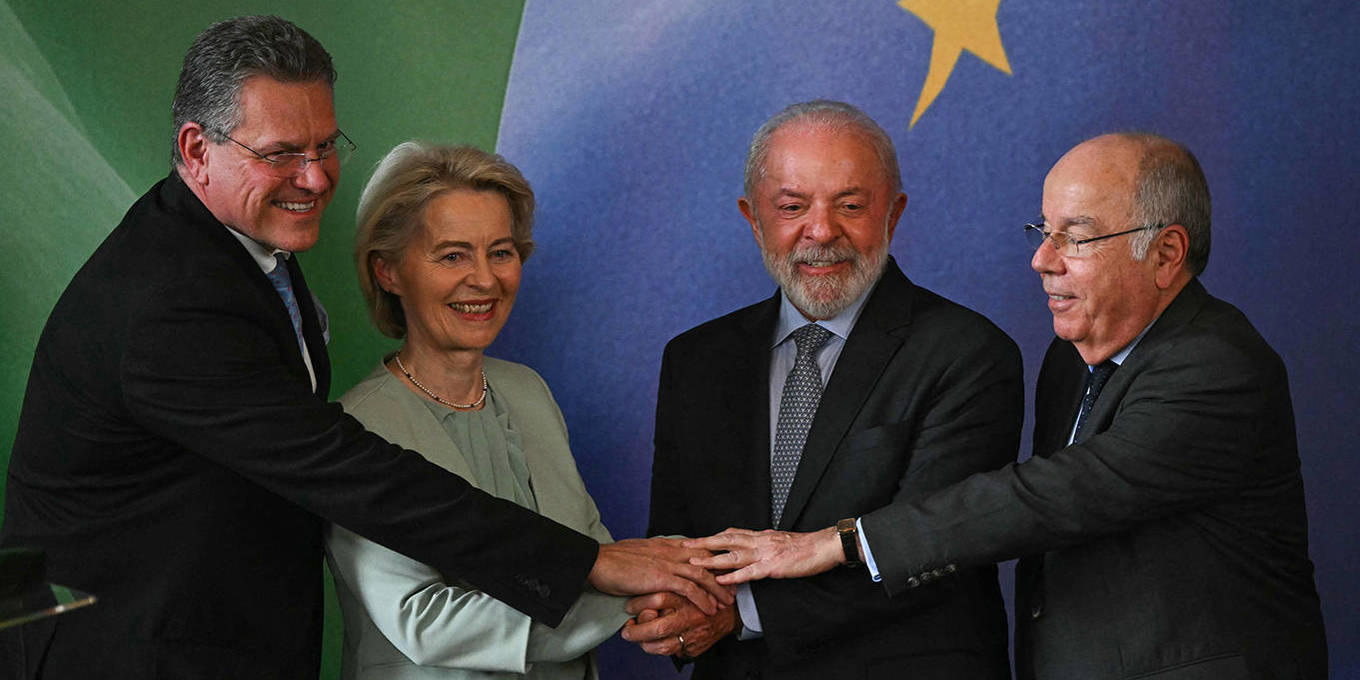
Shifting Global Power
Initially, growing distrust toward the United States and rising concern about China’s influence are reshaping politics and creating uncertainty across the global order.
The Emergence of Middle Powers
Consequently, leaders such as Mark Carney argue that middle powers must coordinate to protect shared interests within an increasingly polarized system.
Dominance of Major Powers
Meanwhile, the international system remains heavily shaped by competition between the United States and China, while Russia continues challenging global stability.
Protecting Multilateral Institutions
Therefore, coalitions including the European Union, India, Japan, Brazil, and Canada could strengthen global institutions.
Strengthening Global Governance
Furthermore, these coalitions could expand support for organizations like the United Nations, World Bank, International Monetary Fund, and World Trade Organization.
Limits of Institutional Reform
However, reform remains difficult because powerful states can block changes, particularly within bodies such as the United Nations Security Council.
Security Dependence on the United States
Nevertheless, most middle powers still rely on the United States for military coordination, intelligence cooperation, and weapons development.
Emerging Security Cooperation
Meanwhile, regional initiatives are developing, especially in Europe, partly driven by the consequences of Russia’s invasion of Ukraine.
Expanding Strategic Partnerships
Similarly, India has strengthened trade and security cooperation with European partners due to tensions with China and concerns about American reliability.
Rising Defense Autonomy
At the same time, states such as Japan, South Korea, Saudi Arabia, and Turkey could eventually pursue independent nuclear deterrence.
Economic Hedging Strategies
In contrast, economic cooperation offers more flexibility because global trade networks are less dominated by the United States and China.
Expanding Trade Agreements
For instance, recent agreements between the European Union and partners such as India and the Mercosur illustrate deeper economic integration.
Diversifying Supply Chains
Likewise, Brazil has begun redirecting rare-earth mineral supply chains toward partners like India to reduce dependence.
Collective Economic Defense
Additionally, middle powers could create agreements coordinating responses to tariffs or trade violations, resembling mutual defense principles found in alliances like NATO.
Technological Competition
However, technology cooperation remains difficult because innovation ecosystems are dominated by firms from the United States and China.
Artificial Intelligence Challenges
Consequently, fields like Artificial Intelligence leave middle powers with limited influence over technological standards and development strategies.
Possible Collaborative Innovation
Nevertheless, firms across Europe, Canada, and India could attempt building shared AI platforms and open technological ecosystems.
Diverse Interests Among Middle Powers
Still, cooperation faces obstacles because priorities differ significantly between Western states and countries across the Global South.
Engaging the Global South
Therefore, successful coalitions must address issues central to developing countries, including investment, debt management, climate finance, and technology access.
A Narrow Strategic Window
Ultimately, opportunities for middle powers to influence global governance may disappear if the United States and China consolidate dominance.
Strategic Urgency
Thus, coordinated action today determines whether middle powers shape global rules or become constrained by agreements imposed by larger powers.
Source:
Bremmer, I. (2025, November 19). The middle-power moment. Project Syndicate. https://www.project-syndicate.org/commentary/middle-powers-cooperation-global-order-by-ian-bremmer-2025-11