
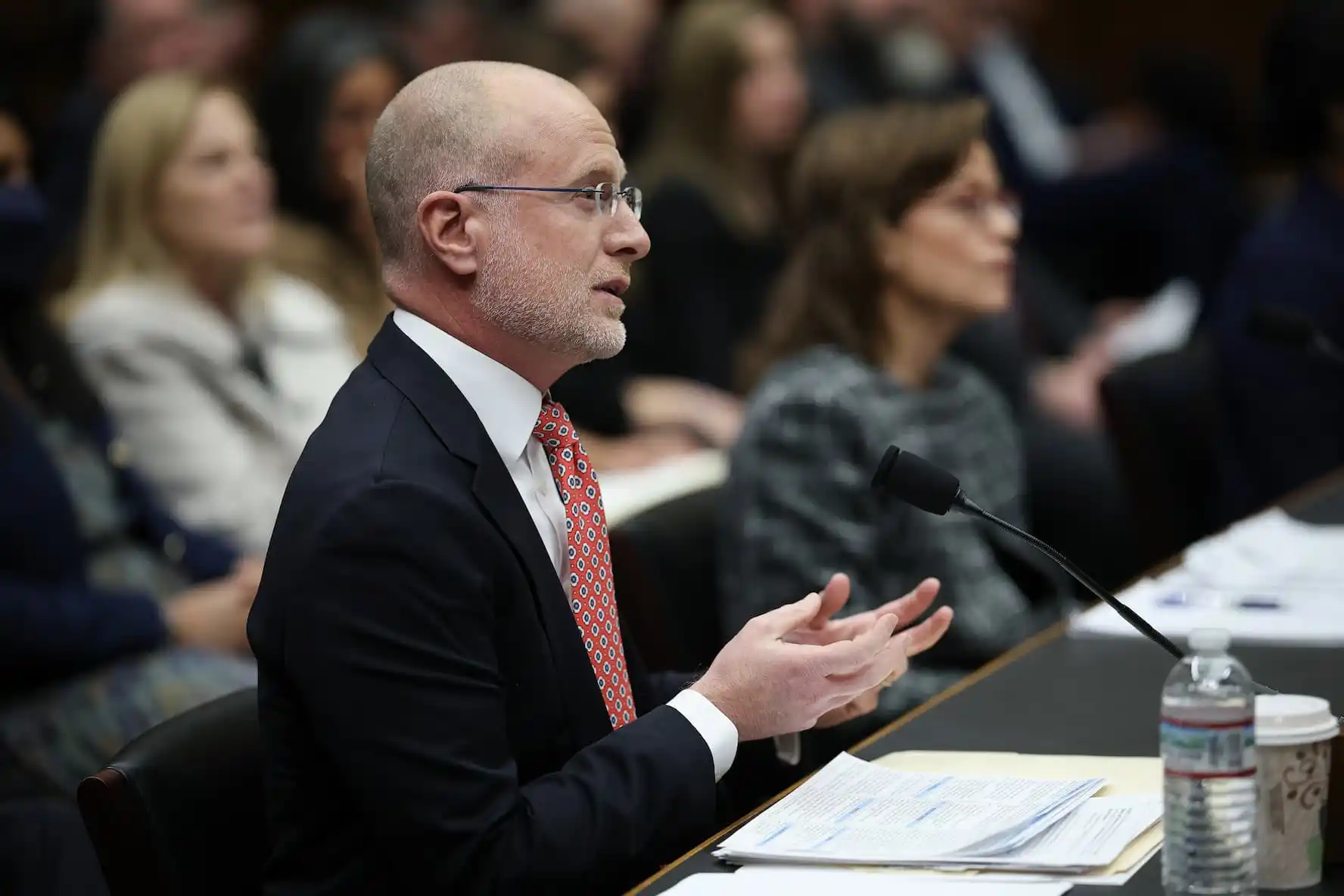
Shift in Agency Independence
The Federal Communications Commission (FCC) has fundamentally transformed its operational model under the current administration. Specifically, the agency abandoned its historical status as an independent policy body. Consequently, Chairman Brendan Carr publicly confirmed that the agency now directly follows executive oversight. Therefore, administrative decisions serve immediate political objectives rather than objective regulatory frameworks.
Retaliatory Actions Against ABC Broadcasting
The FCC implemented unprecedented measures targeting eight local broadcast stations owned by ABC. Specifically, regulators ordered these stations to submit to early license renewal reviews. However, the average remaining duration across these licenses exceeds four years. In response, ABC and its parent company filed a federal lawsuit alleging First Amendment violations. Consequently, legal experts argue this procedure creates a chilling effect on broadcast media speech.
Ownership Cap Repeal and Favoritism
The commission recently voted along party lines to repeal the 39% national television ownership cap. Specifically, the new framework replaces a clear statutory limit with discretionary, case-by-case evaluations. Furthermore, regulators granted a waiver to Nexstar Media to facilitate its expansion before formally eliminating the rule. As a result, critics assert that this decision grants exclusive privileges to politically aligned corporate entities.
Instrumentalization of the Public Interest Standard
Regulatory decisions under the current leadership demonstrate a systematic weaponization of administrative authority. Specifically, public interest mandates historically ensured balanced community representation. However, current enforcement mechanisms prioritize executive preferences while punishing unfavorable media outlets. Therefore, the agency’s recent policies risk eroding foundational protections for press freedom and market transparency.
Reference
Wheeler, T. (2026, September 4). The Trump FCC’s regulatory guile. Brookings Institution. https://www.brookings.edu/articles/the-trump-fccs-regulatory-guile/