
The United States has escalated its “maximum pressure” campaign against Cuba. By sanctioning the state-owned oil and gas company, Unión Cuba-Petróleo (CUPET). U.S. Secretary of State Marco Rubio characterized the firm as a tool for the government’s “repressive security apparatus”. Accusing Communist leaders of diverting energy resources for personal enrichment while the public suffers from chronic fuel shortages. Rubio also noted that CUPET’s assets were “unlawfully expropriated” from American owners during the 1960 nationalization of oil production. A move tracing back to the post-revolution fallout between the nations.
These sanctions tighten an ongoing de facto oil blockade initiated by the Trump administration in early 2026. The strategy first cut off energy exports from Venezuela and subsequently threatened tariffs against any third country shipping oil to Cuba. Because the island relies on imports for 60 percent of its oil. Its maritime energy trade has virtually evaporated; only a single Russian tanker has arrived since late January. The new measures freeze CUPET’s U.S. assets and bar any entity operating in the U.S. from doing business with the company. Drastically worsening an infrastructure crisis that caused two island-wide blackouts in March alone.
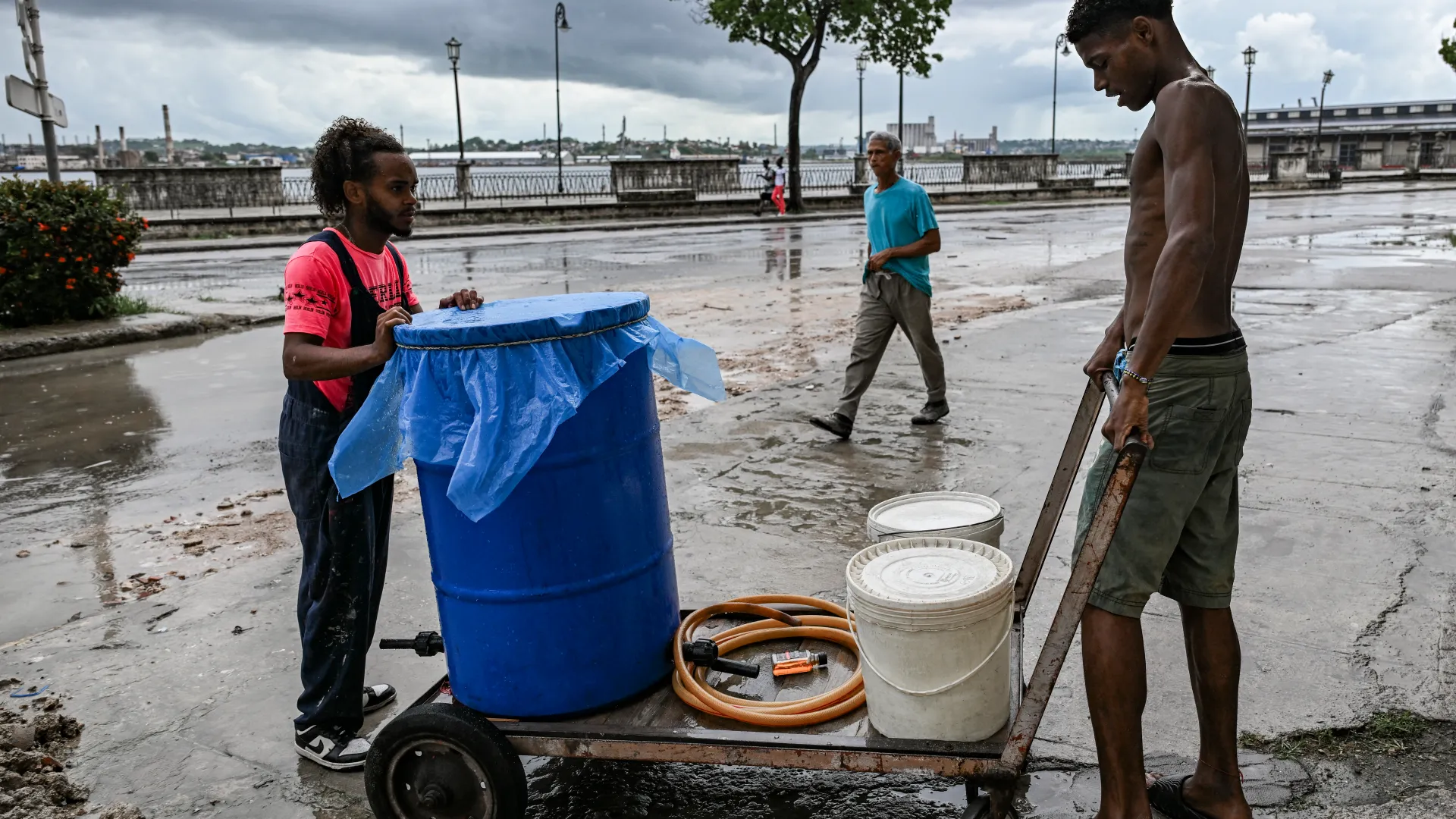
The humanitarian consequences of this campaign are severe. United Nations High Commissioner for Human Rights Volker Türk warned that the fuel restrictions directly harm vulnerable citizens. Noting that children are dying because doctors lack medical supplies and electricity. Despite this, the Trump administration blames the Cuban government for the crisis and has openly hinted at military action to force regime change. This rhetoric is matched by a military buildup in the Caribbean. Including the deployment of the aircraft carrier USS Nimitz and high-level visits to Guantanamo Bay by Defense Secretary Pete Hegseth. Who warned Cuba against making a “wrong decision.”
In conclusion, the sanctions against CUPET represent a decisive shift toward a total energy blockade. Intended to force the collapse of the Cuban regime. By targeting critical infrastructure during an existing energy crisis, the United States is leveraging severe economic pain and military positioning to dictate political outcomes. However, as the humanitarian toll rises and international human rights bodies condemn the extraterritorial scope of these measures. The strategy risks precipitating a severe regional crisis without a clear path toward peaceful transition.
Reference
Staff, A. J. (2026, June 11). Trump administration sanctions Cuba’s national oil company, blasts Castros. Al Jazeera. https://www.aljazeera.com/news/2026/6/11/trump-administration-sanctions-cubas-national-oil-company-blasts-castros