
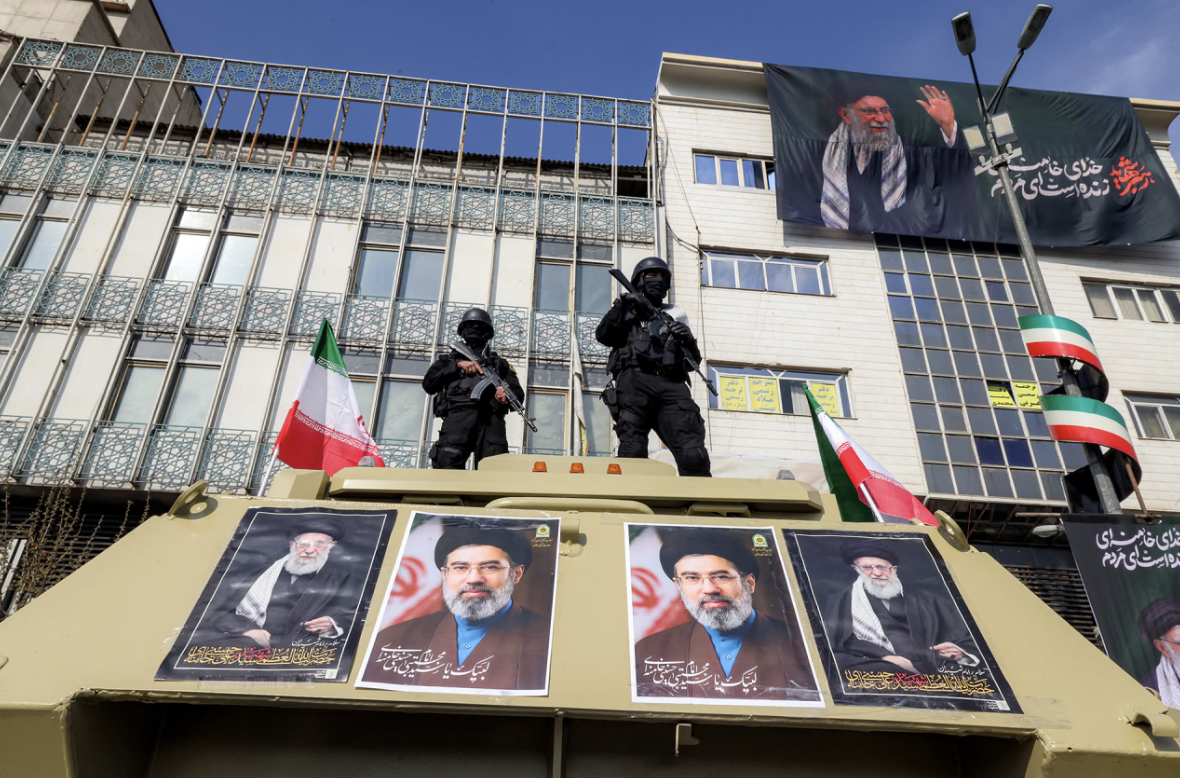
Strategic Dilemma in the Iran War
Initially, the United States joined Israel in a broad military campaign against Iran, raising questions about the war’s objectives and long-term political outcomes.
Consequently, the central challenge became whether military pressure could produce a stable and desirable political result after the conflict ends.
Two Possible Strategic Paths
First, one option involves weakening the Iranian regime without dismantling it, preserving institutions while replacing ideological leaders with more pragmatic figures.
Meanwhile, this strategy would constrain nuclear programs, missile development, and support for regional proxy groups through strict external pressure.
Alternatively, another option proposes overthrowing the Islamic Republic through sustained attacks, support for minorities, and encouragement of a nationwide uprising.
Risks of Regime Collapse
However, dismantling the regime could generate fragmentation, political chaos, and regional instability rather than democratic transformation.
Furthermore, Iran’s powerful security apparatus—including the Revolutionary Guard and large paramilitary networks—makes rapid regime collapse unlikely.
Similarly, domestic repression and the absence of a coordinated opposition limit the likelihood of a successful popular uprising.
Limits of Military Power
Moreover, airpower alone rarely topples governments, especially when no allied ground forces exist to control territory or institutions.
At the same time, arming ethnic minorities could ignite civil war and spread instability across neighboring states with similar populations.
Lessons From Past Interventions
Historically, forced regime change in Afghanistan, Iraq, Libya, and Syria produced insurgencies, civil wars, and long-term instability instead of stable governance.
Consequently, these precedents caution against assuming that removing authoritarian regimes automatically leads to democracy or peace.
Regional and Global Consequences
Meanwhile, prolonged conflict risks economic disruptions, including rising oil prices and instability in critical shipping routes.
Additionally, extended war could strain U.S. political support and divert attention from other geopolitical challenges.
Recommended Strategic Approach
Therefore, the preferred strategy involves neutralizing Iran’s military capabilities while preserving governing institutions and avoiding full regime collapse.
In practice, this approach would focus on degrading missile systems, nuclear infrastructure, and command networks while maintaining diplomatic communication channels.
Long-Term Political Evolution
Ultimately, political transformation in Iran is more likely to emerge gradually from internal dynamics rather than external military intervention.
Thus, weakening the regime while avoiding state collapse offers a more stable path for regional security and future political change.
Source:
Council on Foreign Relations. (2026). Trump should defang Iran’s government, not destroy it. https://www.cfr.org/articles/trump-should-defang-irans-government-not-destroy-it