
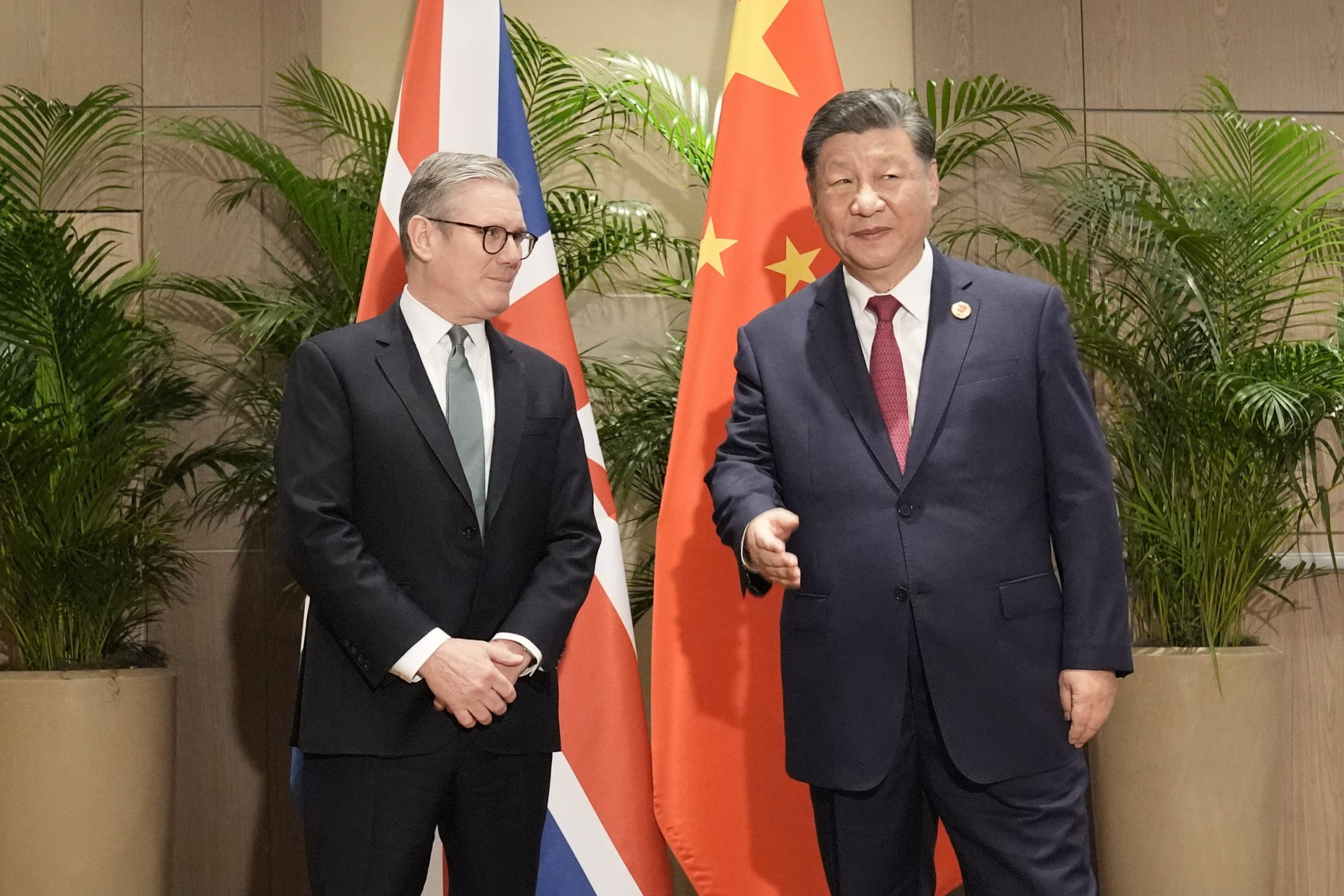
The recent easing of tensions between the United Kingdom and China marks a definitive end to a prolonged diplomatic “ice age”. Driven by British Foreign Secretary Yvette Cooper’s strategy of engagement built on “candour and respect.” This diplomatic shift has yielded tangible policy updates. Including Beijing granting visa-free travel to British citizens and lifting retaliatory sanctions on six British parliamentarians. Concurrently, London has approved a long-delayed, high-security Chinese “super embassy” in the heart of the capital. Obviously, signaling a mutual willingness to reopen vital channels of communication.
In addition, this strategic pivot reflects a broader reality. Despite profound political differences, the West remains fundamentally reliant on China’s economic engine. Interdependence is highly pronounced in high-value sectors like pharmaceuticals and financial services. In short, where Western firms rely heavily on Chinese supply chains and market access. Furthermore, as Western nations push toward a green transition, China’s massive lead in affordable renewable technology and electric vehicles. Makes it an indispensable partner in global climate goals. Pragmatists argue that complete economic “de-risking” or isolation is impossible. By forcing the West to adopt a business-first strategy that separates trade from ideological disputes.
However, this thawing of relations has triggered intense backlash from political opponents and human rights defenders. Critics accuse the government of prioritizing corporate financial gains over fundamental Western security and moral values. A central point of contention remains the continued detention of British citizen Jimmy Lai. Who was recently convicted under Hong Kong’s national security laws. Opponents highlight that the government failed to secure his release or extract human rights concessions. Before granting Beijing diplomatic victories like the London embassy approval. Additionally, security agencies continue to sound alarms over persistent Chinese espionage networks and infrastructure vulnerabilities.
Ultimately, the relationship demonstrates the intricate balancing act the West must perform on the global stage. While geopolitical rivalry and human rights violations demand a cautious stance. Moreover, the sheer gravity of China’s economic and manufacturing output forces Western leadership back to the negotiating table. This tension is best encapsulated by Chinese President Xi Jinping’s warning. That Western powers must learn to “see the entire elephant” when dealing with Beijing. In conclusion, acknowledging that cooperation on mutual global challenges must coexist with systemic rivalry.
Reference
Marsi, F. (2026, June 3). UK-China ‘ice age’ thaws: Why the West needs Beijing. Al Jazeera. https://www.aljazeera.com/news/2026/6/3/uk-china-ice-age-thaws-why-the-west-needs-beijing