
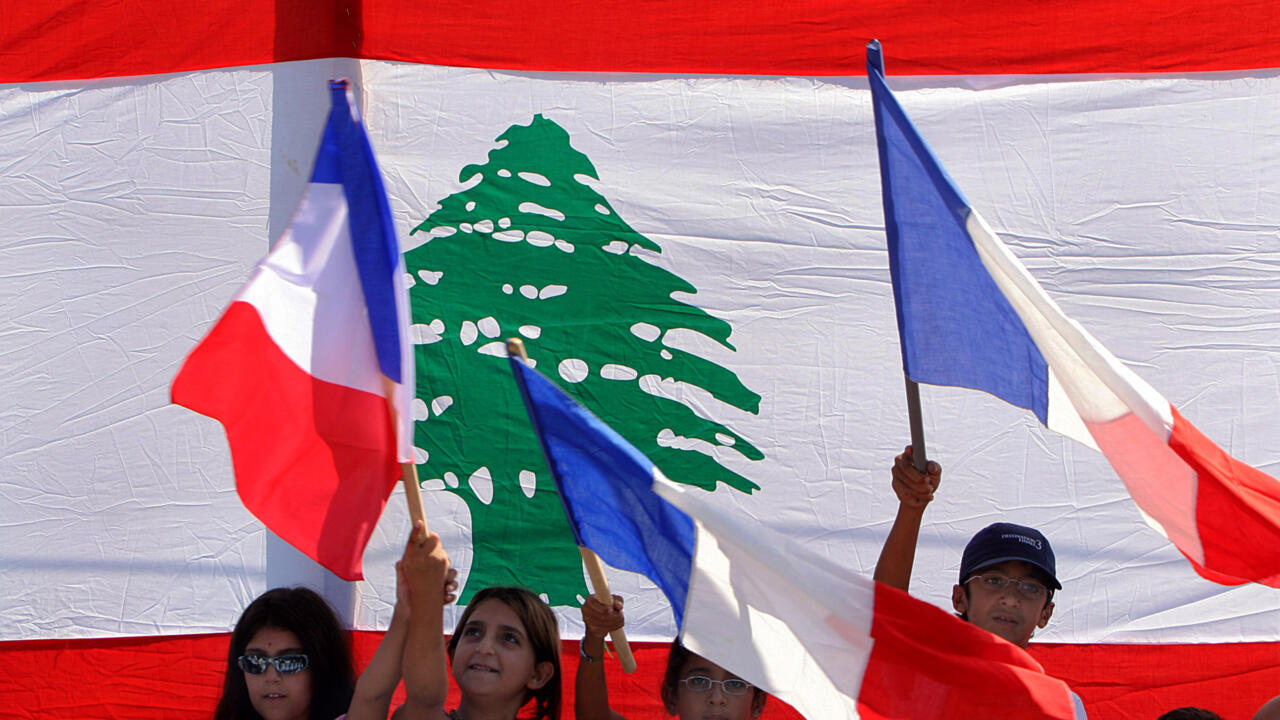
The upcoming visit of French special envoy Jean-Yves Le Drian to Beirut underscores Paris’s ongoing efforts. To restore its diminishing diplomatic influence in Lebanon. France’s deep investment in the country is rooted in centuries-old ties dating back to the French Mandate. Which established strong cultural, linguistic, and political alliances, particularly within Lebanon’s Christian communities. Strategically, Paris views Lebanon as an indispensable foothold in the eastern Mediterranean. Further, to maintain leverage over regional issues like energy, migration, and Euro-Arab relations. Economically, French giants like TotalEnergies and shipping firm CMA CGM. This one’s hold major stakes in Lebanese gas exploration and logistics. Ultimately, France fears that a total collapse of Lebanese state institutions would create a power vacuum eagerly filled by rival regional or international actors.
Despite these deep historical and economic ties, France is increasingly finding itself sidelined by the United States. While France favors traditional, status-quo-maintaining diplomatic approaches, Washington has taken a much more assertive and direct role. With high-level U.S. interventions negotiating ceasefires, managing threats of Israeli airstrikes on Beirut, and interacting directly with local political factions. Furthermore, France’s leverage is heavily restricted. This because its relations with Israel have deteriorated over the wars in Gaza and southern Lebanon, leaving Paris with virtually no influence to push Israel toward a ceasefire. Observers note that French decision-makers recognize they are no longer leading the initiatives regarding Lebanon’s future. Moreover, which now primarily flow through Washington or Gulf capitals.
In addition, to prevent complete marginalization and preserve its remaining influence. France is heavily relying on soft power, humanitarian aid, and institutional support. Paris recently provided 17 million euros in aid to assist displaced civilians caught in the ongoing conflict between Israel and Hezbollah. Crucially, France’s most significant remaining geopolitical leverage. Is its leading role in the United Nations Interim Force in Lebanon (UNIFIL) peacekeeping mission, which has been active since 1978. Because UNIFIL’s mandate is set to expire at the end of the year, French officials are actively exploring options. This for a successor multinational force that would ensure Paris retains a vital security role in the region. By continuously backing the Lebanese army and maintaining a dense network of decades-old relationships. Obviously, France aims to position itself as an indispensable communication bridge between Lebanese leaders, Europe, and global institutions.
In conclusion, France’s intense involvement in Lebanon reflects a desperate bid to preserve its historic cultural and economic foothold in the Middle East. In short, while preventing regional rivals from filling a dangerous power vacuum. However, Paris is increasingly being sidelined by the United States’ more assertive diplomacy. Leaving France to rely on soft power, humanitarian aid, and its leading role in the UNIFIL peacekeeping mission to maintain relevance. Ultimately, the future of Lebanon is increasingly being decided in Washington and Gulf capitals. In conclusion, leaving France fighting an uphill battle to remain an indispensable player in its former mandate.
Reference
Magee, C. (2026, June 3). Why is France so invested in the future of Lebanon? Al Jazeera. https://www.aljazeera.com/news/2026/6/3/why-is-france-so-invested-in-the-future-of-lebanon