
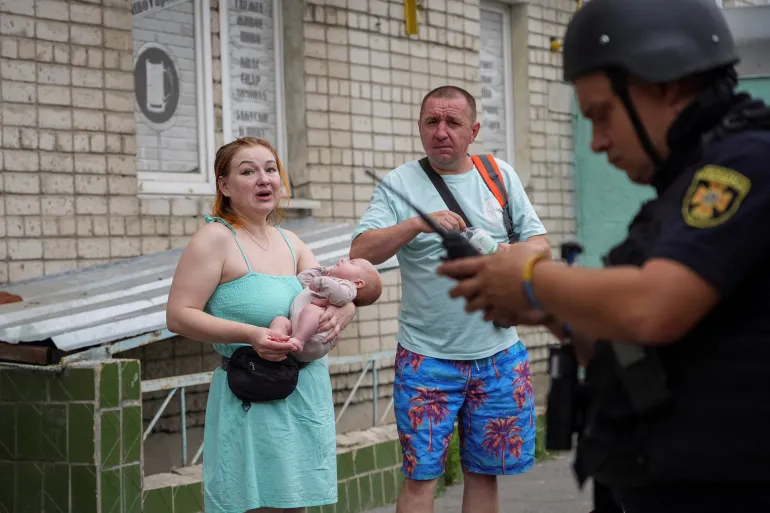
Ukraine’s announcement that it has liberated additional territory in the Dnipropetrovsk region marks an important development in the ongoing war with Russia. According to Ukrainian authorities, 26 settlements have been recaptured as part of a broader effort to regain control of strategically significant areas. These advances demonstrate Kyiv’s determination to continue counteroffensive operations despite the prolonged nature of the conflict. At the same time, they highlight the evolving dynamics of the battlefield, where territorial gains remain closely tied to broader military and political objectives.
The Strategic Importance of Dnipropetrovsk
The Dnipropetrovsk region occupies a crucial position within Ukraine’s defense and logistics network. Its proximity to active front lines has made it a key area for military operations and supply routes. Consequently, the liberation of settlements in the region carries significance beyond immediate territorial control, as it may strengthen Ukraine’s operational flexibility and reinforce its defensive posture. For Ukrainian officials, these gains also serve as evidence that sustained military support and strategic planning can produce tangible results on the ground.
Russia’s Escalating Missile Campaign
While Ukraine has reported progress in reclaiming territory, Russia has intensified its missile and drone attacks across the country. Recent strikes have targeted infrastructure and urban areas, causing damage and raising concerns about civilian security. Furthermore, the continued use of ballistic missiles reflects Moscow’s effort to offset battlefield setbacks through long-range attacks capable of disrupting Ukraine’s military and economic resilience. As a result, the conflict increasingly combines conventional territorial warfare with sustained pressure on critical national infrastructure.
Challenges Beyond the Front Line
Despite recent military successes, Ukraine continues to face significant defensive challenges. President Volodymyr Zelenskyy has emphasized the urgent need for additional air-defense systems, particularly Patriot interceptor missiles, to counter Russia’s expanding missile campaign. Moreover, the growing frequency of aerial attacks places additional strain on Ukraine’s resources and civilian protection efforts. These realities demonstrate that battlefield advances alone are unlikely to determine the course of the war, as the country must simultaneously defend its population and maintain operational momentum.
A War Far From Resolution
The developments in Dnipropetrovsk illustrate the complex and evolving nature of the conflict. On one hand, Ukraine’s territorial gains demonstrate its ability to challenge Russian positions and recover occupied areas. On the other hand, the intensification of missile strikes underscores the continuing risks faced by both military forces and civilians. Ultimately, the situation highlights how progress on the battlefield does not necessarily translate into greater stability, reinforcing the uncertainty that continues to define the war’s future trajectory.
Reference:
Al Jazeera. (2026, August 14). Russian ballistic attacks intensify as Kyiv claims Dnipropetrovsk advance. Al Jazeera. https://www.aljazeera.com/news/2026/8/14/ukraine-liberates-dnipropetrovsk-as-russia-intensifies-missile-attacks