
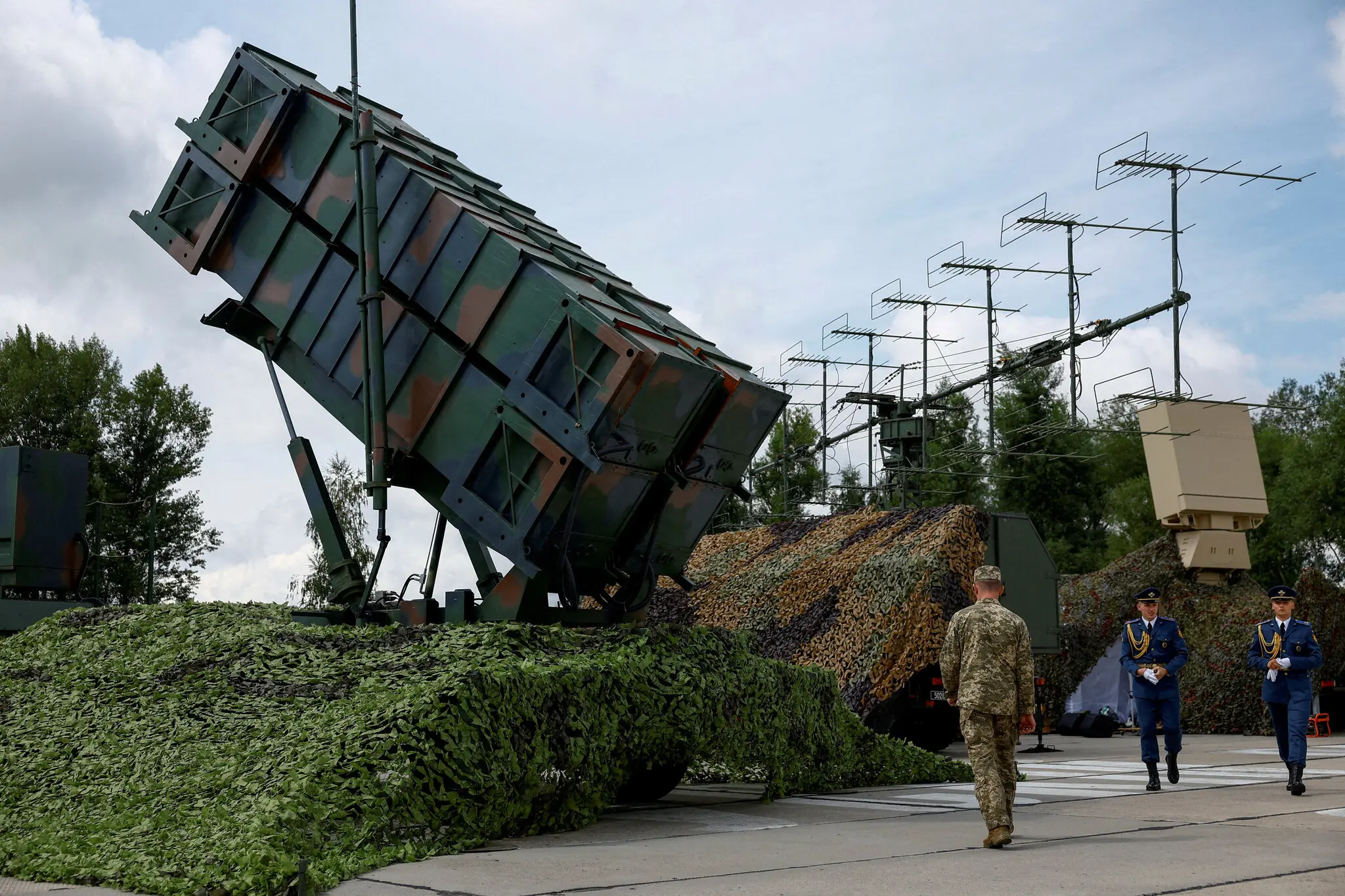
Recent reporting on Ukraine´s diminishing stockpile of Patriot missile interceptors highlights a critical challenge facing both Kyiv and its Western partners. While international attention often focuses on battlefield developments, the article underscores a less viable but equally significant dimension of modern warfare, namely the sustainability of military assistance and the capacity to maintain advanced defense systems over time.
Patriot systems have become one of Ukraine’s most valuable defensive assets, particularly against Russian ballistic missile attacks. Their effectiveness has contributed significantly to the protection of major urban centers and critical infrastructure. However, the article notes that the supply of interceptors is becoming increasingly strained, raising concerns about Ukraine’s ability to sustain its current level of air defense in the face of continued Russian attacks.
Beyond the immediate military implications, this development reveals the broader strategic pressures confronting Western governments. Since the beginning of the war, the United States and its allies have provided Ukraine with sophisticated military equipment designed to enhance its defensive capabilities. Yet advanced weapons systems are only as effective as the logistical networks that support them. The growing shortage of Patriot interceptors demonstrates that modern conflicts are not solely determined by technological superiority but also by industrial capacity, production timelines, and the availability of critical resources.
The issue also reflects the changing nature of contemporary warfare. Air defense systems are designed to protect against high-value threats, but they can be placed under considerable strain when faced with sustained and repeated attacks.
Furthermore, the situation illustrates how war in Ukraine continues to test the resilience of Western security commitments. Military assistance has become a central pillar of Ukraine’s defense strategy, but maintaining that support requires continuous political, financial and industrial investment. The shortage of Patriot interceptors raises questions about whether existing productions capacities are sufficient to meet the demands of prolonged high intensity conflict.
From a broader international perspective, the issue serves as a reminder that security challenges in the 21st century extend beyond the battlefield. The ability of states and alliances to sustain military support over time may prove just as important as the weapons themselves. As the conflict enters another prolonged phase, the availability of critical defensive resources such as Patriot interceptors will likely remain a key factor shaping both Ukraine’s security and the credibility of Western support.
Reference:
Barnes, J. E. (2026, June 13). Ukraine is running low on Patriot interceptors as Russia intensifies attacks. The New York Times. https://www.nytimes.com/2026/06/13/world/europe/ukraine-russia-patriot-interceptors.html