
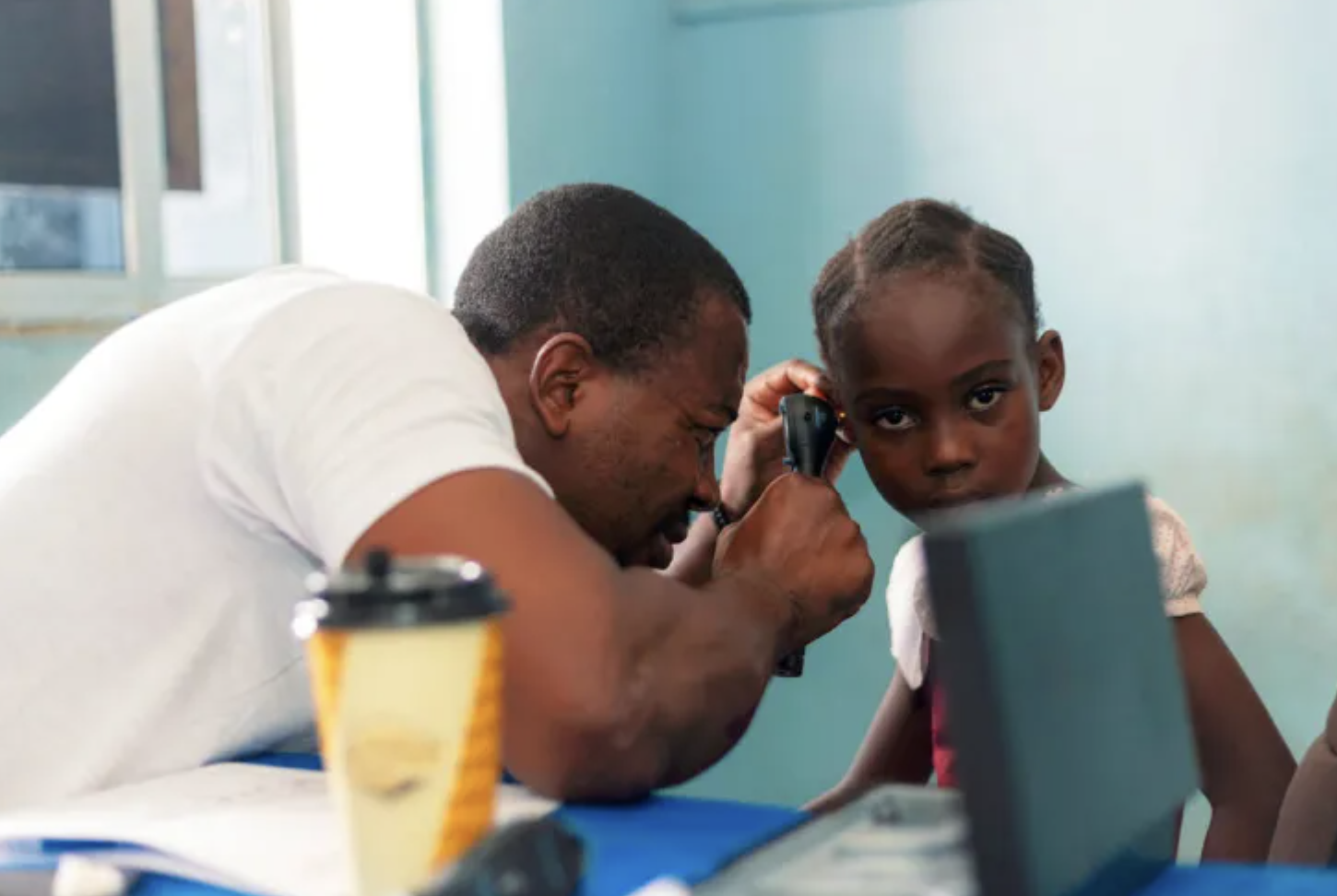
Ghana faces a $78.2 million health funding gap. The shortfall follows the suspension of USAID programmes. In total, the country has lost $156 million across several health areas. These include malaria prevention, maternal care, nutrition, family planning, and HIV services. Routine immunisation systems are now under threat.
Ghana was one of the first African nations to roll out the malaria vaccine. In Ghana, Kenya, and Malawi, the vaccine cut child deaths by 13 percent. But the vaccine alone is not enough. Health workers must still track children, follow up on missed doses, and deliver vaccines safely. That work is now in jeopardy.
A study in northern Ghana found that 75 percent of districts reported vaccine delays. Supplies were also irregular. The study flagged problems with cold-chain equipment, delivery kits, and fuel. The Oti Region is particularly vulnerable. Many communities there are remote and hard to reach. In 2025, Oti had 85.3 percent basic vaccine coverage. But full national schedule coverage stood at just 62.1 percent.
Some officials view the funding loss as a wake-up call. One government official, speaking anonymously to Al Jazeera, said he had long opposed African reliance on Western aid. He called the USAID freeze a chance for Ghana to “put its house in order” and use its own resources.
George Kwame Egeh, cofounder of the Humserve Africa Foundation, agrees. His group has long pushed for local funding. He believes civil society can help bridge the gap.
But private money cannot quickly replace public health infrastructure. This is especially true in remote areas. Mark Appiah chairs the Oti Regional Health Committee. He fears funding pressures will hurt outreach, transport, and vaccination campaigns. “A child should not lose protection against a preventable disease because the health system is experiencing a financing problem,” he said.
Ghana is already transitioning away from Gavi support. It is expected to fully fund its own immunisation programme by 2030. But Gavi is also under financial strain. This puts Ghana in a difficult position. One problem is the immediate US funding cut. The other is the long-term need to cover more costs.
The government has removed caps on National Health Insurance Scheme funding. It is also backing local vaccine production. However, these changes will take time.
Reference
Al Jazeera, “US aid cuts threaten Ghana’s child immunisation gains,” published August 28, 2026. https://www.aljazeera.com/news/2026/8/28/us-aid-cuts-threaten-ghanas-child-immunisation-gains