
Pageantry and Missed Objectives
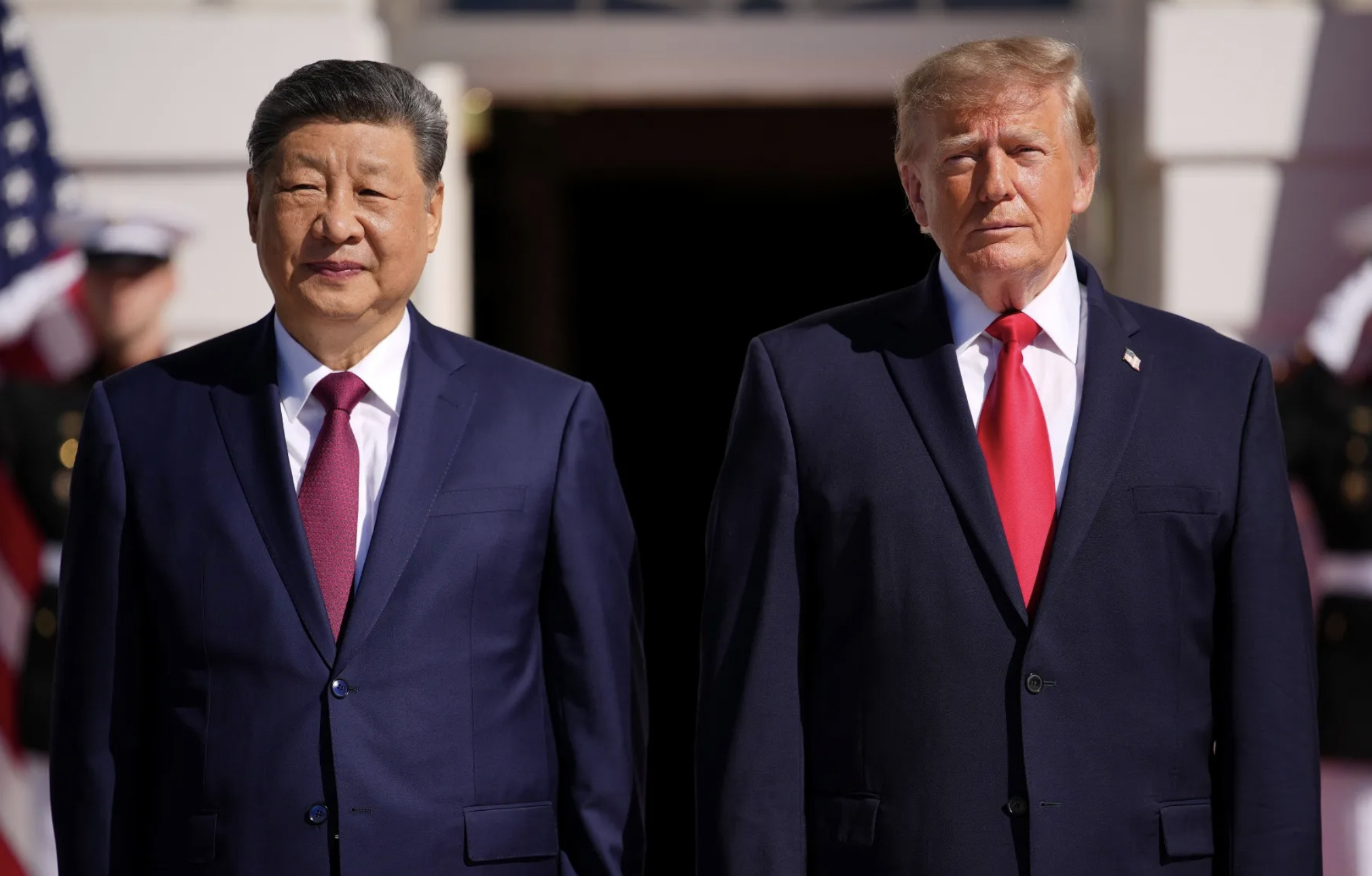
Currently, analysts conclude that the recent state visit between Donald Trump and Xi Jinping prioritized diplomatic pageantry over substantive progress. Specifically, the American president focused heavily on extending lavish hospitality rather than addressing pressing policy details. Furthermore, Washington completely failed to resolve major issues like removing impediments to critical mineral flows. Consequently, experts warn that China greatly benefits from this glaring lack of American strategic vision. Ultimately, incremental short-term dealmaking actively serves Beijing’s geopolitical interests much more than Washington’s.
Superficial Bilateral Agreements
Meanwhile, the diplomatic machinery emerging from these summits creates merely an illusion of broader progress. For instance, the leaders only managed to secure another basic extension of the ongoing trade truce. In addition, they officially launched a new Board of Trade and scheduled future artificial intelligence dialogues. Indeed, critical discussions regarding structural economic excess capacity and technological competition remain largely unsettled. Therefore, many observers fear these bilateral bargains simply substitute for addressing deep-rooted systemic challenges.
Alienating Key Global Allies
Moreover, the summit’s overall optics severely undercut vital American partners across Europe and Asia. In fact, Trump shocked international observers by bizarrely offering to sell advanced American weapons directly to China. Instead of coordinating with European allies on trade issues, Washington pursued isolated bilateral negotiations with Beijing. Similarly, Japanese officials felt completely sidelined as the United States regaled Xi with unprecedented diplomatic protocol. Ultimately, this highly questionable performance raises fresh concerns regarding Washington’s continuing reliability among allied nations.
Taiwan and Future Relations
On the other hand, Taiwan remains an incredibly sensitive flashpoint within the broader bilateral relationship. For example, Xi explicitly asked Trump to formally oppose any future possibility of Taiwanese independence. However, the American president reportedly declined this request to avoid making a unilateral diplomatic concession. Additionally, recent polling reveals that younger Americans are becoming increasingly reluctant to defend Taiwan militarily. In conclusion, if this generational shift sustains, it will profoundly reshape future bilateral relations beyond any summit.
Reference
Czin, J. A., Heerman, K., Sisson, M. W., O’Hanlon, M. E., Solís, M., Hass, R., Moore, S. M., Thornton, S. A., Felbab-Brown, V., & Sun, Y. (2026, September 30). What did the Trump-Xi summit actually accomplish?Brookings. https://www.brookings.edu/articles/what-did-the-trump-xi-summit-actually-accomplish/