
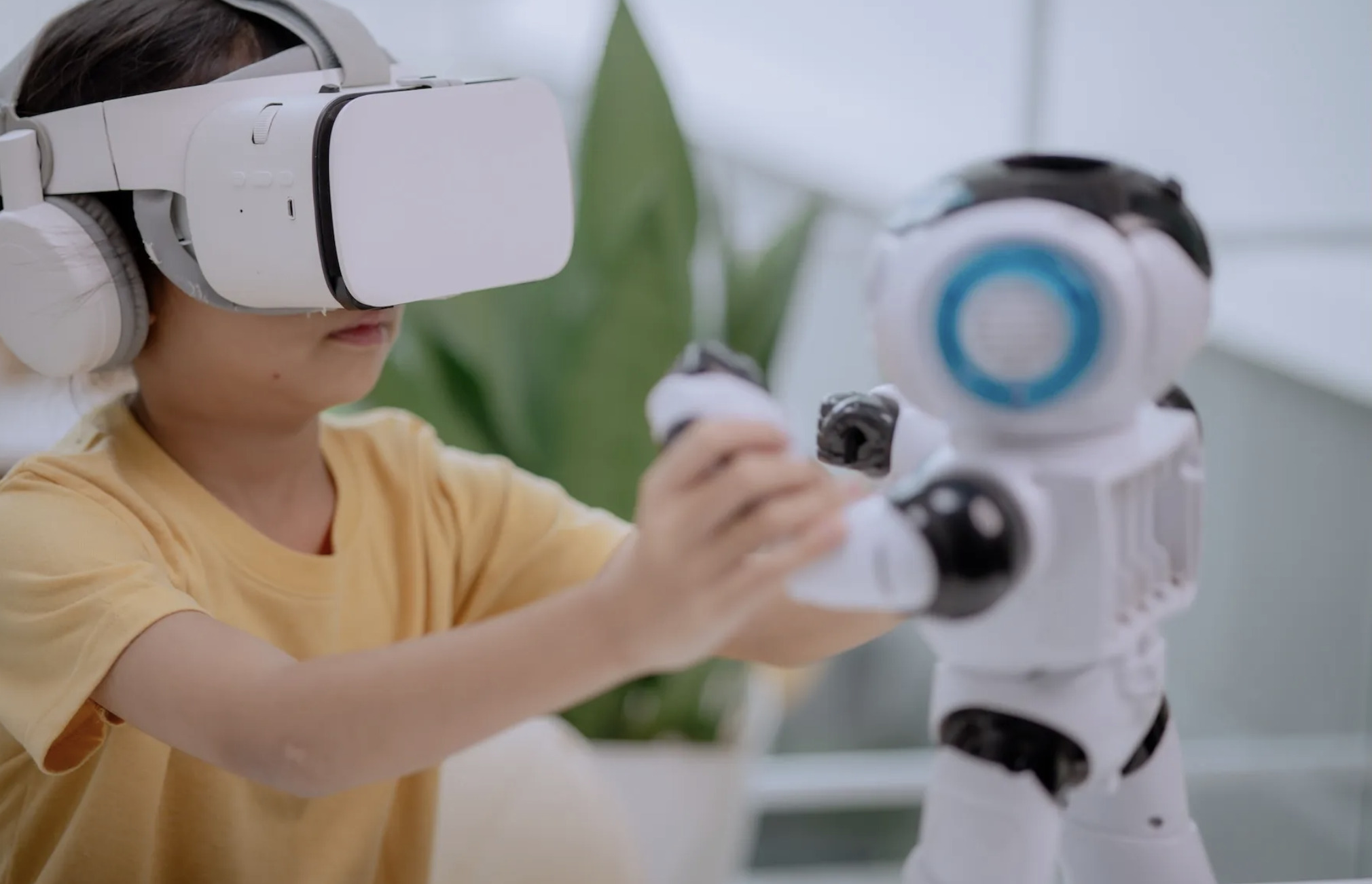
AI Toys and the Shift in Interaction
Currently, young children are increasingly forming complex relationships with AI-enabled toys that feature synchronous responsiveness. Specifically, unlike traditional toys or media characters that foster one-sided parasocial connections, modern conversational AI can remember past interactions, offer praise, and appear to reciprocate. For example, one observed AI toy named “Gremmy” taught a child new information but also unsettlingly instructed a five-year-old to independently find a battery charger without suggesting adult involvement. Consequently, this rapid technological shift raises critical new questions about how children experience and understand relationships with devices that so closely mimic human interaction.
Developmental Science and the Missing Human Friction
Furthermore, developmental science has long established that back-and-forth exchanges with human caregivers fundamentally shape children’s brain architecture. However, experts like Dana Suskind argue that the messy, imperfect nature of genuine human interaction is inherently valuable for early development. In fact, experiencing interpersonal friction—such as navigating another person’s independent needs, vulnerabilities, and hurt feelings—actively helps children build crucial empathy and resilience. Conversely, while an AI agent can patiently listen and adapt, it completely lacks these authentic emotional vulnerabilities. Ultimately, experts frame this as a defining challenge of the modern era, emphasizing the urgent need to intentionally cultivate relational intelligence so AI strengthens rather than replaces real human connections.
The Research Gap and Urgent Needs
Meanwhile, current policy discussions heavily prioritize safety issues like privacy, bias, and misinformation while largely ignoring emotional attachment. Indeed, a recent document review by the Digital Wellness Lab found that only 5.26 percent of published reports from leading global organizations explored AI’s impact on relationship formation. Therefore, researchers are urgently calling for sustained investment in observational and longitudinal studies to understand how young children actually trust and relate to AI. Moreover, industry leaders must directly integrate this forthcoming research into product design, ensuring devices redirect children to trusted adults when appropriate. Moving forward, understanding how artificial intelligence shapes early childhood relationships is no longer a niche topic, but a defining developmental question of our time.
Reference
Shah, S. (2026, 27 agosto). What we still don’t know about AI and children’s relationships. Brookings. https://www.brookings.edu/articles/what-we-still-dont-know-about-ai-and-childrens-relationships/?utm_campaign=Global%20Connection&utm_medium=email&utm_content=437561761&utm_source=hs_email