
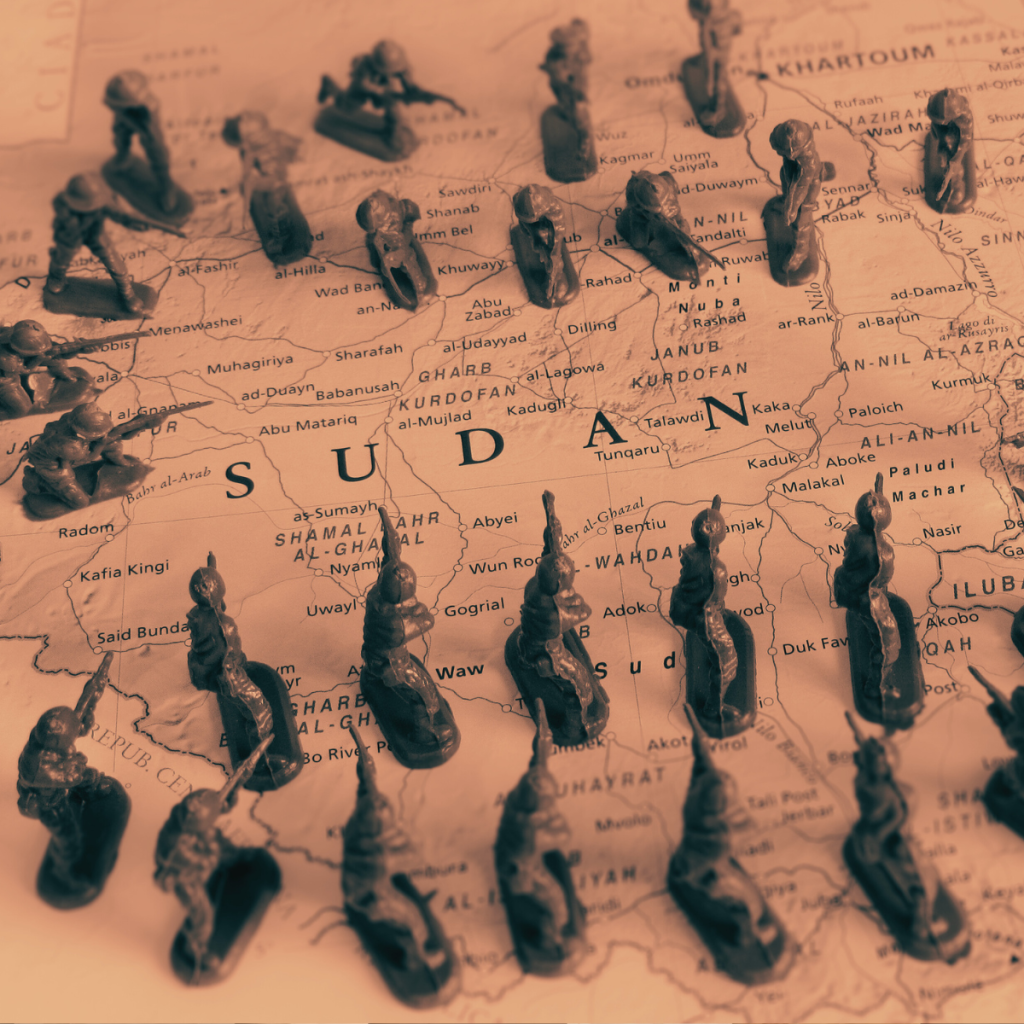
As severe fighting between the Sudanese Armed Forces and the Rapid Support Forces continues to displace millions, achieving a Sudan conflict peace resolution requires coordinated international diplomacy and enforced ceasefires. A panel report on Al Jazeera’s Inside Story examined why prior negotiation rounds failed to stop widespread human rights abuses and severe famine. Consequently, regional experts emphasize that diplomatic pressure must target foreign sponsors fueling the conflict to achieve meaningful peace negotiations.
Foreign Intervention and Diplomatic Hurdles
The ongoing civil conflict has created one of the world’s largest humanitarian and displacement crises, overwhelming relief agencies across East Africa. Panelists noted that competing geopolitical interests among regional powers hamper international peace initiatives.
“Without stopping the flow of external weapons and holding military commanders accountable, diplomatic promises will fail to protect civilians on the ground,” stated international conflict analysts.
Specifically, international mediators are urging regional bodies like the African Union and IGAD to coordinate unified peace terms.
Humanitarian Corridors and Civilian Protection
Furthermore, establishing secure humanitarian corridors remains a critical priority for delivering emergency food and medical supplies to isolated communities. Human rights organizations stress that civilian protection must precede long-term political governance talks.
Therefore, sustained multilateral sanctions against conflict financiers remain vital for ending hostilities. Moving forward, unified international action will determine whether Sudan can achieve lasting peace and institutional stability.
Al Jazeera. (2026, July 28). What will it take to stop the conflict in Sudan?. Al Jazeera Media Network – Inside Story. https://www.aljazeera.com/video/inside-story/2026/7/28/what-will-it-take-to-stop-the-conflict-in-sudan