
Public Opinion Shifts and Political Campaigns
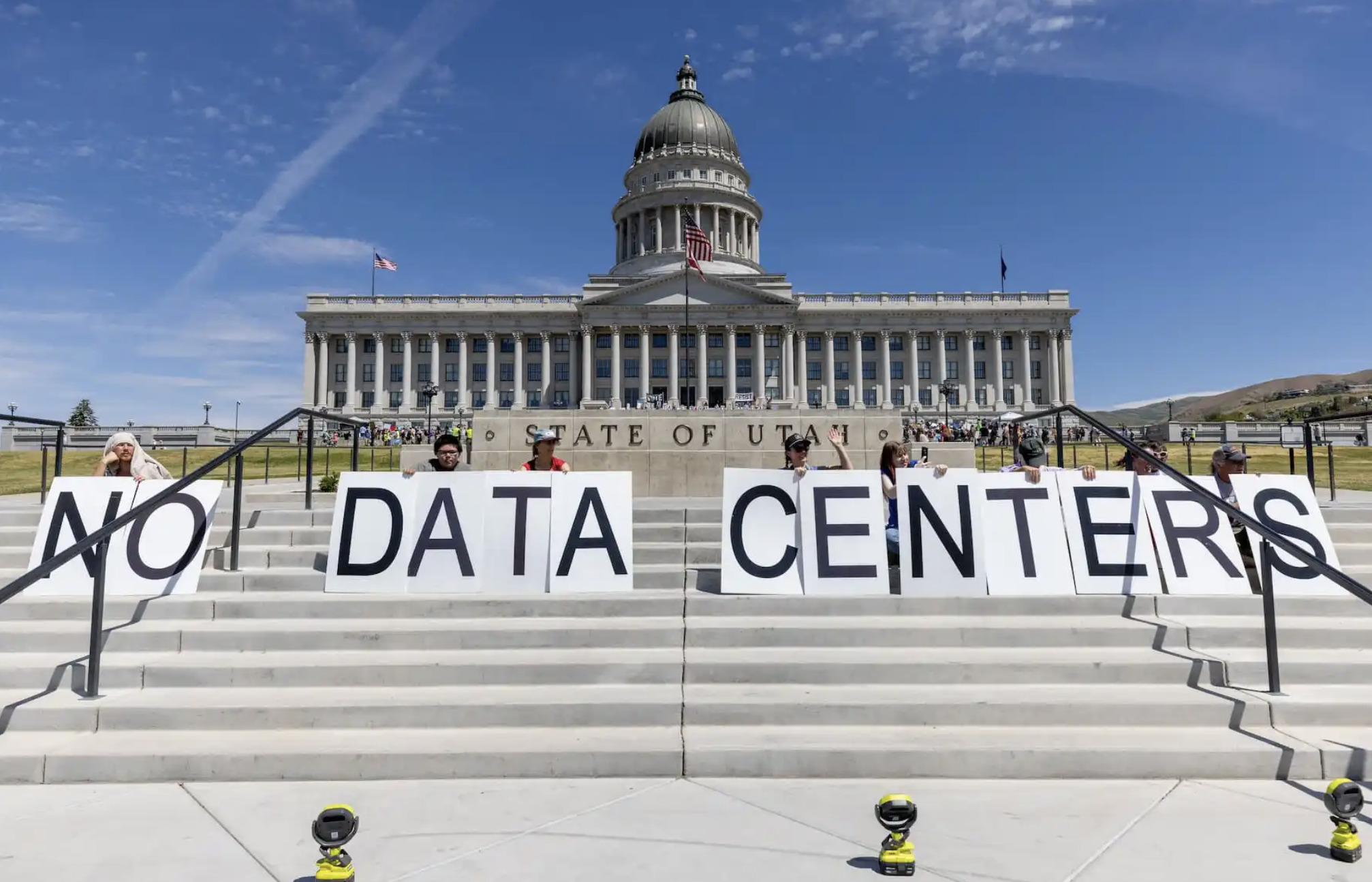
Currently, the intense focus on data centers dominates highly competitive political races, such as the Ohio Senate campaign. Specifically, Democratic candidate Sherrod Brown is actively running ads calling Republican incumbent Jon Husted the face of data centers due to his prior support for industry tax breaks. In fact, public opinion has shifted dramatically from cautious optimism to outright opposition. For example, recent surveys indicate that 64 percent of respondents oppose building data centers rapidly, while 77 percent worry about increasing electricity rates. Consequently, candidates across both parties, including leaders in Texas and Pennsylvania, are quickly adopting critical stances and imposing new executive restrictions to address these intense community concerns.
Affordability Concerns and AI Fears
Furthermore, these growing public concerns resonate deeply because they directly tie into broader affordability issues. Frequently, voters link higher electric bills and an increased overall cost of living directly to massive data center construction. Additionally, these physical facilities serve as a convenient proxy for widespread existential fears regarding artificial intelligence. Particularly, individuals worry heavily about AI taking jobs and leaving everyday people behind. At the same time, record income inequality and the perception that tech billionaires pay relatively low tax rates actively fuel a massive “techlash.” Therefore, it is much easier for communities to gin up local opposition against data center permits than to fight global AI rollouts controlled by powerful tech firms.
Future Implications for Business Investments
Looking ahead, the way these specific concerns play out in the midterms could dramatically alter the long-term policy landscape. If high-profile backers of data centers lose their upcoming elections, politicians will likely embrace widespread moratoriums, pauses, and audits. Evidently, a severe slowdown in regional construction would drastically affect the core business models currently embraced by major tech firms. Since these massive companies have invested hundreds of billions of dollars assuming rapid AI adoption, any regulatory pause seriously challenges their future revenue expectations. Ultimately, because recent stock market gains depend heavily on the valuations of a few large tech firms, this sudden shift in public opinion could trigger momentous financial ramifications for the entire economy.
Reference
West, D. M., & Lee, N. T. (2026, 25 agosto). Why data centers are a top issue in the 2026 midterms. Brookings. https://www.brookings.edu/articles/why-data-centers-are-a-top-issue-in-the-2026-midterms/?utm_campaign=Brookings%20Brief&utm_medium=email&utm_content=435481405&utm_source=hs_email