
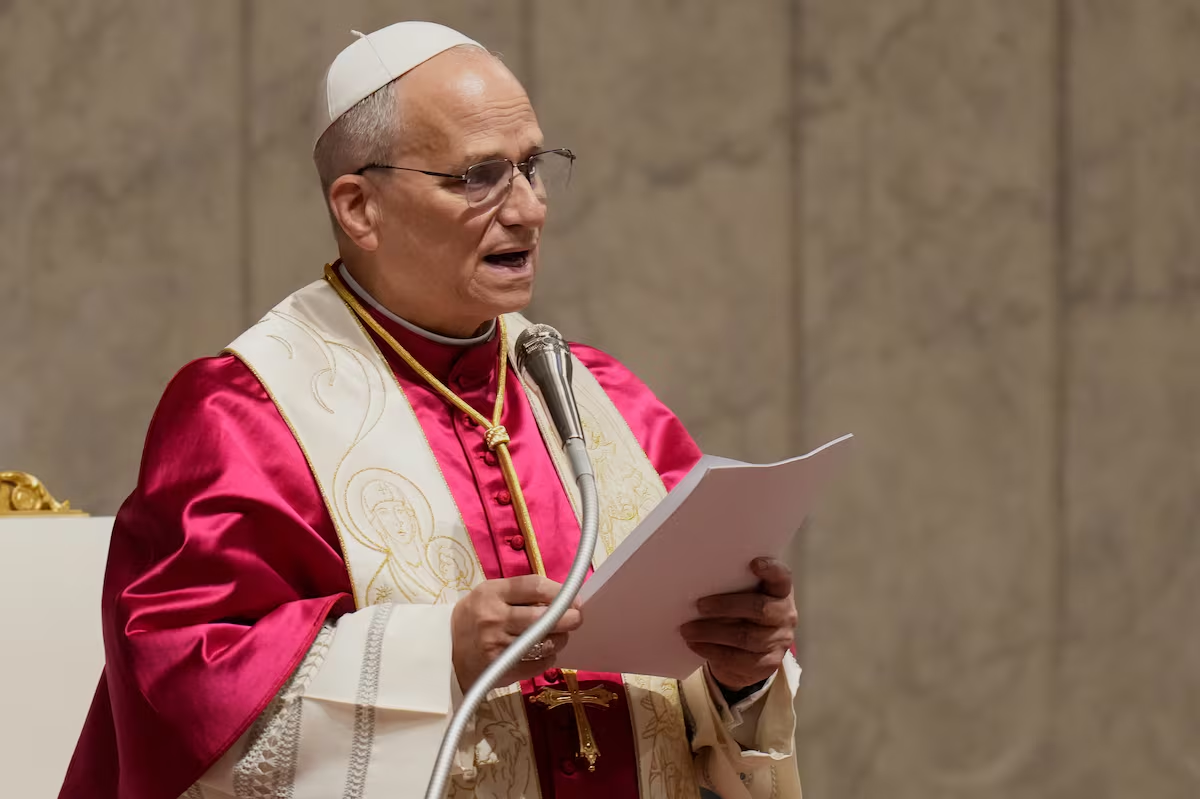
On May 25, 2026, Pope Leo XIV promulgated a sweeping 42,300-word encyclical, Magnifica Humanitas (“Magnificent Humanity” by its translation in English), addressing the profound ethical and societal implications of Artificial Intelligence.
However, as detailed in a May 26 report by The New York Times, the reception within Silicon Valley—the global epicenter of AI development—has been markedly dismissive. The dynamic underscores a growing philosophical and diplomatic rift between the rapid commercial expansion of frontier technologies and international institutions calling for ethical restraint.
Key Strategic Priorities and Observations:
Firstly, articulating the Vatican’s ethical framework. Magnifica Humanitas establishes that while technology is not inherently antagonistic to humanity, it is never neutral; it absorbs the characteristics and biases of those who finance and develop it.
Pope Leo XIV warns against the concentration of technological power among an elite few, asserting that AI must serve the global common good rather than treat human beings as mere “projects to be optimized.” Building upon these principles, the second observation concerns Silicon Valley’s pragmatic resistance.
The New York Times highlights that despite the Vatican’s immense moral authority, leading figures in the AI sector are largely bypassing the Pope’s warnings. The overarching sentiment in the technological hub reflects a prioritization of commercial viability, shareholder incentives, and geopolitical competition over the ethical safeguards proposed by the Church.
Thirdly, navigating a fractured dialogue. While a minority of industry leaders—such as Anthropic co-founder Chris Olah—have publicly welcomed the encyclical as a necessary outside critique, the broader consensus remains detached. Analysts note a burgeoning tension between the tech industry’s utilitarian approach to AI and the Church’s anthropocentric doctrine, creating a complex friction point for policymakers.
Finally, assessing the implications for global governance. The dismissal of Magnifica Humanitas by key technologists signals a significant challenge for international regulators and diplomats. It suggests that moral and religious imperatives, even those issued by the leadership of 1.4 billion Catholics, face severe headwinds when confronted with the immense financial incentives driving artificial intelligence.
Strategic Outlook:
The muted and dismissive reaction from Silicon Valley to Magnifica Humanitas illustrates the difficulty of imposing traditional ethical frameworks on frontier technologies.
For diplomatic and regulatory bodies, this friction indicates that future AI governance may rely less on voluntary moral consensus and more on binding, pragmatic regulatory frameworks to ensure that technological advancement aligns with the broader interests of humanity.
Reference: Metz, C. (2026, May 26). At the epicenter of A.I., Pope Leo’s warnings are dismissed. The New York Times. https://www.nytimes.com/2026/05/26/technology/pope-leo-ai-religion.html