
The Fed Moves from Caution to Action
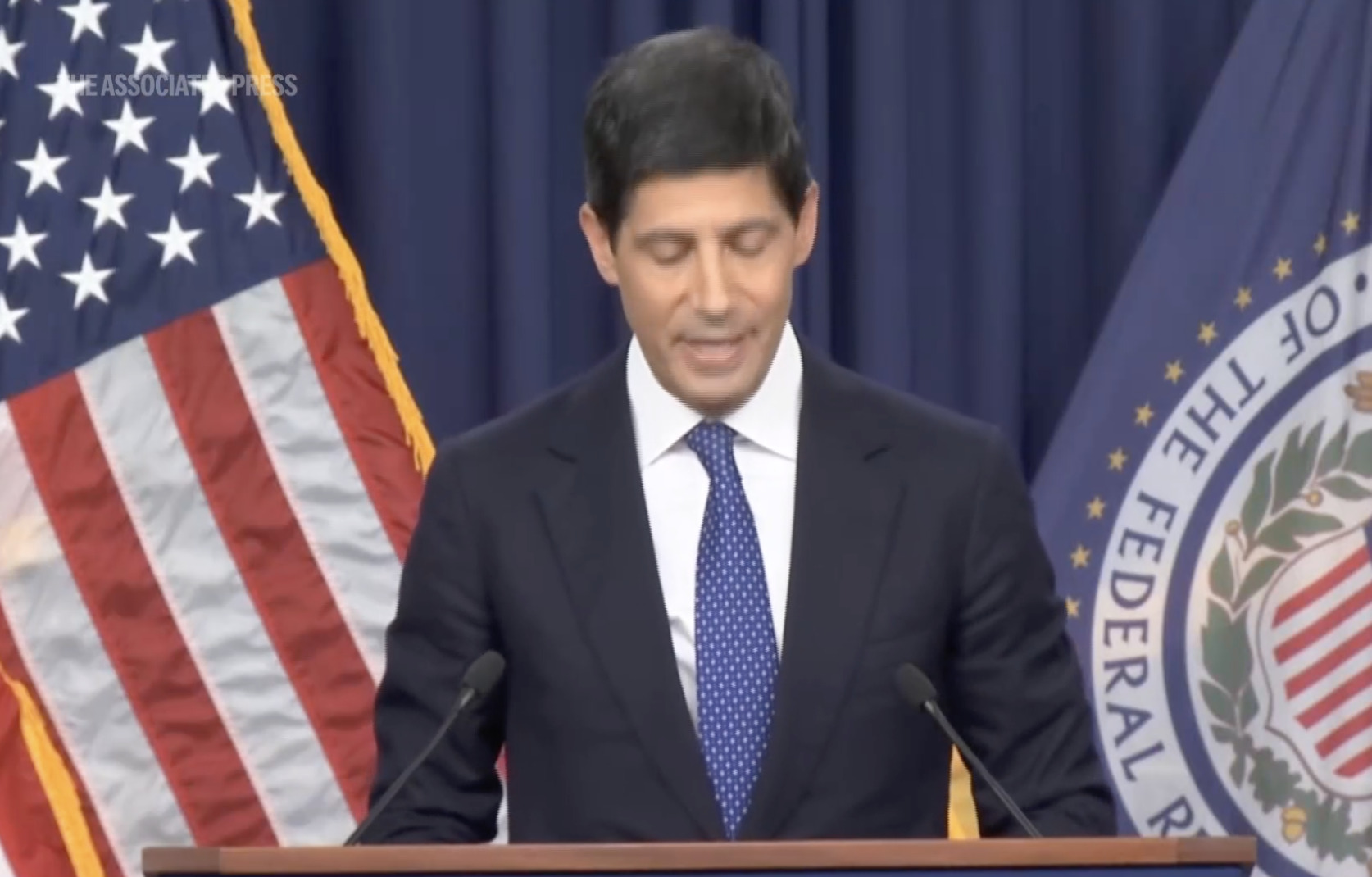
Six weeks after a divided Federal Reserve kept rates unchanged, its policy committee unanimously approved an increase. Nearly all officials also indicated that another rise later this year would probably be appropriate.
Renewed fighting in the Middle East has pushed gasoline prices higher while economic growth remains healthy and inflation stays persistent. Together, those conditions moved policymakers away from a wait-and-see position.
The decision may not immediately produce much higher mortgage or other long-term borrowing costs. Financial markets appeared reassured by the Fed’s commitment to inflation, and the 10-year Treasury yield declined slightly afterward.
Federal officials directly control short-term interest rates to slow borrowing and spending. Their decisions can influence mortgages and other longer-term costs, but the central bank does not set those rates directly.
Energy Inflation No Longer Looks Temporary
For months, policymakers considered whether higher oil and gasoline prices from the Iran war would fade without intervention. After seven months of conflict, they are no longer relying on that outcome.
The Fed’s July statement partly attributed inflation to supply shocks in sectors such as energy. Its latest statement removed that language and instead emphasized resilient consumer and business spending.
Gasoline reached $4.44 per gallon, up 38 cents in one month, while diesel climbed to a record $6.40. More expensive diesel could increase shipping costs across many categories of goods.
Kevin Warsh argued that stronger hiring, private-sector earnings and business investment show the economy can absorb higher rates. Still, inflation has outpaced average income growth for five consecutive months.
Borrowing Costs Have Broader Causes
Donald Trump accused the Fed of acting politically and demanded much lower rates. Economists responded that several forces beyond monetary policy have pushed longer-term borrowing costs upward.
The 10-year Treasury yield exceeded 5% for the first time since 2023, while 30-year mortgage rates moved close to 7%. Investors are demanding higher returns because inflation reduces the future value of bond payments.
Technology companies have also issued hundreds of billions of dollars in bonds to finance artificial intelligence data centers. Stronger economic growth further increases demand for credit as businesses borrow to expand.
Many economists also point to federal debt above $40 trillion as a source of higher rates. Warsh did not mention that debt or tariffs when explaining the central bank’s decision.
References
Rugaber, C. (2026, September 17). Why the Federal Reserve is lifting rates now, and what it means. AP News. https://apnews.com/article/inflation-warsh-trump-federal-reserve-cbf10411b50040aed24ec5a28e4c0c5a