
Broadening the Definition of Corruption
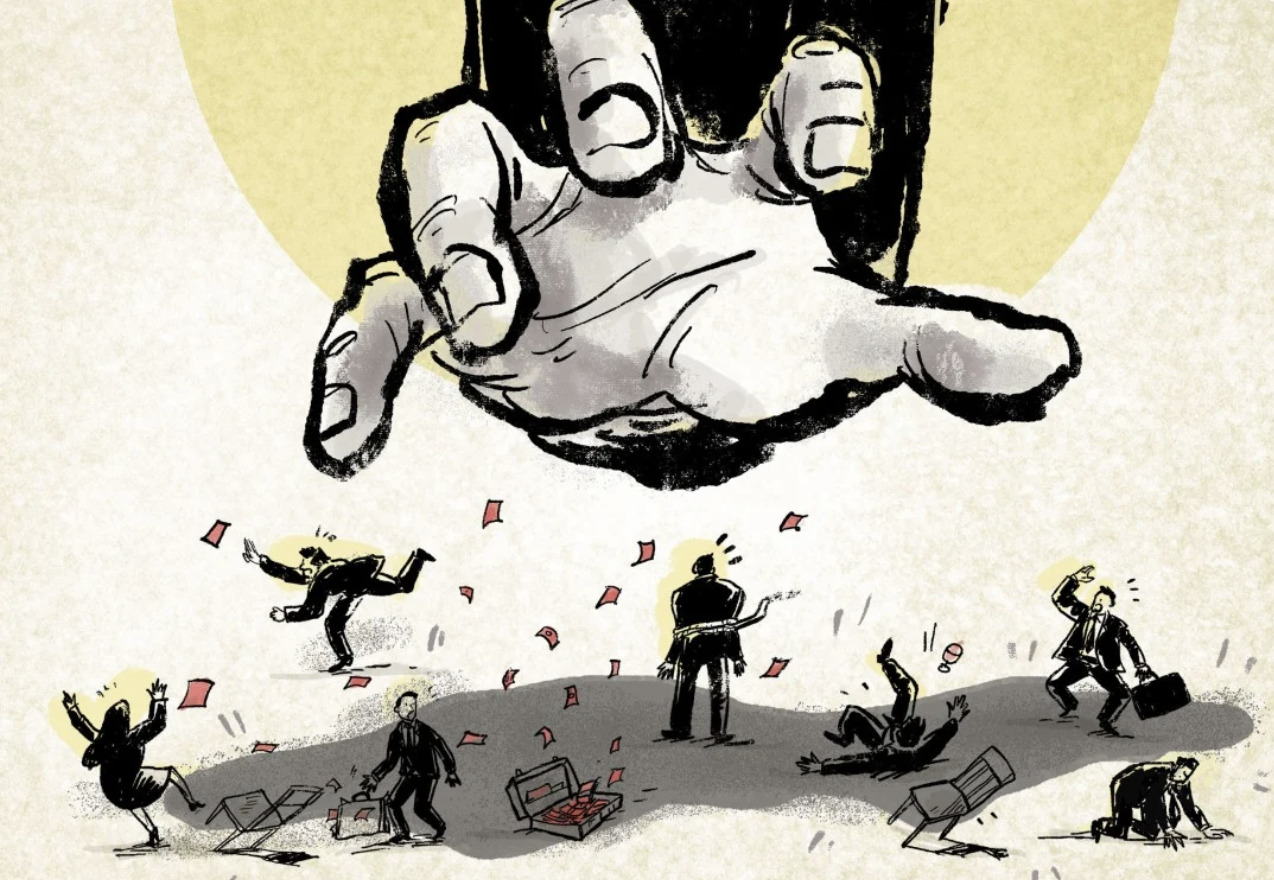
Currently, President Xi Jinping’s anti-graft campaign has expanded significantly beyond economic crimes to fundamentally reshape how the Chinese bureaucracy is run. Consequently, the campaign increasingly focuses on how officials use their power, whether they toe the party line, and what they do in their private lives. Even though bribery remains the legal foundation for court cases, political loyalty and strict discipline have become integral to how corruption is defined today. For example, according to a recent analysis of 423 centrally managed cadres, economic corruption and integrity violations accounted for 52.4 percent of allegations from 2013 to 2017. However, this proportion dropped to 46.4 percent in the 2023-2025 period. Ultimately, this shift indicates a much broader definition of corruption rather than a decrease in bribery’s overall importance to investigators.
Political Loyalty and Administrative Conduct
Furthermore, the focus on political security and risk has fluctuated notably during the ongoing campaign. Specifically, cases involving these severe allegations jumped from 18.9 percent in the 2013-2017 period to 64.5 percent between 2018 and 2022, before falling slightly to 59.3 percent recently. Indeed, experts note that the campaign shifted away from addressing broad political alignment toward a much more detailed scrutiny of daily administrative conduct. In addition, allegations of concealing personal matters or resisting official investigations rose dramatically over the past decade. As a result, these specific accusations appeared in a staggering 88.6 percent of cases from 2023 to 2025.
Governance Performance and Personnel Selection
Meanwhile, the campaign increasingly targets overall governance performance and systemic personnel selection. For instance, allegations involving the failure to implement central decisions or the blatant abuse of power rose dramatically from 23.9 percent in the initial period to 73.6 percent by 2025. At the same time, cases involving irregularities in personnel selection or post-retirement misconduct increased from 39 percent to 60 percent. Moreover, across the entire analyzed sample, nearly half of the officials were formally accused of improper family conduct or involvement in family-based corruption. Therefore, the accountability framework now extends a senior official’s direct responsibility to their family, subordinates, and political networks. Moving forward, finding a delicate balance between enforcing strict discipline and incentivizing officials’ performance remains a critical, ongoing task for the central leadership.
Reference
Dang, Y., & Dang, Y. (2026, 28 agosto). In Focus | Xi’s crusade against corruption has gone well beyond economic crime. South China Morning Post. https://www.scmp.com/news/china/politics/article/3365450/xis-crusade-against-corruption-has-gone-well-beyond-economic-crime?share=k%2Fkz3jNFZQhsNW39wXAnVKNT5G0NiP%2BbvyLAlnfZ2tszMQauN%2FarNFix5wuAg7Pak0JMRi1yNP%2FOfy4iKywI4YHVu722Jzkbf7jIeKQRIIs%3D&utm_campaign=social_share