
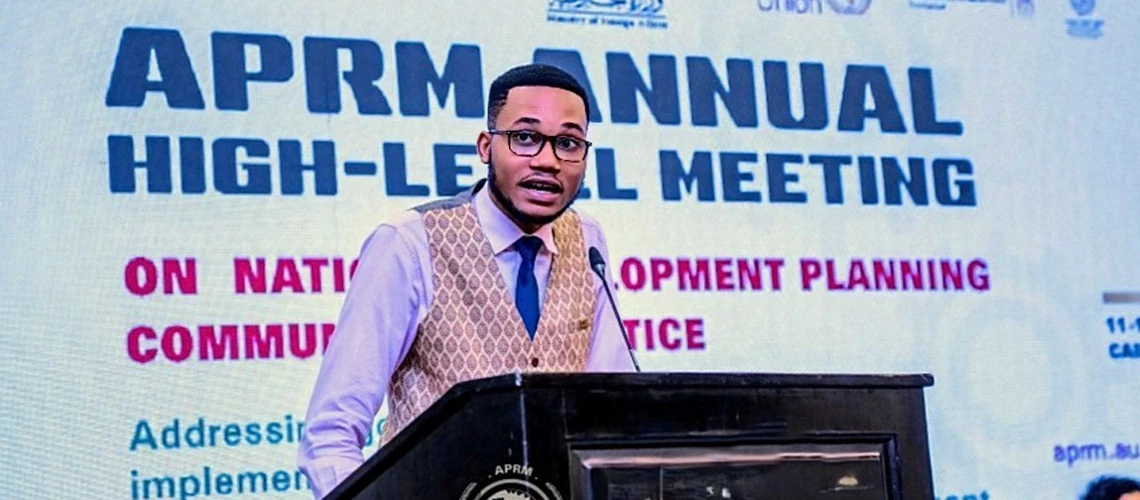
Young people in Africa are emerging as powerful agents of change in the health sector, using innovation, leadership and community engagement to tackle some of the continent’s toughest health challenges. Rather than waiting for solutions to come from above, youth leaders are stepping up to design and implement health initiatives that reflect local realities and priorities. Their energy and perspectives are reshaping how health services are conceived, delivered and evaluated.
Manuel Ntumba, a young health advocate, highlights that young Africans bring unique strengths to health leadership, including creativity, digital fluency and most importantly, willingness to take risks. Youth-led organizations are promoting preventive care, expanding access to health information, and mobilizing communities around issues such as maternal health, mental wellbeing and disease prevention. These efforts show that youth participation strengthens not only specific programs but the health system as a whole.
However, the path forward is not without obstacles. Young people often face barriers such as limited funding, insufficient policy support and also exclusion from formal decision-making spaces, which is particularly concerning because it limits youth influence over health policy. Addressing these challenges will require intentional inclusion of youth voices in governance and greater collaboration between young leaders and established institutions.
By supporting youth leadership, African countries can build health systems that are more responsive and equitable. When young people are empowered to lead, they not only contribute practical solutions but they help shape a future of health that reflects the hopes and needs of their communities and the future generations.
Reference: World Bank. (2026, March 5). Youth leading the future of health in Africa: Conversation with Manuel Ntumba. World Bank Blogs. https://blogs.worldbank.org/en/youth-transforming-africa/youth-leading-the-future-of-health-in-africa-conversation-with-manuel-ntumba