
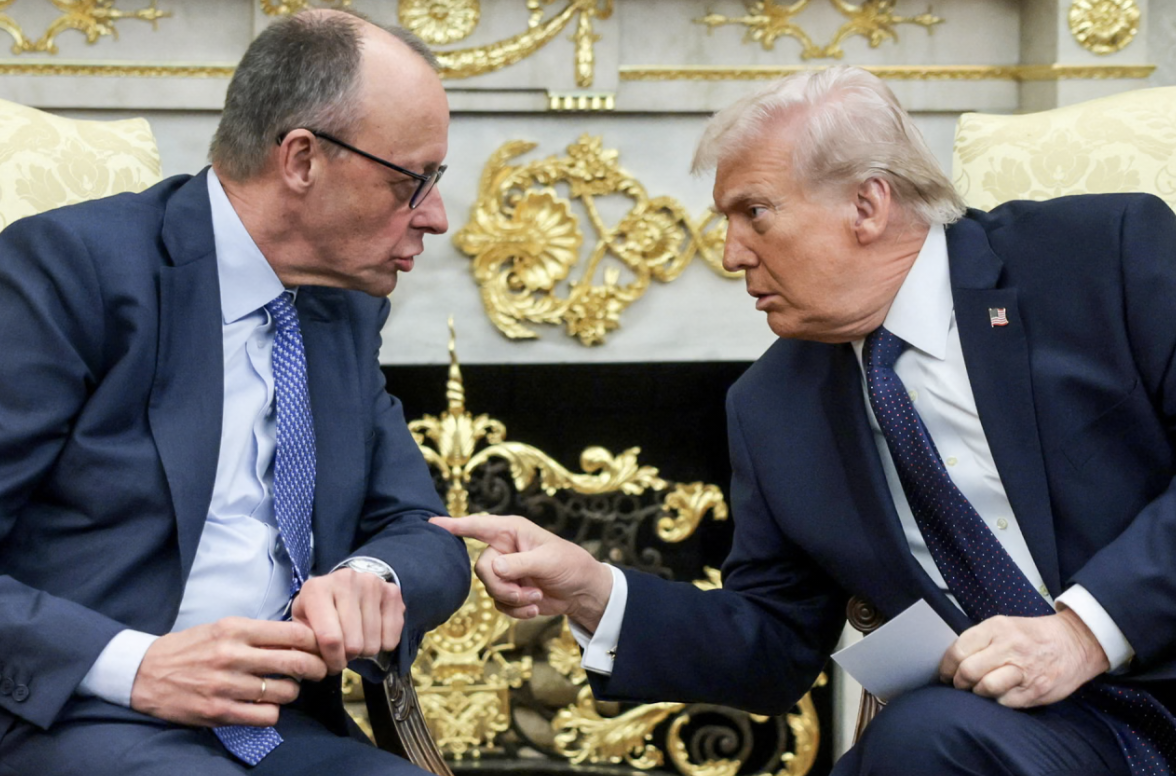
Strategic Surprise in Europe
Initially, the rapid U.S. – Israeli strike against Iran caught most European governments off guard, leaving them uninformed and scrambling to react diplomatically and politically.
Consequently, European leaders confronted a conflict they neither anticipated nor influenced, producing fragmented reactions across the continent.
Limited European Influence
Moreover, European governments possessed little direct leverage over the conflict’s trajectory, reinforcing a reactive rather than proactive policy stance.
Therefore, responses focused primarily on managing diplomatic consequences instead of shaping military outcomes.
Britain’s Balanced Position
Meanwhile, the government of the United Kingdom adopted a cautious transatlantic approach combining criticism of Iranian policies with calls for de-escalation.
Additionally, London emphasized it did not participate in the strikes while allowing defensive support for regional allies and Israel’s security.
France’s Legal Emphasis
In contrast, France stressed international law, warning that unilateral military actions could undermine global stability.
Nevertheless, Paris condemned Iranian retaliation and deployed military assets to protect French forces and interests in the region.
Germany’s Strategic Alignment
Similarly, Germany expressed greater sympathy toward the objectives of the United States and Israel.
However, Berlin simultaneously supported calls for restraint while emphasizing shared Western concerns about Iran’s nuclear ambitions.
Southern Europe’s Criticism
Conversely, leaders in Spain openly condemned the attacks and rejected the use of national bases for operations against Iran.
Likewise, officials in Italy questioned the legality of the strikes despite maintaining political ties with Washington.
Eastern Europe’s Support
Meanwhile, governments in Poland and several Eastern European states offered strong political backing for the military operation.
Thus, regional security concerns and alignment with Washington shaped their supportive stance.
Europe’s Strategic Dilemma
Taken together, these divergent reactions reveal deep divisions within Europe regarding military intervention and the use of force.
At the same time, the episode highlights Europe’s limited geopolitical weight in conflicts largely driven by the United States and regional actors.
Broader Geopolitical Concerns
Furthermore, the conflict intersects with Europe’s primary strategic priority: the war in Ukraine.
Consequently, European leaders worry that Middle Eastern escalation could divert American attention and resources away from European security.
Economic and Energy Risks
Additionally, rising energy prices resulting from the conflict could strengthen Russia by increasing export revenues used to finance its war effort.
Therefore, the conflict simultaneously offers strategic opportunities and economic risks for Europe.
Europe’s Long-Term Strategy
Nevertheless, European governments continue pursuing greater geopolitical autonomy through rising defense spending and diversified trade partnerships.
However, these transformations require years, leaving Europe temporarily dependent on cautious diplomacy and limited engagement.
Short-Term Pragmatism
Ultimately, Europe’s most realistic approach remains maintaining distance from a war it neither initiated nor controls.
Thus, policymakers prioritize protecting European interests while avoiding direct confrontation with the United States.
Source:
Matthijs, M. (2026, marzo 6). Europe’s disjointed response to the U.S.–Israeli war with Iran. Council on Foreign Relations. https://www.cfr.org/articles/europes-disjointed-response-to-the-u-s-israeli-war-with-iran